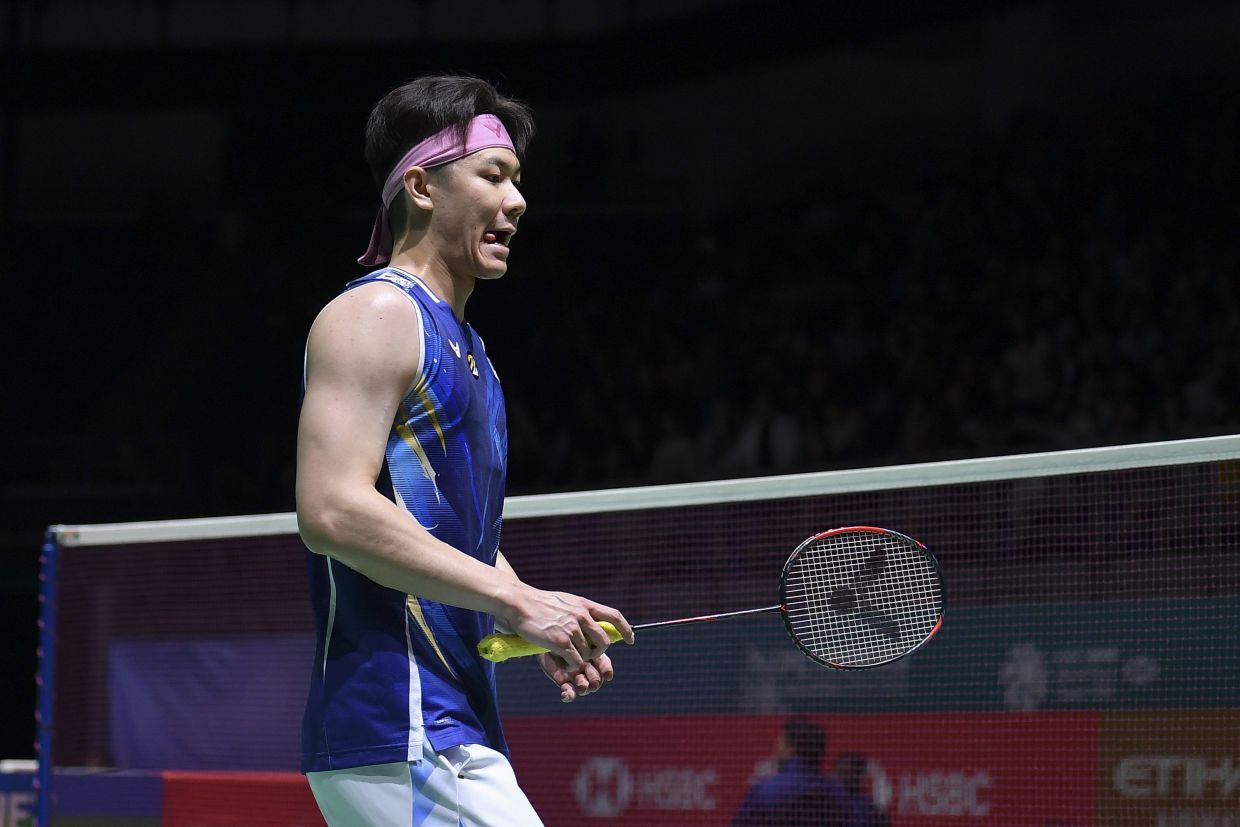
Lee Zii Jia has emphatically rejected any suggestion of stepping away from professional badminton, declaring his determination to continue competing despite enduring significant personal and athletic setbacks over the past twelve months. The 28-year-old Kedah-born shuttler, who earned Olympic bronze, acknowledged that he has navigated through what he described as one of the most difficult chapters of his sporting journey, yet remains resolute in his commitment to the sport that has defined his career.
In an emotional message shared on social media, Zii Jia expressed profound gratitude toward the supporters and friends who maintained faith in him during periods when his own self-belief wavered. He revealed that there were stretches when he struggled to accept his own behaviour and struggled to understand why those around him continued offering encouragement and backing despite his diminished performances. The transparency of his reflection underscores the psychological toll that sustained underperformance and injury can exact on even the most accomplished athletes.
The shuttler's candid acknowledgment that there were moments when he questioned his own worthiness of support reflects a deeper understanding about athletic identity and resilience. Rather than focusing exclusively on results, Zii Jia reframed his relationship with badminton around the value of persistent effort itself, suggesting that meaningful support extends beyond trophies and tournament victories. This philosophical shift indicates maturation in how he views both his role as a competitor and the loyalty demonstrated by his fanbase.
Zii Jia's struggles have been multifaceted, encompassing physical injuries, inconsistent tournament results, and psychological challenges that mounted following his departure from Malaysia's national badminton program in 2022. The transition away from the structured national setup appeared to coincide with a period of instability, during which the shuttler found himself unable to articulate his challenges to people within his immediate circle. This isolation likely compounded his difficulties, creating a cycle where poor form bred further self-doubt and disconnection.
A significant turning point came when Zii Jia summoned the courage to vocalize his struggles and assume greater control over his professional trajectory. He explicitly linked his recovery to establishing autonomy over fundamental aspects of his career and personal environment. By taking ownership of both his successes and failures, rather than attributing them to external circumstances, he has positioned himself to extract learning from setbacks and build genuine confidence rooted in agency rather than circumstance.
The shuttler's recent performance at the Canadian Open provides a glimmer of encouragement, as he reached the semi-finals before succumbing to Japan's Koki Watanabe. This result, while not a tournament victory, represents his strongest showing of the calendar year and suggests that his rehabilitation is gradually yielding tangible improvements. For an athlete working through an extended slump, semi-final progression at a major tournament constitutes a meaningful waypoint on the comeback trajectory.
Looking ahead, Zii Jia faces a crucial test of his resolve with the Taiwan Open scheduled from July 28 to August 2, followed immediately by the Korean Masters from August 4 to 9. These back-to-back tournaments will demand both physical conditioning and mental fortitude, serving as a barometer for whether the internal work he has undertaken is translating into sustained competitive competency. The compressed schedule also reflects the traditional rhythm of the international badminton calendar, where elite players often string consecutive events to gather match practice and momentum.
For Malaysian badminton enthusiasts, Zii Jia's situation carries particular resonance given the nation's storied history in the sport and the expectations placed upon its representatives. The country has produced multiple world champions and Olympic medallists, creating a cultural environment where athletic achievement commands widespread attention and support. Zii Jia's determination to resurge amid adversity resonates with broader narratives about Malaysian sports persistence and the nation's capacity to nurture world-class competitors.
His willingness to publicly acknowledge mental and emotional struggles also carries significance beyond his individual case. In Malaysian sporting culture, where discussions of psychological wellbeing have historically been less prominent than in Western athletic contexts, Zii Jia's openness about self-doubt and the importance of supportive relationships contributes to shifting conversations around athlete mental health. His message implicitly validates the legitimacy of non-physical challenges in sport and normalizes seeking support when battling such obstacles.
The shuttler's stated commitment to focus exclusively on court performance and personal restoration suggests a deliberate narrowing of his priorities. Rather than dispersing energy across multiple domains, he appears to be implementing a simplified approach centred on badminton excellence and foundational wellbeing. This strategic minimization of distractions aligns with established psychological principles about returning to form following extended periods of underperformance.
Zii Jia's declaration that he will persevere until he genuinely cannot compete anymore provides a definitive answer to speculation about his future in the sport. By establishing this boundary condition for his continued participation, he has essentially committed to extracting everything possible from his remaining competitive years. Whether this resolve translates into tournament victories and ranking improvements remains uncertain, but the psychological reframing evident in his recent statements suggests he has reconstructed his relationship with badminton on firmer emotional foundations than existed during his most difficult periods.
As Malaysian badminton observers monitor his progress through upcoming tournaments, Zii Jia's journey increasingly represents not merely an individual athlete's comeback bid, but a case study in how sporting professionals navigate extended adversity, mental resilience, and the path toward meaningful recovery. His next months will determine whether his vow to continue translates into sustained competitive improvement.

