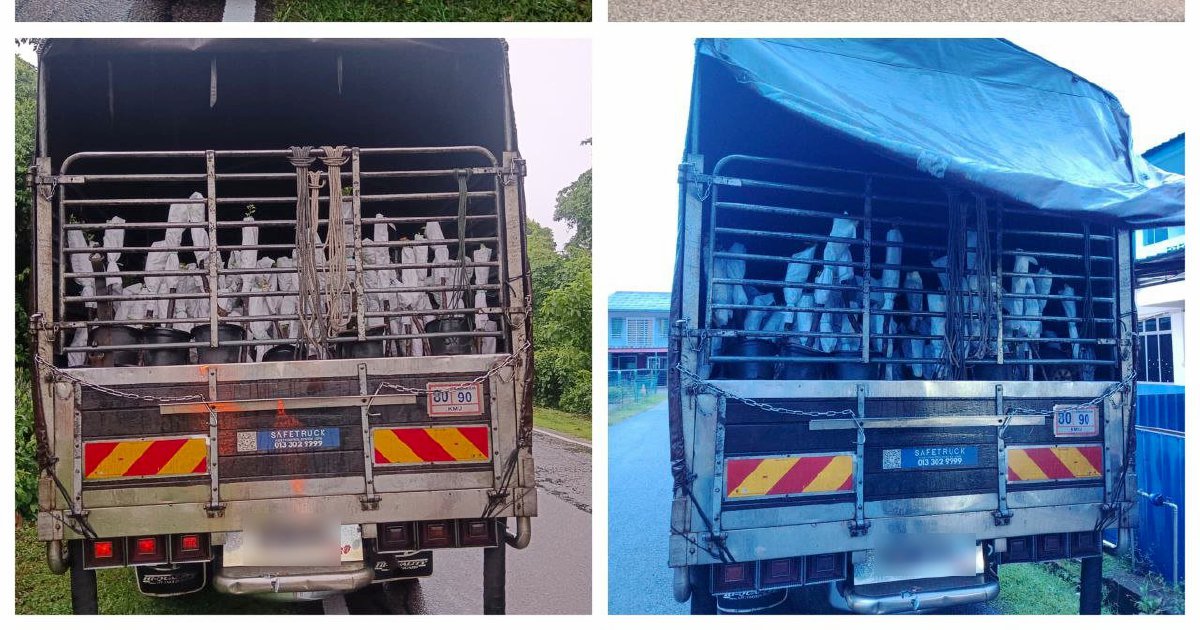
Two men have been arrested at Rantau Panjang after law enforcement officers discovered a cargo of illicit plant saplings aboard their vehicle, with the confiscated horticultural materials estimated to be worth RM85,000. The operation, which unfolded during routine border security checks yesterday, revealed that the pair had been attempting to transport the botanical goods covertly from Thailand into Malaysia, circumventing proper regulatory channels and import documentation requirements.
The apprehension underscores the persistent challenge of cross-border plant smuggling operations that continue to plague the Thailand-Malaysia frontier. Such activities have become increasingly sophisticated, with syndicates exploiting the porous nature of informal border crossing points and the relatively high profit margins associated with rare or commercially valuable plant species. The seizure at Rantau Panjang, a key entry point in Kelantan state, demonstrates that enforcement agencies remain vigilant in intercepting contraband before it enters the domestic market.
Plant smuggling operations typically target species with ornamental or medicinal value that command premium prices among collectors and commercial nurseries. The RM85,000 valuation suggests the cargo contained specimens of considerable commercial appeal, potentially including rare orchids, succulents, or traditional medicinal plants that are subject to strict import controls. Such species often bypass biosecurity assessments designed to prevent the introduction of invasive pests, diseases, or ecologically harmful organisms that could damage Malaysia's agricultural and natural ecosystems.
The enforcement action reflects Malaysia's commitment to tightening border security and protecting its agricultural sector from illicit trade. The Department of Agriculture and relevant customs authorities have intensified operations along major smuggling corridors, particularly targeting routes that facilitate the movement of restricted biological materials. The interception of this shipment represents one of many similar cases detected across the country's entry points, highlighting the scale of the smuggling problem.
From a regional perspective, plant smuggling represents a significant component of broader wildlife and agricultural contraband networks operating throughout Southeast Asia. Criminal syndicates often use the same logistical infrastructure and corruption networks to move illicit goods across borders, making plant smuggling part of a larger ecosystem of illegal trade. The involvement of transport workers suggests these operations may be linked to more extensive smuggling organizations with established supply chains and distribution networks within Malaysia.
The arrest of both the lorry driver and attendant indicates that authorities are pursuing accountability at multiple levels of the smuggling chain. These individuals, whether acting as independent operators or components of larger organized networks, play critical roles in moving contraband goods through checkpoints and into distribution channels. Their detention may yield intelligence about supplier contacts, intended destination markets, and the scope of ongoing smuggling activities in the region.
For the horticultural and nursery industry in Malaysia, such smuggling operations represent unfair competition and potential threats to legitimate plant traders. Illegal imports undercut prices for lawfully sourced specimens, damage the reputation of domestic nurseries, and potentially introduce disease or pest vectors that could compromise crop security. The authorities' enforcement efforts help maintain market integrity and protect the livelihoods of legal operators who comply with biosecurity and import requirements.
Biosecurity remains a paramount concern in plant importation, as unregulated botanical materials can introduce agricultural pathogens, invasive insects, or contaminated soil that devastates local farming communities. Thailand's horticultural regions produce enormous quantities of plants annually, and the relatively short distance between Thai growing areas and Malaysian borders creates significant smuggling incentives. Without stringent enforcement, such materials could enter Malaysia's agricultural supply chain with minimal vetting.
The case also highlights the ongoing resource requirements for border enforcement agencies tasked with inspecting vast volumes of commercial traffic. Rantau Panjang, like other frontier checkpoints, handles thousands of vehicles daily, making comprehensive inspection of all cargo logistically challenging. The successful detection of this shipment required either targeted intelligence, random thorough inspection, or tip-offs from vigilant officers—all components of effective enforcement strategies.
Going forward, authorities may leverage this investigation to develop deeper insight into plant smuggling networks operating along the Thailand-Malaysia border. Intelligence gathered from detained suspects could identify higher-level operators, supply sources in Thailand, and Malaysian distribution networks. Such information becomes valuable for conducting broader dismantling operations that target not just individual shipments but entire criminal enterprises.
The consequences for the arrested driver and attendant likely include charges under Malaysia's customs and agriculture legislation, with potential penalties including fines and imprisonment depending on the prosecution's evidence and judicial proceedings. These legal consequences serve as deterrents for others considering participation in smuggling activities, though the profitability of the trade suggests that enforcement alone may have limited impact without simultaneous efforts to address demand for illegally imported specimens within domestic markets.
Malaysia's position as both a transit country and destination market for smuggled goods requires comprehensive approaches combining border enforcement, inter-agency coordination, and regional cooperation. Collaboration with Thai authorities on combating smuggling at source, along with enhanced penalties and detection capabilities, represents the multi-pronged strategy necessary to address this persistent challenge effectively.

