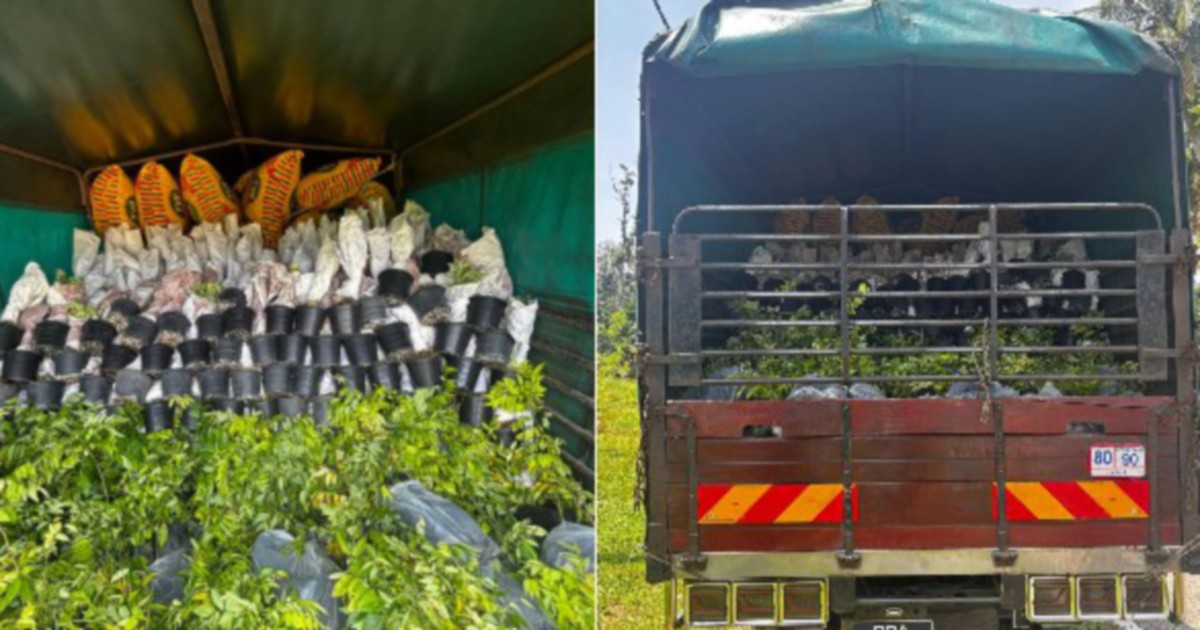
Authorities at the Malaysia-Thailand border have arrested a lorry driver in connection with a significant smuggling operation involving ornamental plant saplings. The detention took place at Kampung Padang Licin in Rantau Panjang following the discovery of approximately 6,000 saplings estimated to be worth RM200,000, which enforcement officials believe originated from Thailand and were destined for illicit distribution within Malaysia.
The seizure represents a notable operation in the ongoing efforts by Malaysian border agencies to combat illegal cross-border trade in plant materials. Ornamental plants and saplings have increasingly become targets for smugglers seeking to circumvent customs duties, agricultural regulations, and quarantine requirements designed to protect Malaysia's agricultural sector. The interception at Kampung Padang Licin underscores the vulnerability of land borders to such contraband activities, even as traffic intensifies between Malaysia and neighbouring Thailand.
The enforcement action highlights a broader pattern of smuggling activities centring on horticultural products. Malaysia's thriving ornamental plant industry, valued at millions of ringgit annually, has made the country an attractive destination for trafficked saplings and plants from across the region. These materials are often re-exported or sold domestically through networks that bypass proper registration and health certifications, creating potential risks for the local horticulture sector.
Bordereau controls at Rantau Panjang, one of the busiest land crossings between the two nations, have been strengthened in recent years to intercept such smuggling operations. However, the sheer volume of daily traffic across the checkpoint—comprising both commercial and private vehicles—presents persistent challenges for customs and agricultural inspection teams. The successful identification and seizure of this particular consignment demonstrates the effectiveness of targeted enforcement operations when resources are deployed strategically.
The driver's arrest triggers investigation protocols that typically examine the supply chain behind such operations. Authorities will likely seek to establish whether this represents an isolated incident or part of a larger organised smuggling network. Such investigations often reveal connections to nurseries, agricultural traders, and retail outlets within Malaysia that serve as distribution points for contraband plant materials. Understanding these networks is crucial for disrupting the economic incentives that drive cross-border horticultural smuggling.
Quarantine and phytosanitary regulations exist to protect Malaysia's agricultural interests and prevent the introduction of pests and diseases that could devastate local crop production. Smuggled saplings bypass these protective measures entirely, potentially harbouring insects, fungi, or plant pathogens that could spread to legitimate agricultural operations. The government's commitment to enforcing these standards remains a cornerstone of its agricultural security strategy, though the economic pressures driving smuggling persist.
The scale of this seizure—RM200,000 in retail value—indicates the substantial profit margins available to those engaged in ornamental plant smuggling. These margins justify the operational costs and risks associated with illegal border crossings and help explain why such activities remain prevalent despite enforcement efforts. Traffickers often operate on thin margins across multiple shipments, with occasional seizures absorbed as a cost of doing business.
International cooperation between Malaysian and Thai authorities continues to play an important role in combating cross-border smuggling generally. While land borders present particular challenges due to their porosity and the volume of daily movement, joint intelligence-sharing and coordinated operations have yielded results in disrupting organised trafficking networks. This particular interception may represent the fruits of such collaborative efforts or the outcome of routine border screening procedures.
For Malaysia's legitimate nursery and ornamental plant industry, such enforcement actions carry positive implications. By removing contraband saplings from circulation, authorities reduce unfair competition faced by compliant operators who invest in proper quarantine, certification, and regulatory compliance. These compliance costs place legitimate traders at a disadvantage when competing against smugglers offering cheaper, unvetted products to consumers and commercial buyers.
The incident also reflects growing awareness among enforcement agencies regarding the diversity of smuggling activities at international borders. While attention often focuses on controlled substances and high-value electronics, plant-based contraband represents a significant and often underestimated problem. This seizure adds to the evidence base supporting resource allocation toward agricultural enforcement at land crossings with high volumes of horticultural traffic.
Moving forward, the case will likely proceed through Malaysia's courts, with sentencing outcomes serving as deterrents to others engaged in similar operations. The maximum penalties for smuggling and customs violations can be substantial, though enforcement inconsistencies across different cases sometimes limit their deterrent effect. Public awareness of such prosecutions nonetheless reinforces the message that organised horticultural smuggling carries serious legal consequences.
The broader context suggests that ornamental plant smuggling will continue unless underlying economic disparities and lax enforcement in source regions are addressed comprehensively. Regional cooperation to harmonise agricultural standards, strengthen quarantine protocols, and coordinate enforcement across the Malaysia-Thailand border remains essential to managing this persistent challenge.

