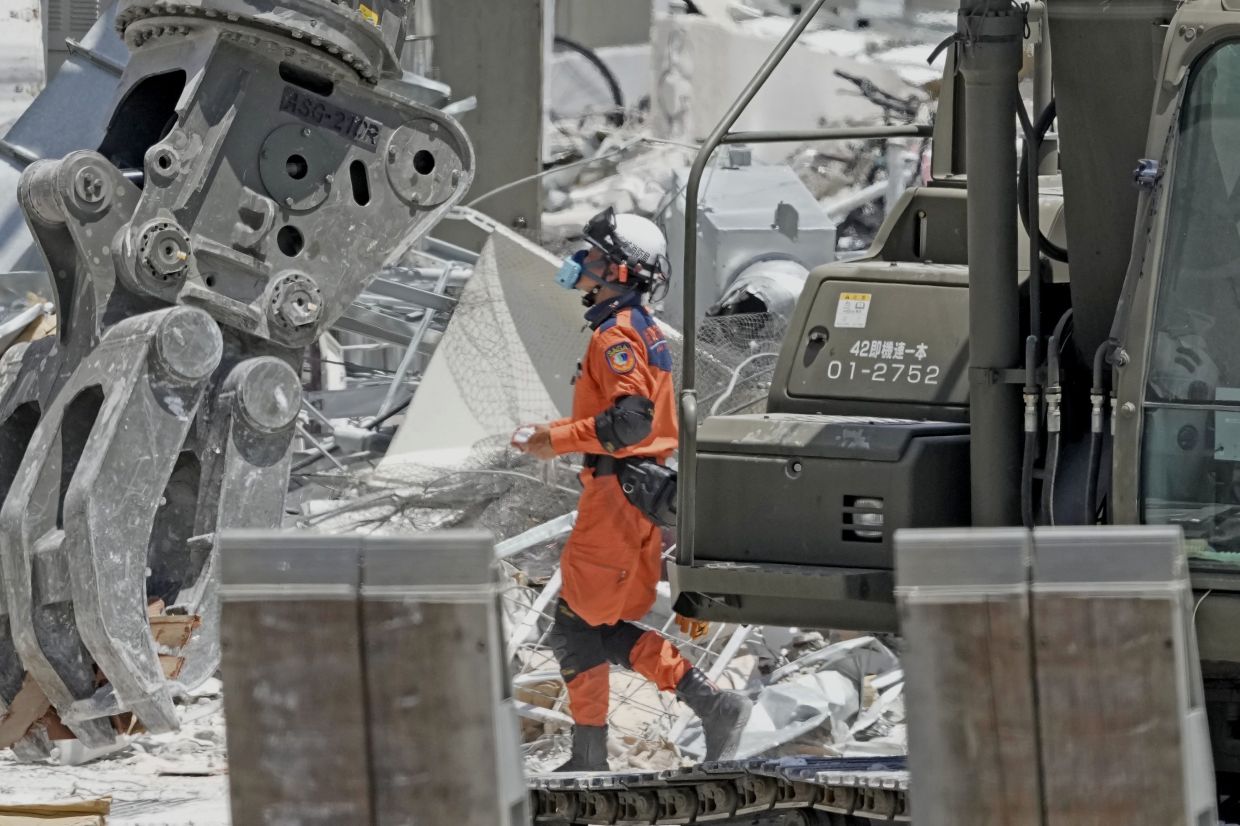
Japan's Economy, Trade and Industry Ministry concluded on August 5 that a liquefied petroleum gas leak most likely caused a devastating explosion at Aeon Mall Kumamoto in Japan's Kumamoto Prefecture. The blast occurred on July 28, roughly 80 minutes following a significant earthquake that struck the region, and claimed the lives of three retail workers. The determination, while pointing to a clear culprit, underscores the complex safety vulnerabilities that can emerge in large commercial complexes when natural disasters disrupt infrastructure systems.
The explosion ravaged the central section of the mall's second floor on the south side, creating a scene of destruction that required extensive emergency response efforts. Kumamoto prefectural police and fire authorities detected the unmistakable smell of gas throughout the building during their initial investigation, providing crucial evidence that guided officials toward identifying the fuel source. The timing of the blast—more than an hour after the earthquake ceased—suggested that the disaster's aftermath created the dangerous conditions rather than the seismic activity itself triggering an immediate rupture.
Liquefied petroleum gas served multiple operational functions within the shopping complex. The Aeon Mall facility relied on LPG supplied to restaurants and food service outlets, primarily concentrated on the first floor's north section and the second floor's east-side food court, where it powered cooking equipment and water heating systems. Additionally, the gas provided energy for some of the mall's air conditioning infrastructure, demonstrating how essential this utility had become to the facility's daily operations and tenant businesses.
The mall's LPG infrastructure comprised a substantial underground storage tank holding 9,367 kilograms of the pressurised gas. From this primary tank, fuel entered the building through subterranean piping before distributing throughout the structure via an extensive network of pipes embedded within floors and walls. This complex delivery system, typical of large commercial properties across Japan and Southeast Asia, creates multiple potential points of vulnerability if seismic activity or structural damage compromises pipe integrity.
What emerged as particularly significant was the apparent paradox surrounding the storage tank's condition. According to sources familiar with the investigation, the quantity of LPG remaining in the main tank was approximately normal, suggesting that the storage facility itself had not ruptured or leaked substantially. Instead, investigators focused their analysis on the possibility that the earthquake had damaged the distribution pipes running through the building's interior, allowing residual gas to escape from these smaller conduits.
The accumulation theory proved compelling to investigators examining the sequence of events. If pipes throughout the building developed micro-fractures or disconnections during the earthquake's shaking, escaping gas could have dispersed into enclosed wall cavities, hollow spaces, and internal passages, creating an invisible pocket of highly flammable vapour. Over the course of 80 minutes, such accumulation could reach explosive concentrations, particularly in poorly ventilated areas. Any ignition source—whether from electrical equipment, sparks, or other heat sources already present in a functioning shopping mall—could then trigger the catastrophic explosion that erupted.
The Ministry's ongoing investigation aimed to determine precisely which section of the piping network had failed and what specific mechanism caused the gas to escape. This forensic effort carried implications extending far beyond Kumamoto, as Japan and other earthquake-prone nations needed to reassess the seismic resilience of utility infrastructure in commercial buildings. The findings would likely influence future building codes and safety standards, particularly regarding the placement and protection of gas distribution systems in large structures.
For Malaysian readers, the incident provides sobering perspective on risks inherent in modern shopping mall operations. Many Malaysian commercial complexes, particularly in Kuala Lumpur, Penang, and Johor Bahru, similarly employ LPG systems for food courts, restaurants, and climate control. While Malaysia's seismic risk differs markedly from Japan's, the underlying principle remains valid: utility infrastructure in large buildings requires robust protection against unforeseen structural stress.
The Kumamoto explosion also highlighted the importance of building maintenance protocols and regular safety inspections. The 80-minute delay between the earthquake and the blast suggested that initial damage might not have been immediately apparent, yet gas continued leaking into the structure. Enhanced detection systems, including sensitive gas sensors and automated ventilation protocols that activate following seismic events, could potentially prevent similar tragedies.
Aeon, the Japanese retail giant operating the affected mall, faced significant scrutiny regarding its maintenance and safety practices. The company acknowledged the extent of LPG usage throughout the facility, but questions emerged about whether earthquake-response protocols had been adequate. For Aeon's operations across Southeast Asia, including Malaysia, the Kumamoto incident will likely prompt comprehensive safety audits and infrastructure upgrades.
The three employees who perished in the blast represented the human cost of infrastructure vulnerability. Their deaths sparked broader conversations about workplace safety in retail environments and the responsibilities of building owners and operators to anticipate and prevent disaster scenarios. Japanese labour advocates called for strengthened regulations requiring more frequent inspections of gas systems in commercial properties.
Looking forward, the Ministry's final report on the Kumamoto mall explosion was expected to recommend enhanced seismic resilience standards for LPG distribution networks in high-occupancy buildings. These recommendations would likely influence construction practices throughout Japan and potentially inform safety discussions in other earthquake-prone regions, including the Philippines, Indonesia, and even more active fault zones in Malaysia.

