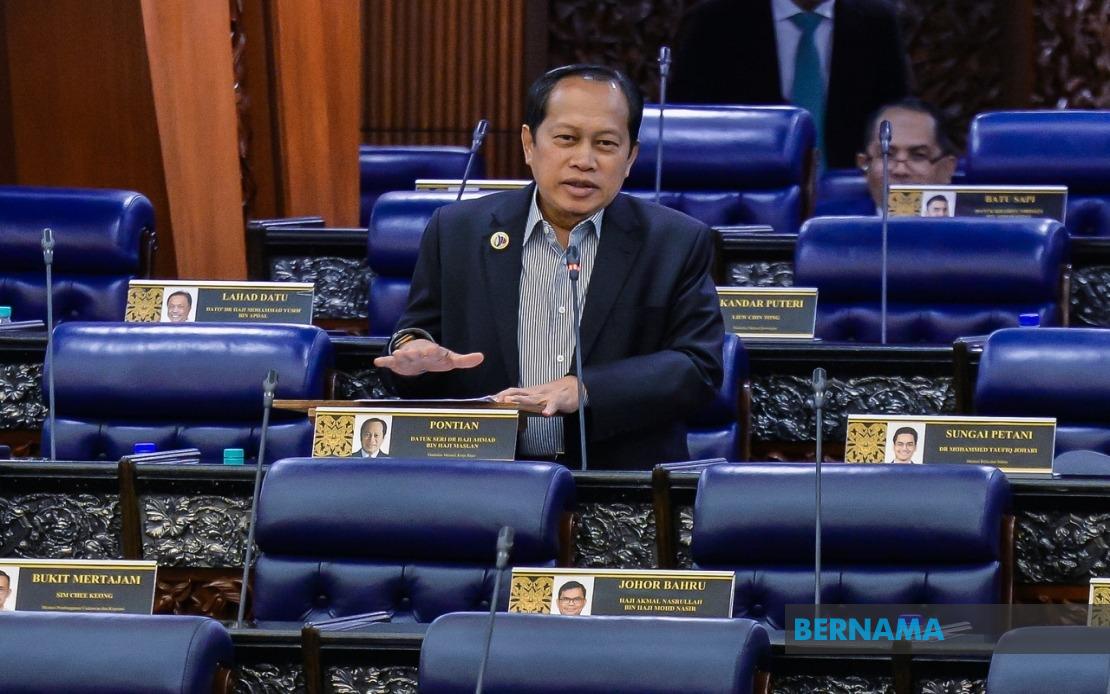
The Malaysian government has opted to develop the East Coast Expressway Phase 3 through a public-private partnership arrangement rather than direct state funding, citing fiscal pressures that have constrained federal finances. Deputy Works Minister Datuk Seri Dr Ahmad Maslan announced the decision in Parliament, explaining that the PPP model would transfer the full development burden to private sector bidders selected through a competitive Request for Proposal process. This approach represents a pragmatic response to the government's tightening budget situation, allowing critical infrastructure to proceed without adding to the public debt burden.
The 122-kilometre expressway will connect Kampung Gemuruh in Kuala Terengganu to Tunjung in Kota Bharu, configured as a dual two-lane carriageway with five designated interchange points. A preliminary study conducted in 2022 placed the total development cost at RM9.8 billion, a substantial figure that would have placed significant strain on government coffers if funded through conventional budgetary allocation. By shifting this expense to private partners who will operate the expressway under concession terms, the government avoids immediate capital expenditure while still delivering the infrastructure project.
The decision to pursue PPP development reflects a broader pattern of infrastructure financing in Southeast Asia, where governments increasingly leverage private capital to meet transportation demands. This model has become particularly attractive for toll-based expressways, where operational revenue can service debt and provide returns for private investors. For Malaysia, which has successfully implemented similar arrangements on other major highways, the PPP framework offers a tested pathway to completing critical regional links without exhausting public resources.
Ahmad emphasized that congestion on the East Coast corridor currently manifests primarily during peak travel periods such as Hari Raya and school holidays, suggesting that while demand exists, it may not yet justify full government funding commitments. However, he positioned LPT3 within a broader transport network transformation that will reshape how East Coast residents access Klang Valley destinations and other regions. The expressway would function as a third alternative for travellers, complementing the imminent completion of the East Coast Rail Link and two proposed expressway projects—the Kota Bharu-Kuala Krai Expressway and Lingkaran Tengah Utama Expressway.
The interplay between these transport initiatives suggests strategic infrastructure planning aimed at decongesting the East Coast corridor through modal diversity. Rather than relying solely on road expansion, the government is developing parallel rail and alternative highway options. This multi-modal approach potentially distributes traffic more efficiently and provides users with genuine choice. However, the toll system will prove critical in determining whether private operators can recoup investment while keeping the expressway economically viable for end users.
Several operational details remain under deliberation, with toll rates yet to be finalized pending comprehensive analysis of multiple variables. Construction costs, financing arrangements, operational and maintenance expenditures, traffic projections, and the concession duration will all influence the final toll structure. These factors create interdependencies that require careful modelling to balance financial viability for the private developer against affordability for users. The absence of predetermined toll levels indicates that the RFP process will likely invite bidders to propose commercially viable arrangements within government parameters.
The concession period, toll collection methodology, and gantry placement similarly require final determination through the RFP and subsequent negotiation phases. These administrative details will have significant implications for both operator profitability and user experience. Extended concession periods enhance investor returns but increase the duration of toll collection exposure for users; conversely, shorter terms require higher annual revenues to satisfy investor expectations, potentially driving up tolls. The toll collection technology and gantry configuration will influence congestion patterns and user satisfaction.
For East Coast states including Terengganu and Kelantan, this infrastructure development offers potential economic stimulus through improved connectivity to the Klang Valley's commercial and industrial hub. Enhanced transportation links historically correlate with increased business activity, investment flows, and employment opportunities in peripheral regions. However, the toll structure will determine whether these benefits are equitably distributed or whether transport costs become prohibitive for lower-income users and small businesses.
The PPP model also carries broader implications for Malaysia's infrastructure financing strategy amid challenging global economic conditions. With interest rates elevated and public debt concerns persistent, private sector participation becomes increasingly attractive to policymakers seeking to maintain investment momentum without compromising fiscal sustainability. LPT3 represents one component of this transition toward mixed financing models that characterized infrastructure development across the region.
Stakeholders across East Coast business communities and civil society organizations will scrutinize the RFP process to ensure transparency and competitive integrity. Public-private partnerships require robust governance frameworks to prevent cost overruns, unequal risk allocation, and user-unfriendly toll structures that characterized some earlier PPP road projects in Malaysia. The Deputy Minister's parliamentary response suggests the government recognizes these considerations, though details on governance safeguards were not immediately articulated.
The timeline for LPT3 implementation remains unclear from Ahmad's parliamentary statement, with the RFP process still in preliminary stages. The regulatory approvals, environmental assessments, and detailed engineering studies that typically precede construction could extend several years before ground breaking occurs. For East Coast commuters, the expressway remains a medium to long-term prospect rather than an immediate solution to congestion challenges, though the announcement signals government commitment to addressing regional transportation deficiencies.

