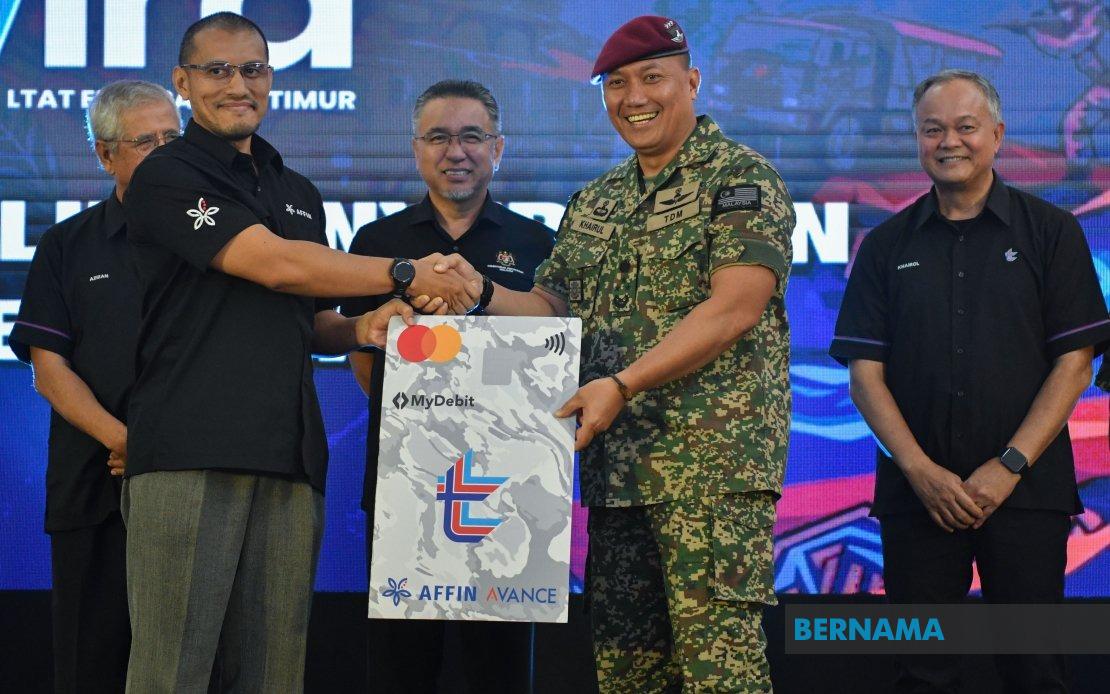
The Armed Forces Fund Board (LTAT) has unveiled an innovative approach to its Jelajah Wira 2026 initiative, integrating digital livestreaming capabilities into traditional roadshow activities across Malaysia's East Coast region. Launched at Desa Pahlawan Camp in Kota Bharu on July 2, the programme represents a significant shift in how the national defence community receives financial services education and welfare support, reflecting evolving communication preferences among military personnel stationed across geographically dispersed locations.
Deputy Defence Minister Adly Zahari presided over the launch ceremony, symbolising the government's commitment to modernising engagement mechanisms within the Armed Forces ecosystem. The expansion reflects broader recognition that traditional roadshow models, while valuable for direct interaction, have inherent limitations when reaching personnel deployed to remote or operationally demanding postings. By incorporating livestreaming technology, LTAT aims to democratise access to its programmes, ensuring that geographic constraints do not prevent any service member from participating in financial literacy sessions or accessing information about welfare benefits and entrepreneurial support schemes.
The East Coast edition specifically targets physical attendance exceeding 3,600 military personnel across three key venues: Desa Pahlawan Camp in Kelantan, Sri Pantai Camp in Kuala Terengganu scheduled for July 9, and Kuantan Air Base in Pahang on July 13. However, LTAT's projections suggest the digital component could amplify reach to over 10,000 personnel nationwide, effectively multiplying the impact of each physical gathering. This hybrid model transforms what might otherwise be discrete local events into a national conversation spanning military communities, making institutional messaging about financial planning, savings schemes, and welfare programmes accessible to forces members regardless of posting location.
Central to LTAT's mandate is strengthening financial resilience within the armed forces community while simultaneously supporting broader government economic initiatives. The programme explicitly aligns with the MADANI Economy framework and PuTERA35 aspirations, suggesting that military welfare initiatives have become integrated within wider national economic development strategies. For Malaysian defence personnel, this represents an acknowledgment that military service involves financial vulnerabilities distinct from civilian employment, and that targeted intervention—combining education with practical support—can meaningfully improve household economic security.
Among the tangible benefits announced, LTAT introduced the AFFIN LTAT Affiliate Debit Card as a value-added service for contributors, alongside distribution of smart devices under the 2026 SPM e-Perkasa programme. This latter initiative directly addresses educational equity concerns by providing children of armed forces personnel with technology enabling access to free online tuition classes. Such provisions acknowledge the realities of military families, where frequent relocations and postings to less-developed areas can disadvantage children academically. By removing technological barriers, the programme aims to ensure that military service does not translate into educational compromise for dependents.
A substantial focus of the roadshow involves honouring veteran entrepreneurship through the LTAT Wira Entrepreneur Empowerment Programme, a structured six-month economic intervention initiative. Results from the second series have proven particularly compelling, with participating veterans recording average monthly business income increases of 162 percent. These figures suggest that organised mentoring combining business coaching, financial literacy, and ecosystem support can effectively transform veteran economic trajectories. For Southeast Asia's military communities broadly, such success metrics offer valuable models for civilian reintegration programmes and veteran welfare support.
The expansion of the entrepreneur empowerment programme to the East Coast region signals LTAT's recognition that veteran economic empowerment cannot remain concentrated in major urban centres. East Coast Malaysia, while economically vibrant, faces distinct entrepreneurial challenges including smaller markets, higher logistics costs, and sometimes limited access to business networks that metropolitan areas take for granted. Tailoring mentorship and financial support to regional contexts enhances the programme's relevance and sustainability prospects for participants facing locally specific constraints.
Since December 2023, LTAT's Contributors' Briefing and Financial Literacy Programme has already engaged over 68,000 military personnel through continuous sessions across various military installations. This cumulative reach demonstrates sustained institutional commitment to financial education within the armed forces, addressing a critical knowledge gap affecting service members' long-term economic security. For military communities unfamiliar with complex financial instruments, retirement planning mechanisms, or investment concepts, such persistent educational engagement represents essential support infrastructure that many civilian populations take for granted through commercial banking relationships.
The digital livestreaming innovation carries particular significance for Malaysia's military infrastructure. Armed Forces personnel frequently operate in challenging environments—jungles, maritime zones, remote border postings—where travelling to centralised briefing venues imposes operational costs and logistical complications. Enabling remote participation through digital channels reduces friction substantially, potentially improving attendance rates and ensuring that operational considerations do not prevent service members from accessing welfare information. This efficiency gain benefits not only individuals but also defence force operational effectiveness by minimising disruption to deployments.
For Malaysian citizens, the LTAT's modernisation efforts underscore how military welfare programmes have evolved beyond narrow compensation frameworks into comprehensive social economic initiatives. The integration of family-focused provisions—educational technology access, entrepreneurship support for veterans—reflects understanding that military service creates distinctive household circumstances requiring tailored institutional responses. The roadshow's expansion across the East Coast suggests this approach is being systematically rolled out regionally, potentially establishing templates for similar initiatives elsewhere.
The combination of physical and digital engagement also addresses generational diversity within military communities. Younger service members increasingly expect digital-first communication and participation options, while older personnel may prefer direct interaction. The hybrid model accommodates both preferences simultaneously, creating inclusive engagement architecture that respects different communication preferences while maximising overall participation rates. As military forces globally grapple with attracting and retaining talent in competitive labour markets, demonstrating responsive, member-centric institutional cultures becomes strategically important.
Looking forward, the success metrics from this East Coast expansion will likely influence how LTAT structures future national rollouts. Should the digital-physical hybrid model deliver anticipated reach and engagement outcomes, it may become foundational to LTAT's operating model, fundamentally changing how defence communities nationwide access financial services information and welfare support. For Malaysia's broader military modernisation agenda, such institutional innovations in engagement and support delivery represent progress toward creating armed forces that function effectively while genuinely prioritising member welfare beyond basic compensation.

