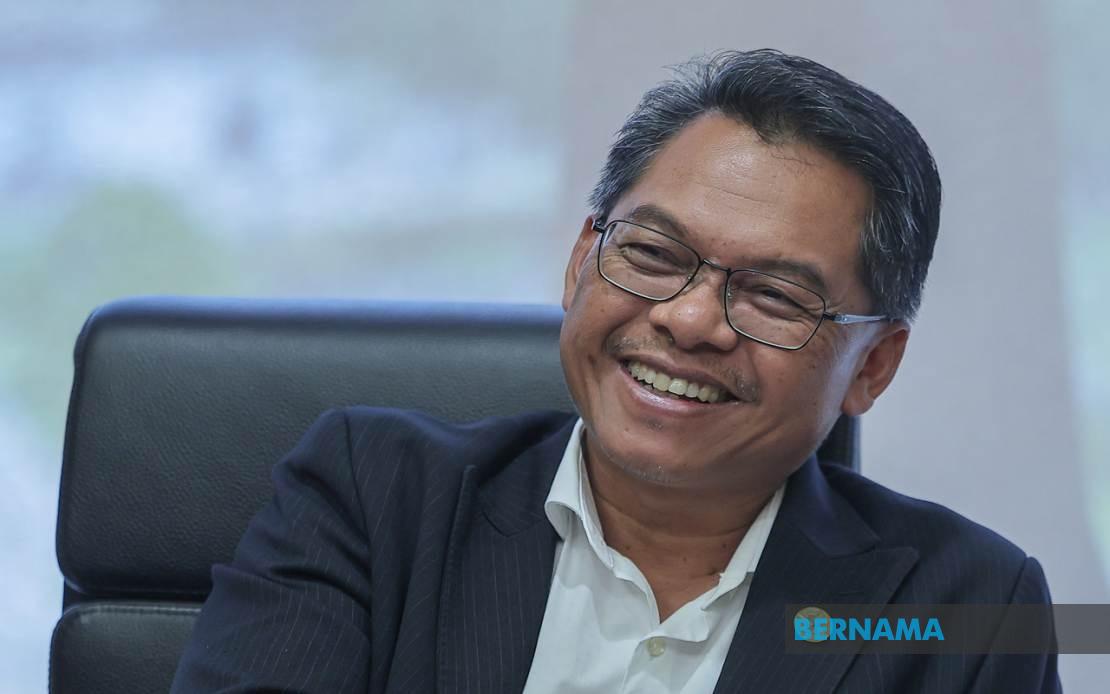
A high-level technical committee overseeing implementation of the Malaysia Agreement 1963 has intensified pressure on federal and state authorities to clear a backlog of unresolved issues affecting Sabah and Sarawak. The directive came during a meeting in Putrajaya chaired by Datuk Mustapha Sakmud, who oversees federal-state relations for both East Malaysian territories in the Prime Minister's Department. The committee's action signals growing momentum to translate longstanding constitutional commitments into tangible outcomes before a scheduled review by Prime Minister Datuk Seri Anwar Ibrahim next month.
The Malaysia Agreement 1963 remains a foundational but occasionally contentious document governing Sabah and Sarawak's position within the Malaysian federation. Negotiated during decolonisation, the agreement established specific safeguards and financial arrangements for the two states. Decades later, implementation gaps persist despite periodic pledges of commitment. The Technical Committee's latest instruction reflects frustration with the pace of progress and signals that the current administration intends to treat MA63 fulfilment as a priority rather than a perpetual work-in-progress.
Mustapha's characterisation of the engagement process emphasises consensus-building grounded in trust and mutual respect between federal authorities and state governments. This language matters in the context of Malaysian politics, where perceived federal dominance over state affairs remains a sensitive issue in Sabah and Sarawak. By framing progress as collaborative rather than top-down, the government attempts to reassure East Malaysians that their interests are being defended at the highest levels. The messaging also suggests that disagreements persist but are being managed within institutional channels rather than escalating into confrontation.
The committee reviewed several strategic priorities that extend beyond narrow technical compliance. Borneonisation of the public service—a policy aimed at increasing Sabah and Sarawak representation in state-level bureaucracy—addresses long-standing concerns about federal officers dominating local administration. Healthcare service gaps in both states reflect genuine disparities in medical infrastructure and specialist availability compared to Peninsular Malaysia. Education sector strengthening similarly acknowledges that schools and tertiary institutions in Sabah and Sarawak have historically received proportionally less investment than their peninsular counterparts. These three areas touch upon fundamental quality-of-life issues for East Malaysians.
Two concrete achievements were highlighted to demonstrate tangible progress. The increase of Sabah's Special Grant to RM1.5 billion under Article 112D of the Federal Constitution represents a significant financial commitment, though context matters—the quantum of special grants and whether they genuinely reflect the fiscal relationship envisioned in MA63 remain subjects of academic and political debate. The transfer of Bintulu Port to Sarawak on July 21 carries greater symbolic weight. Port assets occupy a special position in development discussions; control over such infrastructure suggests meaningful devolution of economic authority to state hands rather than mere administrative cooperation.
These developments reflect broader tensions in Malaysian federalism that remain unresolved despite periodic review. Sabah and Sarawak entered the federation with expectations of substantial autonomy, particularly over immigration, religion, education, and resource management. Reality has often diverged from those expectations. Federal policies set in Kuala Lumpur regularly override state preferences. The flow of resource revenues to Putrajaya has generated sustained resentment in Sabah particularly. MA63 exists partly as a mechanism for addressing such grievances, yet its implementation has historically been sporadic and incomplete.
The involvement of working committees in advancing MA63 suggests that the current government is employing institutional machinery to achieve what political pressure alone has not delivered. Committees, by their nature, create accountability structures. Multiple stakeholders must sign off on proposals, creating mutual obligations. This approach may generate slower progress than executive fiat, but it potentially produces more durable outcomes because affected parties have been consulted rather than overruled. For Sabah and Sarawak, which have experienced periods when federal governments showed limited interest in MA63, the institutionalisation of engagement represents a modest but meaningful shift.
The upcoming prime ministerial review carries procedural significance. Prime Minister Anwar Ibrahim's direct engagement signals that MA63 has moved to the upper levels of the federal administration's agenda. Whether this reflects genuine commitment to restructuring federal-state relations or represents a political calculation aimed at managing East Malaysian sentiment depends partly on what happens after the review meeting concludes. Previous administrations have also held high-profile MA63 meetings, only to allow momentum to dissipate once immediate political pressures eased.
For Malaysian and Southeast Asian observers, the MA63 process illustrates broader questions about federalism in multiethnic, multi-regional democracies. How should power be distributed between centre and periphery? What mechanisms ensure that peripheral regions genuinely participate in decisions affecting them rather than merely being consulted ceremonially? Malaysia's federation includes not only Sabah and Sarawak but also Penang, Kelantan, and other states with varying degrees of autonomy and influence. The way MA63 is handled may set precedents for how federal-state relations evolve more broadly.
The committee's directive to prioritise outstanding issues suggests that the backlog is substantial enough to require explicit instruction rather than being resolved through ordinary bureaucratic processes. This reveals that implementation requires active political will, not just technical competence. Ministries and agencies must be pushed to allocate resources and make decisions. Without such pressure from above, competing priorities and entrenched interests tend to delay resolution of issues that lack strong federal champions.
Looking ahead, the success or failure of this acceleration effort will depend on whether committees transform into action or remain forums for exchanging positions. Sabah and Sarawak will be monitoring outcomes closely. The provision of additional Special Grant funding and infrastructure transfers offers concrete metrics by which progress can be measured. Meanwhile, broader governance issues—whether those affecting Borneonisation, healthcare equity, or education parity—typically involve longer institutional timelines and may show progress only if commitment is sustained across multiple electoral cycles.

