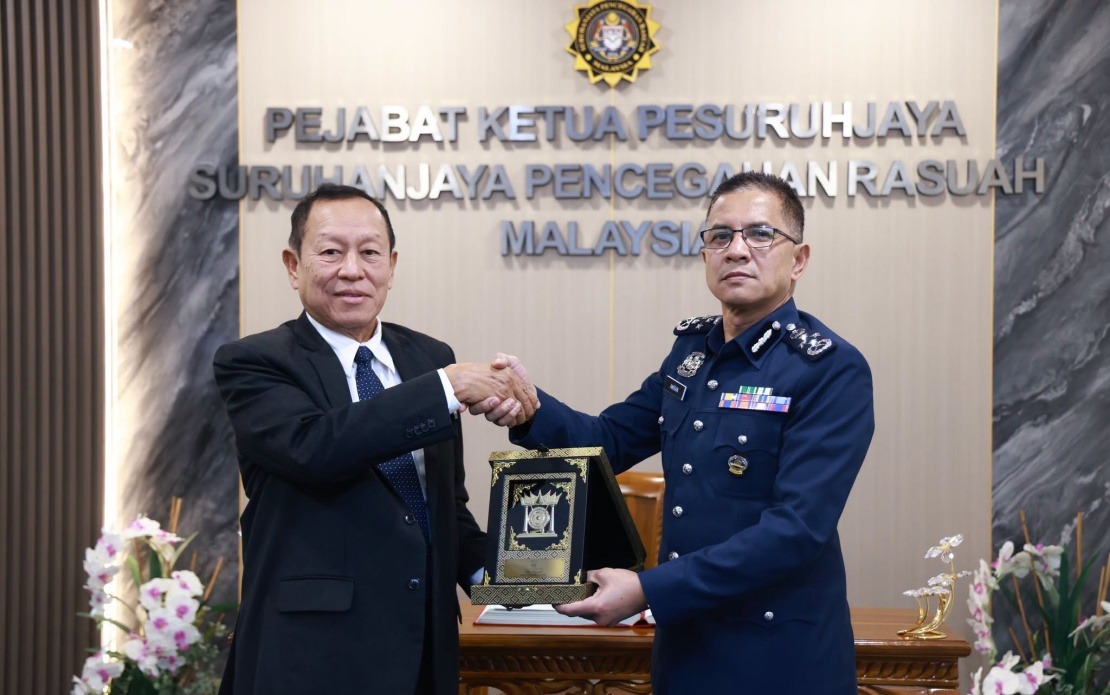
The Malaysian Anti-Corruption Commission and the Royal Malaysian Customs Department have announced plans to establish a dedicated task force aimed at intensifying monitoring of enforcement activities and tax collection processes across the country's strategic port facilities. The initiative emerged following high-level discussions held at MACC headquarters in Putrajaya, where senior officials from both agencies outlined their shared commitment to tackling corruption, smuggling, and revenue losses at critical maritime checkpoints.
MACC chief commissioner Datuk Seri Abd Halim Aman revealed that the proposal to create the joint task force took shape during a formal courtesy visit from JKDM director-general Datuk Amran Ahmad. The one-hour strategic meeting provided both agencies with a forum to examine the operational challenges they face while executing their respective mandates, with particular emphasis on the complexities surrounding customs inspection procedures and the bureaucratic obstacles that can impede effective border controls.
The collaboration addresses a critical vulnerability in Malaysia's port operations. Container management has emerged as an area where significant leakages occur, with illicit goods and undeclared shipments slipping through detection systems. By pooling expertise and establishing coordinated oversight mechanisms, the two agencies aim to create a more formidable barrier against illegal trade and tax evasion at ports nationwide. This represents a recognition that fighting corruption and revenue loss requires agencies to move beyond their traditional silos and develop integrated enforcement strategies.
Customs authorities have identified increasingly sophisticated methods employed by criminal syndicates to circumvent tax obligations and bring contraband into Malaysia. Smuggling operations have become more complex, often involving the falsification of official documents and the submission of fraudulent information across multiple approval channels. These tactics allow criminal networks to exploit gaps in the system and move prohibited goods with relative impunity, resulting in substantial losses to the national treasury and undermining legitimate commerce.
One particularly troubling modus operandi that JKDM has detected involves the deliberate misrepresentation of cash amounts brought into Malaysia. Individuals declare significantly lower values than the actual currency they are transporting, effectively laundering money and evading reporting obligations. This tactic not only deprives the government of tax revenue but also facilitates the movement of funds derived from illegal activities, creating pathways for organised crime and terrorism financing to flourish unchecked.
For Malaysia's economy, such leakages carry substantial implications. Every dollar lost to smuggling and tax evasion represents resources that could otherwise fund critical infrastructure, healthcare, education, and social programmes. The cumulative effect of widespread revenue losses at ports creates a chronic drain on the national budget. When factored across multiple ports and extended over years, these deficits compound, leaving less funding available for development initiatives that could enhance Malaysia's competitive position in the region.
Amran emphasised that JKDM welcomes the involvement of the anti-corruption commission in establishing a culture of integrity within customs operations. By bringing MACC's expertise in corruption investigation and anti-corruption messaging to bear on customs personnel, the initiative seeks to fortify ethical standards among frontline officers. Corruption within the customs system itself—where officials may be bribed to overlook contraband or falsify inspection records—represents a critical vulnerability that undermines all enforcement efforts. Addressing this dimension requires sustained focus on integrity and professional standards.
The task force concept reflects broader regional and international best practices in port security. Countries throughout Southeast Asia have recognised that fragmented agency approaches to border control create exploitable weaknesses. Joint task forces that bring together customs, anti-corruption, police, and maritime authorities under unified command structures have proven more effective at identifying networks of offenders and disrupting trafficking operations. Malaysia's initiative positions the country alongside regional peers in adopting more sophisticated enforcement paradigms.
The participation of MACC Investigation Division senior director Datuk Mohd Hafaz Nazar and JKDM Integrity branch head Azian Umar in these discussions underscores the commitment of both agencies' leadership to making this collaboration functional. The presence of dedicated integrity units within the customs department indicates that internal anti-corruption measures are already receiving organisational attention, and the partnership with MACC should amplify these existing efforts substantially.
For Malaysian importers and exporters operating legitimately, the establishment of this task force carries mixed implications. While enhanced enforcement may increase inspection durations at ports, creating temporary friction in trade flows, the long-term effect should be to create a more level playing field. By raising the cost of engaging in smuggling and tax evasion, the task force indirectly advantages compliant businesses that incur higher legitimate costs. Over time, such enforcement intensity can shift competitive dynamics in favour of ethical operators.
The task force also sends a signal to the international business community that Malaysia is serious about strengthening governance and reducing the transaction costs associated with corruption and illicit trade. Companies considering investment or supply chain decisions increasingly factor in corruption risks and enforcement capabilities when selecting operating locations. A visible commitment to enhanced port security can improve Malaysia's standing among multinational corporations evaluating regional hubs for their operations.
Looking ahead, the success of this initiative will depend on the resources allocated to the task force, the degree of operational integration achieved between the two agencies, and the willingness of both organisations to adapt procedures and share intelligence in real time. Building effective inter-agency relationships requires sustained effort, clearly defined roles, and mechanisms for resolving jurisdictional ambiguities. The stated focus on curbing container management leakages and dismantling syndicate networks provides a concrete starting point, but maintaining momentum over the medium term will be crucial.

