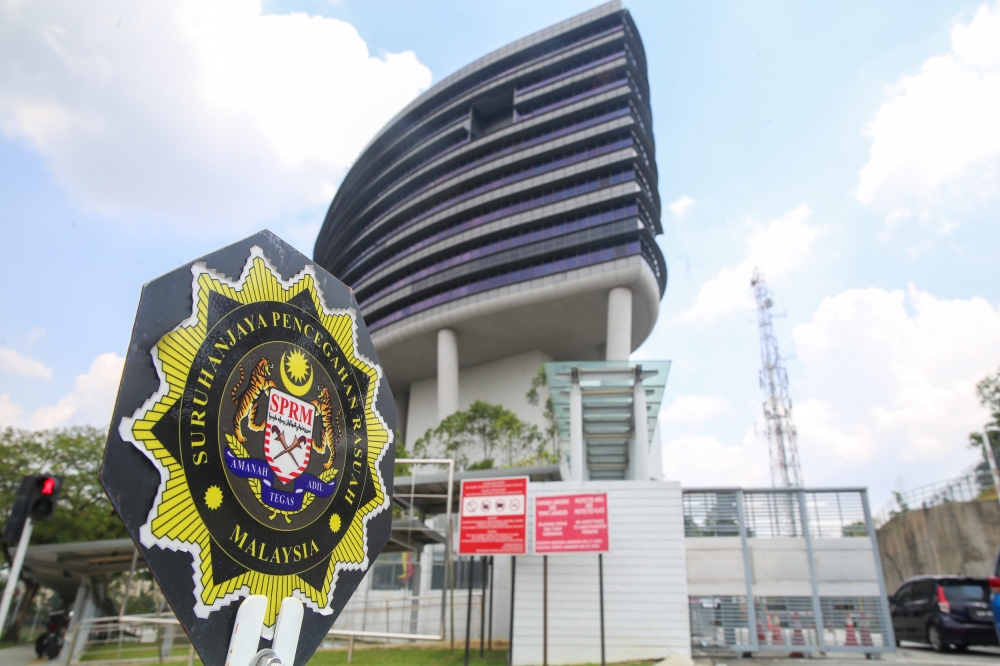
The Malaysian Anti-Corruption Commission has expanded its investigation into a major data security breach affecting the immigration system, with the arrest of five additional officers this week. The detentions represent a significant escalation in MACC's efforts to address what officials characterise as systematic unauthorised access to the MyIMMs platform, the government's integrated immigration management system.
The latest arrests bring the total number of immigration officials detained in connection with this case to a considerably higher figure, reflecting the breadth of the alleged misconduct. Officers from various departments and levels within the immigration service have been implicated, suggesting the problem extends beyond isolated incidents to potentially involve coordinated or widespread breaches of system security protocols.
MyIMMs serves as the backbone of Malaysia's immigration operations, processing visa applications, managing traveller information, and storing sensitive personal data on millions of individuals. Unauthorised access to such a system raises profound concerns about data protection, national security, and the integrity of immigration procedures. The alleged hacking incidents have triggered questions about the adequacy of current cybersecurity measures protecting critical government infrastructure.
The MACC investigation has been proceeding methodically since initial breaches were discovered, with authorities working to establish the scope of unauthorised access and identify whether information was extracted, modified, or exploited for personal gain or other purposes. Each wave of arrests has provided investigators with additional leads and evidence to pursue further aspects of the case. The pattern of successive detention batches suggests investigators are following a deliberate strategy, possibly building outward from initial suspects to uncover a wider network of involvement.
Cybersecurity experts have highlighted that government agencies often face particular vulnerability to insider threats, where employees with legitimate system access exploit their positions to bypass normal security controls. The MyIMMs case underscores how even sophisticated digital systems can be compromised when staff members are willing to circumvent established protocols. This vulnerability becomes more pronounced when multiple individuals across different departments operate without adequate oversight or audit trails to monitor their activities.
For Malaysian citizens and businesses, breaches of immigration system data carry substantial implications. Stolen personal information could be leveraged for identity fraud, targeted scams, or misuse in visa or permit applications. Foreign investors and expatriate workers dependent on immigration processes face uncertainty about whether their documentation and personal details remain secure. The credibility of Malaysia's immigration administration, crucial for attracting talent and facilitating international commerce, depends on public confidence in data protection.
The arrests also highlight systemic governance challenges within the immigration service. Leadership must examine not only how unauthorised access occurred but why individuals felt emboldened to commit such breaches and whether they were motivated by financial incentives, coercion, or inadequate understanding of their legal obligations. Training, supervision, and internal controls all require scrutiny to prevent recurrence.
Regionally, Malaysia's experience mirrors concerns across Southeast Asia about the security of government digital infrastructure. As nations modernise their administrative systems to improve service delivery, they simultaneously create new targets for exploitation. The MyIMMs case provides a cautionary example for neighbouring countries implementing similar integrated systems, demonstrating the importance of robust cybersecurity architecture and rigorous staff vetting.
The MACC's continued investigation signals that authorities are committed to holding accountable those who breach public trust through unauthorised system access. Prosecutions, when charges are laid, will carry significant penalties and serve as deterrents to others considering similar misconduct. However, the investigation's scope also suggests that structural and procedural reforms may be necessary to prevent future incidents.
Moving forward, the immigration service must balance operational efficiency with enhanced security measures. This could include more sophisticated monitoring of system access, compartmentalisation of data privileges based on job requirements, regular security audits, and mandatory cybersecurity training for all personnel. International best practices in protecting government systems should inform policy adjustments.
The situation underscores a fundamental tension in modern governance: the need to digitise services for convenience and efficiency while safeguarding sensitive information from misuse. Government agencies must invest adequately in cybersecurity infrastructure and maintain vigilant oversight of personnel access to critical systems. For Malaysia, addressing the MyIMMs vulnerabilities comprehensively will require both criminal accountability and institutional reform to restore public confidence in immigration administration.

