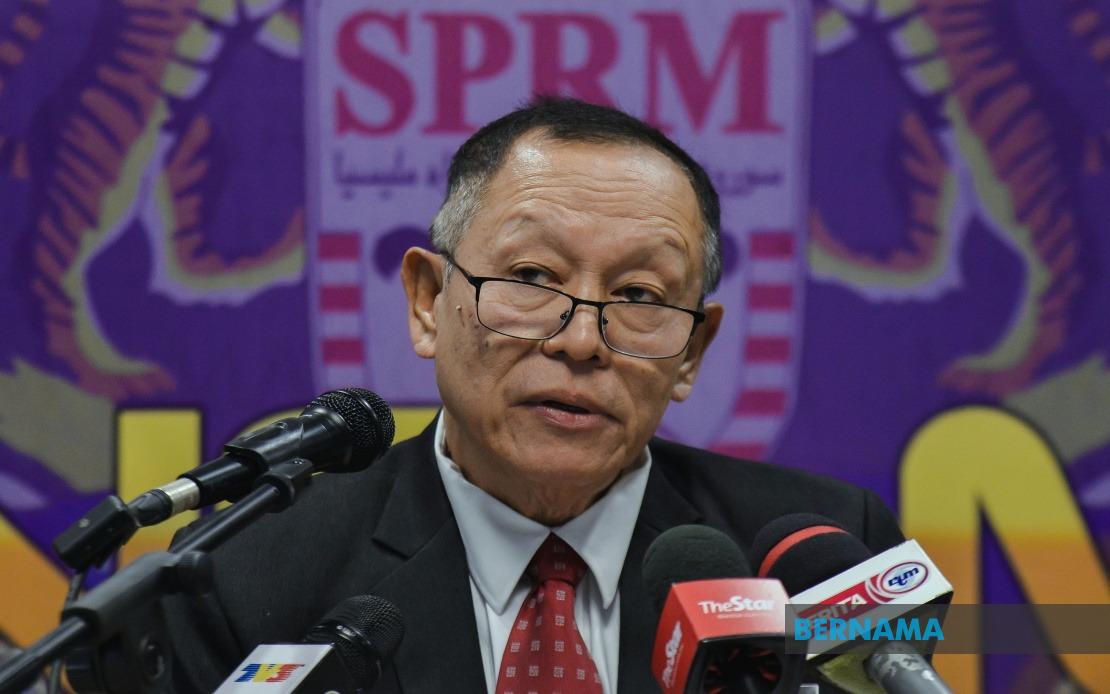
The Malaysian Anti-Corruption Commission concluded a four-day interrogation session on Wednesday with a former chief financial officer of a major statutory body, marking a significant development in its ongoing investigation into the Royal Commission of Inquiry findings regarding Lembaga Tabung Haji's controversial financial decisions. MACC chief commissioner Datuk Seri Abd Halim Aman confirmed that the questioning of the 60-year-old executive wrapped up on the same day it began in the morning, with the session extending until early evening to ensure comprehensive coverage of the allegations.
The focus of this intensive investigation centres on suspected abuse of authority surrounding the acquisition of shares worth approximately RM370 million in two plantation companies. This transaction, which was flagged as problematic in the RCI report on Tabung Haji, has become a focal point for anti-corruption authorities seeking to establish whether proper procedures were followed and whether individuals exceeded their lawful powers in authorising such a substantial expenditure. The completion of the former CFO's statement represents a cornerstone moment in the probe, as this individual would have been intimately involved in financial decision-making at that level.
The investigation's emergence reflects growing public scrutiny over Tabung Haji's financial management and investment strategies. For Malaysian investors and Hajj pilgrims who contribute to the fund, questions about how their savings were deployed carry significant weight. The RCI's examination of the organisation's operations, and the subsequent MACC investigation, signals that authorities are committed to establishing accountability where it appears governance standards may have been compromised. For Southeast Asian observers, this case exemplifies how regional economies are increasingly subjecting state-linked entities to rigorous examination following instances of questionable investment decisions.
The detention of both the former CFO and the company's former chief executive officer earlier in the week underscored the seriousness with which investigators are treating the matter. Both individuals voluntarily presented themselves at MACC headquarters, a move that suggested cooperation with the inquiry despite the gravity of potential charges they might face. The voluntary nature of their participation, however, does not necessarily indicate acceptance of responsibility; rather, it may reflect legal strategy or acknowledgment of the futility of resistance given the documentary and testimonial evidence likely available to investigators.
The RM370 million transaction in question represents a substantial portion of Tabung Haji's investable assets during the relevant period. Such a concentration of resources into a single investment class—plantation company shares—raises questions about diversification principles, risk management protocols, and the appropriateness of the investment decision for an entity managing funds belonging to hundreds of thousands of Malaysian Muslim pilgrims. The RCI's flagging of this purchase suggests that commissioners found irregularities in the approval process or concerning deviations from established guidelines.
MACC's intensive questioning approach, spanning four full days, indicates that investigators sought detailed responses covering the conceptualisation, approval chain, due diligence process, and execution of the share purchase. Such comprehensive interrogation typically aims to establish not only what decisions were made but also who authorised them, what information was presented to decision-makers, and whether proper safeguards were bypassed. The length of the questioning also allows investigators to test consistency across multiple sessions and to probe apparent contradictions or gaps in witness recollections.
The investigation carries implications beyond Tabung Haji itself. Malaysia's sovereign wealth funds and state-linked investment entities have collectively managed hundreds of billions of ringgit in national assets. Public confidence in these institutions depends on robust governance frameworks and transparent decision-making processes. Investigations into alleged abuses within Tabung Haji serve as both a deterrent and a signal that authorities will pursue leads that suggest mismanagement or misconduct, regardless of the seniority of individuals involved. This institutional accountability mechanism is particularly important in a regional context where questions about transparency in state-owned enterprises remain persistent.
For Malaysia's financial sector and regulatory environment, this case demonstrates the maturity of anti-corruption institutions in pursuing complex financial investigations. MACC's methodical approach—conducting extended interrogations, obtaining documentary evidence, and building a comprehensive evidentiary record—reflects investigative competence that aligns with international standards. Such rigorous investigation also serves the broader purpose of signalling to both domestic and international investors that Malaysia takes financial governance seriously.
The implications for Tabung Haji's future operations and governance structure remain to be seen. Depending on the MACC investigation's conclusions and any subsequent prosecutions, the organisation may face internal restructuring, enhanced oversight mechanisms, or reputational challenges in attracting future investment from pilgrims concerned about asset protection. The findings could also prompt wider reviews of governance practices across other Malaysian sovereign wealth and pilgrimage funds.
As the investigation progresses beyond the interrogation phase, authorities will likely move toward charging decisions or recommendations for prosecution if evidence supports criminal liability. The statements recorded over the four-day session will form crucial components of the prosecutorial case should formal charges materialise. Meanwhile, the Tabung Haji governance and management community will be assessing potential reforms needed to restore institutional credibility and prevent similar allegations from arising in future.

