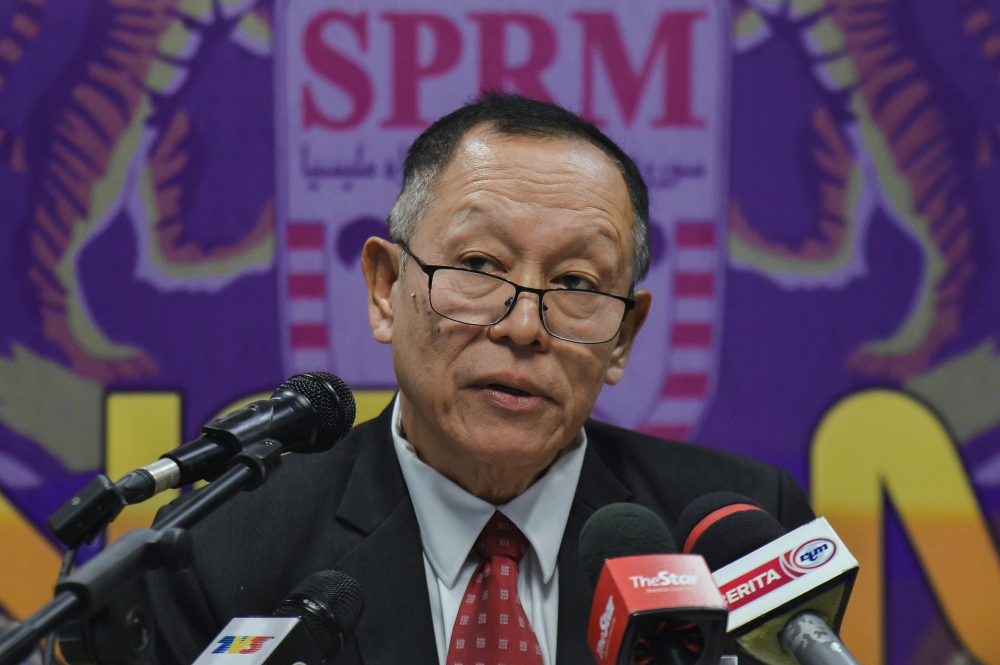
The Malaysian Anti-Corruption Commission is weighing the possibility of bringing in overseas forensic specialists to help unravel the increasingly intricate Tabung Haji investigation, a move that underscores the investigation's growing scope and technical demands. This consideration comes after the agency has already conducted 115 witness interviews and secured seven suspects in detention as part of its expanding probe into the Islamic pilgrimage fund, suggesting investigators have encountered complexities that may require expertise beyond their current capabilities.
The Tabung Haji case has evolved into one of the most significant corruption investigations in recent Malaysian history, touching on financial irregularities at an institution entrusted with billions in pilgrims' savings. The scale of the inquiry—reflected in the sheer number of witnesses interviewed—indicates that investigators are examining multiple layers of potential wrongdoing, possibly spanning various departments and decision-making hierarchies within the organisation. Such breadth typically demands not just manpower but also sophisticated analytical techniques to trace financial flows and identify complicit parties.
International forensic assistance has become an increasingly common tool for Malaysian authorities tackling complex financial crime. By engaging foreign experts, the MACC can access specialized capabilities in digital forensics, financial trail analysis, and sophisticated accounting reconstruction that may not be readily available domestically. This approach also carries the advantage of perceived neutrality and international credibility, which can strengthen the case's integrity both in Malaysian courts and internationally, particularly if overseas assets or transactions are involved.
The decision to consider foreign expertise reflects broader trends in Southeast Asian law enforcement, where countries recognizing the transnational and highly technical nature of modern corruption are investing in international cooperation mechanisms. Malaysia's willingness to seek external help demonstrates a pragmatic approach to building the strongest possible case, though it also raises questions about resource constraints within the MACC's existing forensic capabilities and whether the agency has the infrastructure to handle investigations of this magnitude independently.
The seven detainees currently in custody represent key persons of interest in the investigation, though their specific roles and allegations remain under wraps pending legal proceedings. The detention strategy suggests investigators believe they have gathered sufficient preliminary evidence against these individuals to justify holding them for questioning and further investigation. The timing of any charges will likely depend partly on how quickly the MACC can piece together the financial and administrative evidence, a process that foreign experts could potentially accelerate.
For Malaysia's pilgrimage community, the investigation carries profound implications. Tabung Haji, established in 1963, manages funds for hundreds of thousands of Muslims planning their hajj pilgrimage, making the institution's financial integrity crucial for public trust. Any confirmed corruption would represent a betrayal of millions of savers who have contributed to the fund in good faith over decades. The comprehensive nature of the investigation suggests the MACC is determined to establish a complete picture of what occurred, rather than merely securing convictions against junior officials.
The potential involvement of foreign forensic teams also indicates that financial flows may have extended beyond Malaysia's borders, a scenario common in high-level corruption cases where perpetrators attempt to conceal proceeds through international banking networks. This cross-border dimension would require investigators to navigate complex jurisdictional issues and potentially coordinate with financial intelligence units in other countries, further justifying the engagement of international expertise.
From a governance perspective, the Tabung Haji case serves as a reminder of institutional vulnerabilities even within organisations ostensibly dedicated to social purposes. The investigation's progress and ultimate outcomes will likely inform discussions about strengthening oversight mechanisms for government-linked bodies and sovereign wealth funds across Malaysia and the broader region. Investors, both domestic and international, will be watching closely to understand how comprehensively these safeguards are being reinforced.
The decision to pursue foreign forensic help also signals that the MACC views this investigation as sufficiently significant to justify the additional expenditure and coordination complexities involved. Such moves are typically reserved for cases with either substantial financial damage, systemic institutional failures, or both—suggesting that investigators have uncovered issues serious enough to warrant maximum investigative resources. The agency's commitment to pursuing international expertise demonstrates that building a watertight prosecution is being prioritised over speed.
As the investigation progresses, the seven detainees' legal status will come under periodic review, with decisions required on whether to proceed with charges, seek extension of detention, or release individuals with further notice. These procedural milestones will provide opportunities for the facts underlying the investigation to emerge progressively into the public domain, though Malaysia's defamation laws and sub judice rules typically restrict public commentary during active proceedings. The eventual court proceedings, should charges be filed, will represent the culmination of this intensive investigative effort and will determine whether the accumulated evidence meets the threshold for criminal conviction.

