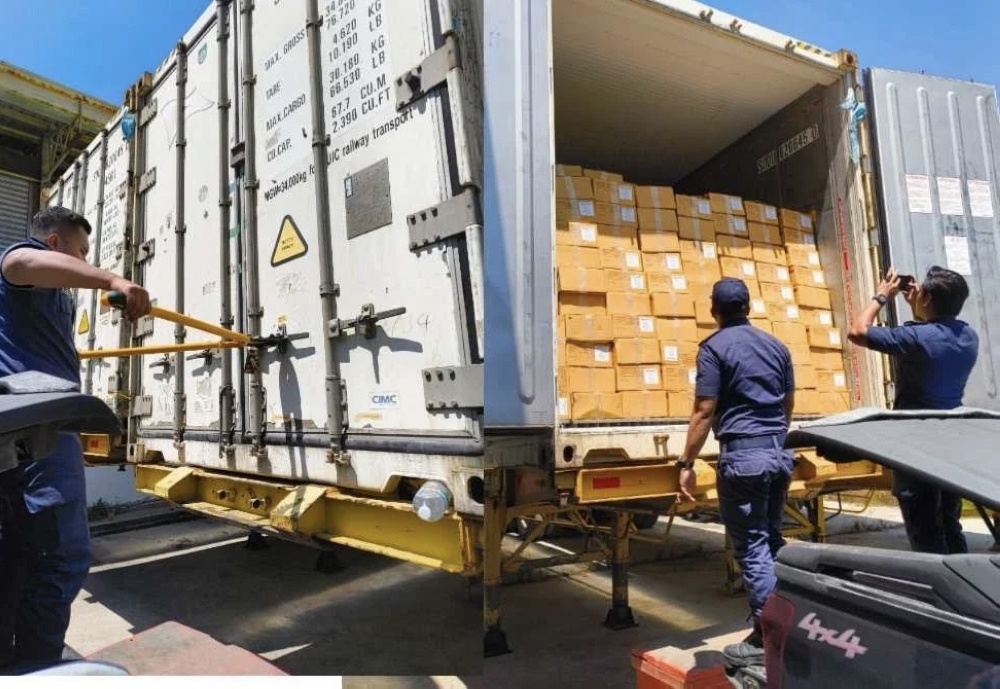
Authorities in Malaysia have successfully dismantled what appears to be a coordinated smuggling operation targeting frozen chicken products from China, signalling renewed enforcement efforts against illicit food imports in the country's eastern states. The Malaysian Anti-Corruption Commission announced the breakthrough following an investigation dubbed Operation Chick, which resulted in the detention of three individuals connected to the unlawful importation scheme operating out of Sabah.
The operation represents a significant concern for Malaysian food regulators, as it highlights vulnerabilities in import control mechanisms that criminals continue to exploit. Illegal food imports pose dual threats: they circumvent mandatory quality and safety inspections that protect consumers, whilst simultaneously generating proceeds that corrupt officials may pocket through bribery and kickbacks. The MACC's involvement signals that the agency views this case as involving corruption elements, likely pointing to suspected complicity from government personnel who ought to have flagged irregular shipments.
Sabah's geographic position as a trade hub with direct maritime access to neighbouring countries makes it particularly vulnerable to smuggling operations. The state's extensive coastline and numerous ports provide opportune entry points for contraband goods, especially agricultural products that might be transferred to smaller vessels or diverted through informal channels. Criminal syndicates have long exploited this vulnerability to move prohibited or improperly documented shipments into Malaysian distribution networks, often with minimal detection.
Frozen chicken constitutes a high-value commodity in Southeast Asia, where demand consistently outpaces domestic supply across the region. Malaysia imports substantial quantities of poultry products annually, with legitimate channels serving foodservice operators, retailers, and wholesalers. The economics of smuggling such products—avoiding tariffs, taxes, and compliance costs—create substantial profit margins that incentivise criminal organisations to establish sophisticated import schemes. When unlicensed frozen chicken enters the market through illegal channels, it undercuts legitimate suppliers whilst flooding the system with products that have bypassed mandatory safety protocols.
The illicit nature of such imports presents genuine public health hazards. Chicken that avoids standard inspection procedures may originate from unsuitable farming conditions or may have been improperly stored and transported. Temperature-chain compromises during unmonitored transit could enable bacterial proliferation, particularly concerning given that frozen poultry destined for food preparation requires verification of hygiene standards from production through distribution. Consumers purchasing products through informal markets have no assurance that safety standards have been met, potentially exposing them to foodborne pathogens.
Malaysia's regulatory framework for food imports requires documentation, licensing, and inspection at port of entry—mechanisms specifically designed to exclude substandard products. When syndicates operate outside these channels, they represent not merely customs violations but fundamental challenges to food security governance. The MACC's detection of this operation suggests investigators uncovered documentary irregularities or suspicious payment patterns that triggered broader inquiries. Such investigations typically examine import records, port manifests, and financial transactions to map the complete criminal network.
The involvement of three arrested individuals raises questions about the operation's structure and how responsibilities were distributed. Smuggling rings typically comprise multiple roles: logistics coordinators who arrange transport, financial handlers managing proceeds, corrupt officials facilitating clearance, and distributors moving products into retail channels. Understanding which roles the detainees occupied will illuminate how comprehensive the network extended and how far illicit chicken penetrated legitimate supply chains before apprehension.
From a regional perspective, this case reflects broader Southeast Asian enforcement trends against food smuggling. Thailand, Vietnam, and Indonesia have similarly confronted frozen chicken trafficking, often linked to organised crime syndicates operating across multiple jurisdictions. The MACC's success demonstrates that Malaysian authorities possess investigative capacity to detect and disrupt such operations, though enforcement remains challenging given the scale of regional trade and the sophistication of criminal networks that adapt quickly to detection methods.
For Malaysian consumers and legitimate businesses, the operation underscores the importance of purchasing poultry through regulated retailers that maintain proper documentation and comply with safety standards. Consumers may unknowingly purchase smuggled products through informal channels, hawker stalls, or restaurants sourcing from unverified suppliers. Price disparities between legitimate and black-market frozen chicken often signal quality and safety differences, though price alone does not guarantee legitimacy. The MACC's action sends a message that authorities are actively pursuing these operations, though sustained enforcement will require continued inter-agency coordination and resource allocation.
The broader context involves Malaysia's ongoing struggle against corruption in food regulation, an area where officials controlling import approvals occupy strategic positions within smuggling networks. Addressing such corruption requires investigating not only the commercial participants but also any government functionaries who may have accepted bribes or failed to perform proper inspections. The MACC's dual focus on the smuggling operation and potential corruption angles suggests authorities recognise that dismantling such schemes demands investigating both the criminal enterprise and enablement through official channels.
Looking forward, the case underscores why Malaysia must strengthen documentation requirements, implement more rigorous port-of-entry inspections, and enhance inter-agency information sharing between customs, agriculture, and health authorities. Sabah, given its geographic vulnerabilities, warrants particular attention and resource deployment. The successful Operation Chick demonstrates that detection is possible, but systematic prevention requires sustained commitment and adequate funding for enforcement agencies tasked with protecting the nation's food supply.

