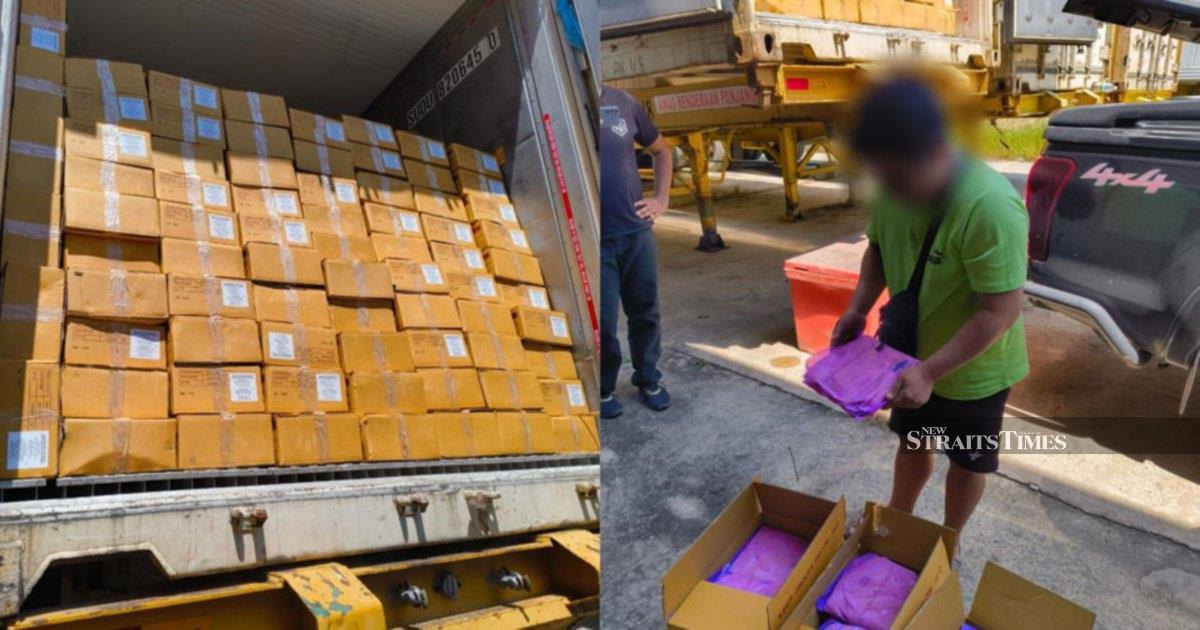
The Malaysian Anti-Corruption Commission (MACC) has successfully dismantled a major syndicate responsible for illegally importing frozen chicken from China into Sabah, dealing a substantial blow to organised smuggling operations in the state. The operation represents a significant enforcement milestone in combating food contraband and corruption related to the unlicensed entry of poultry products into the country through a strategically vulnerable entry point.
Sabah's geographic proximity to international shipping lanes and its porous maritime boundaries have long made it an attractive landing point for smugglers attempting to circumvent Malaysia's strict food import regulations and quality control measures. The discovery of this coordinated network underscores how corrupt officials and commercial operators have colluded to bypass customs procedures and veterinary inspections that exist to protect consumer health and domestic farming interests. By dismantling this particular syndicate, the MACC has removed a significant conduit through which substandard poultry products were entering Malaysian markets.
The frozen chicken trade represents a particularly lucrative smuggling avenue because of sustained domestic demand and substantial price differentials between legitimate imports and illegal shipments. Consumers in urban centres often purchase poultry without awareness of its origins or handling history, creating persistent market conditions favourable to smugglers. Malaysia's own chicken production industry also faces unfair competition when illegal imports flood the market at artificially depressed prices, undermining local farmers and legitimate importers who operate within regulatory frameworks.
The syndicate's operational methods typically involve misclassifying shipments in customs documentation, bribing port officials to overlook inspection procedures, and utilising forged certificates to suggest compliance with quarantine and safety standards. These practices represent not only customs evasion but corrupt conduct by public servants who betray their duty to enforce national regulations. The MACC's intervention addresses both the criminal commercial activity and the institutional corruption that enables such networks to function across extended periods.
China remains a significant source of frozen poultry exports to Southeast Asia, including to Malaysia through both legitimate and illicit channels. Price-sensitive importers in some regions exploit regulatory gaps to source unverified Chinese products rather than purchasing from approved suppliers. This creates a persistent tension between consumers seeking affordable protein sources and enforcement agencies tasked with upholding food safety standards. The broader challenge of managing trade flows from major suppliers while maintaining border security remains a complex policy issue throughout the region.
Sabah's unique jurisdictional position as a federal territory with particular constitutional provisions has historically complicated enforcement coordination between federal agencies and state authorities. The MACC's successful operation in this environment demonstrates improved inter-agency cooperation and perhaps enhanced investigative capabilities focusing specifically on corruption-facilitated smuggling. Such partnerships are essential for disrupting organised smuggling networks that deliberately exploit administrative boundaries and jurisdictional ambiguities.
The implications of this enforcement action extend beyond the immediate criminal network dismantled. Legitimate chicken importers and domestic producers benefit from reduced unfair competition, whilst Malaysian consumers are better protected from exposure to poultry products that have not undergone proper veterinary inspection and quarantine procedures. The signal sent by the MACC's operation—that major smuggling syndicates will face serious consequences—serves as a deterrent to prospective participants in similar schemes elsewhere in the country.
Future contraband prevention in Sabah will require sustained attention to port vulnerabilities and continued investigation of corrupt officials who facilitate smuggling operations. The MACC's success here suggests that targeting the corruption dimension of smuggling networks—focusing on which government personnel enable illegal imports—may prove more effective than enforcement strategies that address only the smugglers themselves. When public servants cease to provide protective cover for criminal enterprises, the commercial logistics of smuggling become substantially more difficult and costly.
The broader regional context matters significantly here. Southeast Asian governments increasingly recognise that organised food smuggling poses both immediate health risks and longer-term economic challenges to domestic agricultural sectors. Cooperation among ASEAN nations on enforcement and intelligence-sharing regarding smuggling routes and syndicate operators has improved, though significant gaps remain. Incidents like the Sabah operation demonstrate what determined national enforcement efforts can achieve, potentially spurring similar actions elsewhere in the region.
Consumers in Malaysia should understand that while illegal frozen chicken may appear cheaper at certain market points, such products carry unknown handling histories and have bypassed health certification processes. The MACC's intervention protects public health by removing one significant source of unverified poultry entering food supply chains. Sustained consumer awareness regarding the importance of purchasing from registered, legitimate sources represents another complementary approach to reducing demand for smuggled products.

