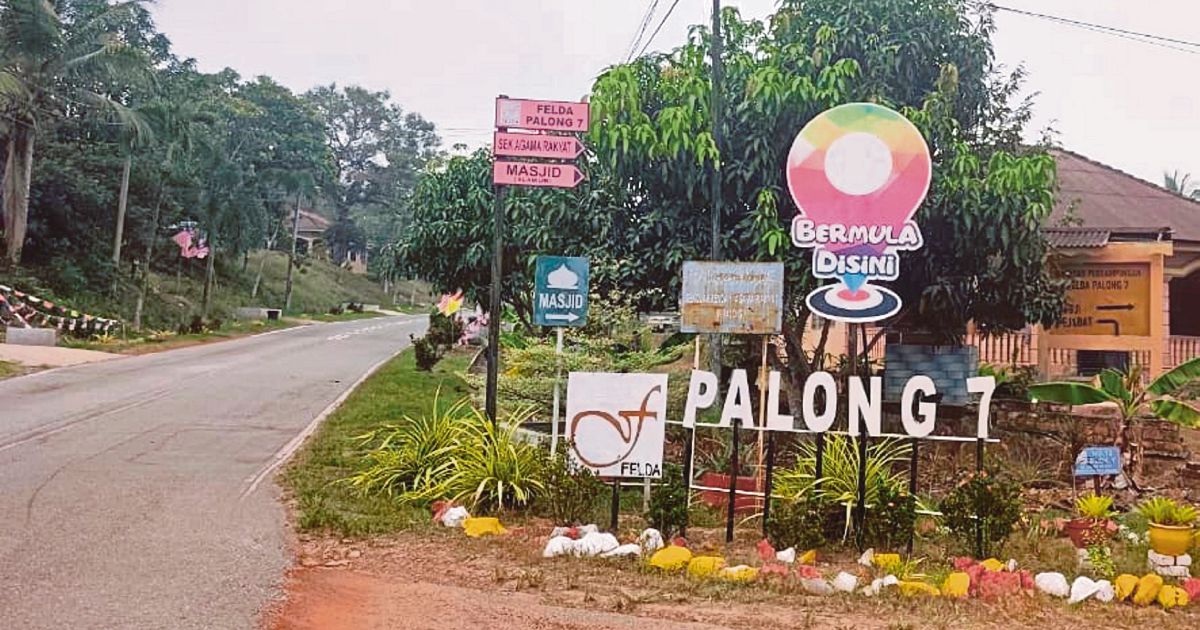
The Malaysian Anti-Corruption Commission has embarked on a detailed examination of at least five documents relating to alleged breaches within a major oil palm replanting initiative valued at approximately RM80 million at Felda Palong 7 in Jempol, Negri Sembilan, according to agency sources.
Felda Palong 7, one of Malaysia's significant federal land development authority settlements, has come under investigative scrutiny as the MACC widens its focus on large-scale agricultural projects administered under the Felda umbrella. The replanting scheme, designed to refresh aging oil palm plantations and sustain productivity within the scheme, represents substantial capital deployment within the federal agricultural sector. Such projects are critical to maintaining Malaysia's competitive standing in global palm oil markets, where replanting cycles and productivity benchmarks directly influence both smallholder income and national export revenues.
The agency's decision to formally review multiple documents suggests investigators have identified specific administrative, procurement, or financial pathways warranting closer examination. In comparable cases involving Felda operations, irregularities typically span contract tendering processes, cost inflation, project implementation milestones, or deviation from approved technical specifications. The presence of five separate documents under review indicates a multi-faceted investigation rather than isolated concerns, potentially encompassing correspondence between officials, project valuations, tender evaluations, and financial disbursement records.
Felda's operational structure, which manages thousands of hectares across peninsular Malaysia and oversees livelihoods of tens of thousands of settlers and their families, places significant responsibility on the authority's governance frameworks. Any irregularities within major capital projects carry implications beyond individual financial loss; they affect settler confidence, project timelines, and the broader narrative surrounding institutional integrity within Malaysia's agricultural development apparatus. The RM80 million scale underscores that this investigation involves resources substantial enough to meaningfully impact annual Felda expenditure budgets and project allocation priorities.
The MACC's proactive document review reflects heightened institutional vigilance toward large government-linked agricultural entities. In recent years, federal anti-corruption authorities have intensified oversight mechanisms targeting government procurement and capital project execution, recognising that agricultural schemes—often spanning rural regions with geographically dispersed beneficiaries—present operational complexity that can obscure irregular practices. This scrutiny aligns with Malaysia's broader anti-corruption reform agenda and commitments under international frameworks monitoring governance standards.
For Felda settlers at Palong 7 and adjacent schemes, the investigation carries direct relevance to scheme productivity and economic viability. Replanting programmes are investments in long-term plantation rejuvenation; compromised project integrity directly threatens the expected yield improvements and cost efficiency that justify such initiatives. Settlers depend on improved productivity to sustain household incomes, particularly as younger replanted palms mature through production cycles spanning years. Any investigation revealing systematic misallocation of replanting resources thus extends consequences beyond accounting irregularities into the economic welfare of thousands of scheme participants.
The geographical location in Jempol, Negri Sembilan, places this investigation within a state that has witnessed several high-profile governance reviews in recent years. Felda schemes across Negri Sembilan serve as employment anchors within rural constituencies, making transparency in project management a matter of state-level political and economic interest. Regional agricultural stakeholders, including smallholder associations and state-level agricultural agencies, maintain close monitoring of large-scale replanting programmes that establish benchmarks for efficiency and cost management within the sector.
Document review procedures employed by the MACC typically involve forensic examination of administrative trails, contractual obligations, and financial flows. The focus on multiple documents rather than a single transaction suggests investigators may be tracing decision-making sequences or comparative analysis across contract awards and implementation phases. Such methodical examination often precedes determinations regarding whether breaches constitute administrative oversights requiring corrective procedural changes, or more serious violations warranting referral for potential criminal charges or disciplinary action against individual officers.
The timing of this investigation occurs as federal authorities maintain elevated focus on government-linked company governance across multiple sectors. Felda, operating within Malaysia's complex institutional landscape as both a development authority and commercial entity managing settler welfare and enterprise-scale agricultural operations, represents precisely the type of organisation where governance safeguards require continuous reinforcement. The investigation sends signals to other large agricultural entities regarding accountability expectations surrounding major capital project execution and procurement processes.
Outcomes from the MACC's document review will likely influence future Felda project approval mechanisms and oversight requirements. Should irregularities be substantiated, corrective institutional measures may include revised tender procedures, enhanced internal audit protocols, or modified approval hierarchies for major capital outlays. Beyond Palong 7, findings may establish precedents influencing how federal authorities and Felda management approach transparency requirements across its portfolio of ongoing and planned agricultural development initiatives throughout Malaysia's settled areas.

