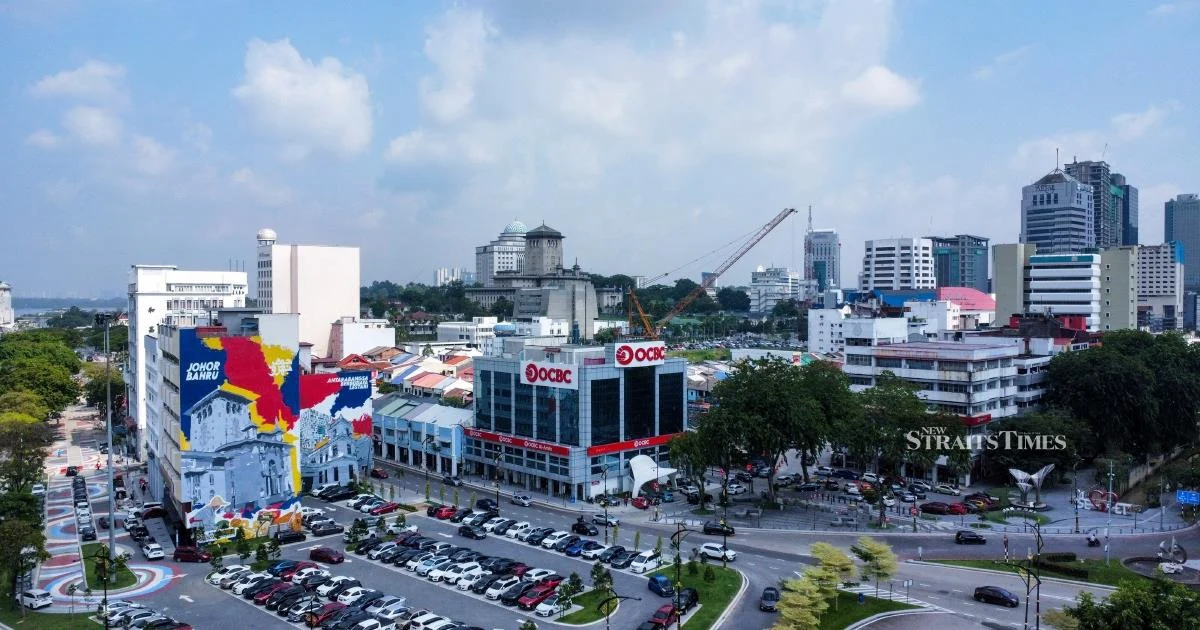
Authorities in Malaysia have initiated a formal investigation into suspected vote-buying involving a candidate who ran in the recent Johor state election, signalling renewed commitment to policing electoral integrity across the country's regional contests. The Malaysian Anti-Corruption Commission, based in Putrajaya, commenced its probe following allegations that the candidate engaged in corrupt practices to solicit voter support during the campaign period in the southern state.
The move underscores growing concern about electoral misconduct in Malaysian politics, where state-level competitions have periodically attracted scrutiny from anti-corruption bodies. Vote-buying—the practice of offering money, gifts, or favours in exchange for electoral support—constitutes a serious breach of Malaysia's election laws and undermines the democratic process. Such allegations, whether they subsequently prove substantiated or not, can significantly damage the credibility of elections and erode public confidence in institutional fairness.
Johor, as Malaysia's most populous state and an economic powerhouse in the southern region, holds considerable political weight. Elections held there frequently set tones for broader political developments and attract widespread media coverage. The presence of corruption allegations during any Johor electoral cycle therefore carries implications extending beyond the state's immediate boundaries, affecting perceptions of election quality nationwide.
The investigation's commencement reflects the MACC's institutional mandate to pursue corruption matters across all sectors and levels of governance. Election-related offences fall within the commission's remit, as they constitute abuses of public trust and resources. Over recent years, the MACC has conducted various probes into campaign financing irregularities and suspicious financial flows connected to political activities, demonstrating that electoral conduct remains an area of active regulatory focus.
Vote-buying schemes typically involve the distribution of cash, groceries, or goods to voters, occasionally disguised as community assistance or religious charity. During campaign periods, identifying and proving such activities presents enforcement challenges, as suspicious transactions may be deliberately obscured or distributed across multiple individuals. The MACC must therefore marshal evidence, gather witness testimonies, and trace financial records—a process demanding considerable investigative resources and time.
Under Malaysian law, election candidates and party officials face potential prosecution if found guilty of vote-buying. Penalties can include substantial fines, imprisonment, or both. Additionally, candidates convicted of electoral corruption may face disqualification from contesting elections for specified periods. Such legal consequences exist to discourage candidates from resorting to corrupt practices and to maintain elections as mechanisms reflecting genuine voter preference rather than financial incentive.
The timing of this investigation reveals that electoral oversight mechanisms continue operating beyond polling day. Many voters and observers assume that election-related scrutiny concludes once results are declared, yet post-election investigations frequently emerge when evidence surfaces or complaints materialise weeks or months following voting. This lag reflects the reality that proving electoral corruption often requires painstaking documentation and witness identification that cannot always be completed during the campaign itself.
For Malaysian readers, particularly those in Johor, this development carries practical significance. It demonstrates that electoral fraud allegations do not disappear into bureaucratic silence but trigger formal state action. The investigation's visibility—through public announcements and media coverage—signals that authorities take such matters seriously and will pursue culprits regardless of political affiliation or standing. This transparency, while not preventing electoral misconduct entirely, contributes to a deterrent effect that discourages candidates from attempting illicit vote procurement.
Regionally, Malaysia's approach to policing electoral conduct positions it within a broader Southeast Asian context where election integrity remains contested. Neighbouring countries have experienced significant electoral controversies, and Malaysia's capacity to investigate and prosecute electoral crimes—albeit imperfectly—distinguishes its institutional framework. The MACC's action here therefore reflects not only domestic governance concerns but also regional comparisons about democratic standards and the rule of law.
The investigation also raises questions about the broader health of electoral processes in Malaysia. If vote-buying allegations are sufficiently substantiated to warrant MACC involvement, observers may question what systemic vulnerabilities enabled such conduct in the first place. Whether campaign spending limits are adequately enforced, whether financial disclosures are sufficiently transparent, and whether election observers possessed adequate authority to detect irregularities all merit consideration in the investigation's aftermath.
As the MACC pursues its inquiry, the candidate in question will likely face restrictions on public comment and movement pending investigation outcomes. Media coverage will probably intensify if evidence emerges suggesting broader corruption networks or involvement by political party machinery. The eventual conclusions—whether charges are filed, whether convictions result—will shape perceptions of electoral accountability among Malaysian voters and political participants alike.
Ultimately, this investigation exemplifies the ongoing tension between political actors seeking electoral advantage through any available means and state institutions tasked with maintaining democratic fairness. The investigation's outcome will matter less than its mere existence in signalling that electoral corruption, while perhaps endemic to competitive politics, does not escape state scrutiny entirely.

