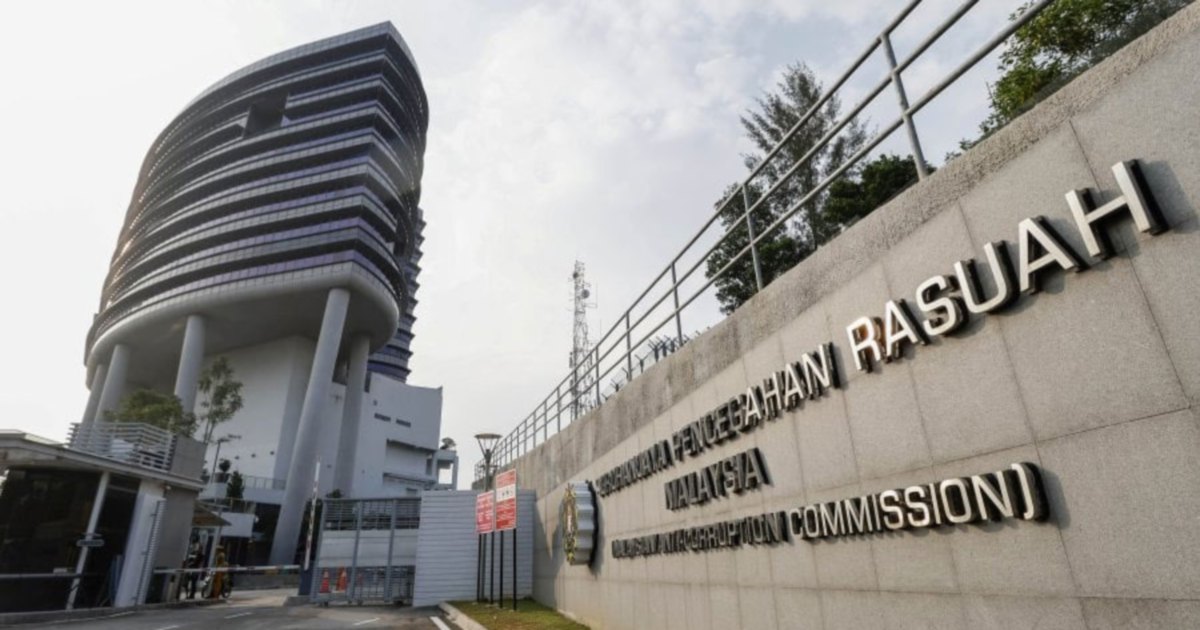
The Malaysian Anti-Corruption Commission (MACC) has commenced investigating the Retirement Fund Inc (KWAP) after the fund disclosed a substantial RM200 million loss stemming from its investment in eFishery, an Indonesian-based aquaculture technology enterprise. Investigators visited KWAP's headquarters in Kuala Lumpur this week as the corruption watchdog widens its examination into how the decision to commit such significant capital to the venture was made and whether proper due diligence protocols were followed.
The investigation marks an escalation in scrutiny surrounding one of Malaysia's most controversial pension fund investments in recent years. KWAP, which manages retirement savings for civil servants and is a critical pillar of Malaysia's social security architecture, had ventured into the Indonesian aquaculture sector with the expectation of securing returns through technological innovation in fish farming. The decision to allocate RM200 million to eFishery represents a substantial commitment of contributors' money, making the subsequent losses deeply troubling for the roughly 1.4 million members whose retirement nest eggs depend on prudent fund management.
The timing of the MACC intervention suggests that authorities believe potential impropriety may have accompanied the investment decision-making process. Unlike routine audit procedures, a dedicated corruption probe typically indicates suspicions that governance protocols may have been sidestepped, that conflicts of interest may have influenced decision-making, or that inadequate oversight allowed problematic transactions to proceed. The MACC's involvement transforms what might have initially appeared as a poor investment choice into a matter of potential criminal accountability.
eFishery's business model centred on revolutionising aquaculture through integrated technology platforms, appealing to investors seeking exposure to emerging markets and agricultural modernisation. From KWAP's perspective, such an investment aligned with diversification strategies and promises of exposure to Southeast Asian growth opportunities. However, the venture's subsequent underperformance and the scale of losses now warrant examination of whether all stakeholders adequately understood the risks, or whether decision-makers failed to exercise appropriate vigilance in managing public pension funds entrusted to their care.
For Malaysian pension contributors, the eFishery episode raises fundamental questions about institutional governance and oversight mechanisms within KWAP. Civil servants depend on their retirement funds to support them after decades of service, and any misalignment between investment decisions and fiduciary responsibility strikes at the heart of institutional trust. The MACC investigation will likely examine board-level decision-making, the investment committee's composition and independence, and whether external advisors' recommendations were properly scrutinised before such substantial capital was committed.
The broader Southeast Asian context matters significantly here. The region has experienced several high-profile pension and sovereign wealth fund scandals in recent years, each eroding public confidence in institutional money management. Malaysia's position as a regional financial centre means that lapses in governance at KWAP have implications extending beyond national borders, potentially affecting investor sentiment regarding Malaysian financial institutions' stewardship standards. The MACC probe demonstrates that authorities are taking these concerns seriously and are willing to investigate comprehensively when public funds face unexplained losses.
Investigators will almost certainly examine communications between KWAP decision-makers and eFishery representatives, scrutinise valuation methodologies that justified the initial investment, and analyse whether warning signs about the company's performance were ignored or adequately reported. They will likely interview board members, investment professionals, and external consultants involved in the due diligence process. Understanding whether the RM200 million allocation resulted from honest misjudgement or from procedures that bypassed normal risk-management safeguards will be central to determining whether recommendations for potential prosecutions emerge.
The reputational damage to KWAP extends beyond the immediate financial loss. Indonesian-invested companies now face additional scrutiny from Malaysian institutional investors who may have reassessed their tolerance for regional venture capital exposure. For eFishery itself, the investment's failure represents a setback to its global expansion ambitions and may complicate future fundraising efforts. Other Southeast Asian pension funds evaluating similar opportunities in aquaculture technology or Indonesian startups will inevitably demand heightened due diligence in response to KWAP's experience.
Government officials and pension fund administrators across the region will be watching the MACC investigation's findings closely, as lessons learned from KWAP's experience could shape investment governance standards more broadly. If the probe reveals that institutional safeguards failed due to inadequate checks and balances, KWAP and potentially other Malaysian institutions may face pressure to strengthen oversight mechanisms, expand board independence, or implement more stringent requirements for approving large-scale venture capital allocations.
The investigation also touches on broader questions about emerging market investment strategies. While diversification beyond traditional asset classes carries theoretical merits, the eFishery experience demonstrates that innovative ventures in developing economies require exceptionally rigorous evaluation. KWAP's situation illustrates how even well-intentioned efforts to generate superior returns can encounter severe challenges when investments are concentrated in young companies with unproven business models in volatile sectors.
As MACC investigators examine documentation and interview relevant parties, the findings will determine whether the loss resulted from inadequate governance, insufficient due diligence, or the simple misfortune of backing an ultimately unsuccessful venture. For Malaysia's retirement savers, the outcome carries profound implications for how their funds will be managed in coming years and whether institutional protections adequately shield their interests from future missteps.

