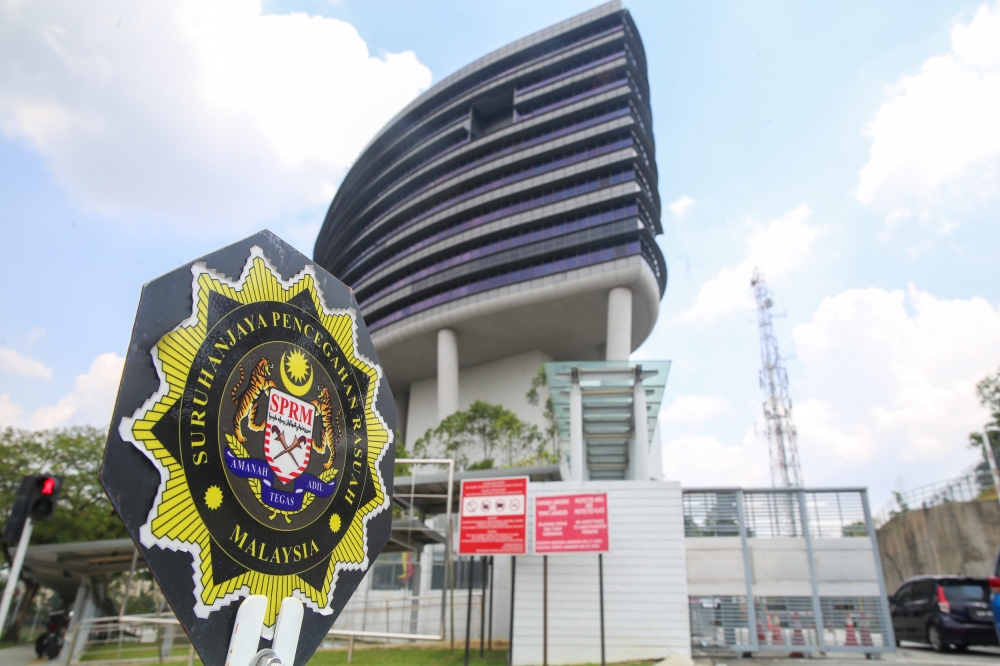
The Malaysian Anti-Corruption Commission has undertaken a significant modernisation of its technical capacity, focusing specifically on developing expertise to identify and authenticate digital content in an era when artificial intelligence can convincingly fabricate audio, video, and documents. This strategic upgrade reflects growing international concern about how deepfake technology and sophisticated manipulation tools pose unprecedented challenges to law enforcement and the integrity of evidence used in criminal proceedings.
Corruption investigations increasingly rely on digital evidence—from financial transaction records to communications and surveillance footage. However, the rapid advancement of AI capabilities means that sophisticated bad actors can now generate convincing counterfeits that might deceive conventional analysis. The MACC's initiative acknowledges that traditional forensic methods, while still relevant, require supplementation with tools specifically designed to detect the digital signatures and artifacts that AI-generated content leaves behind. This represents a fundamental shift in how anti-corruption agencies must approach evidence gathering and authentication.
The expansion of digital forensics capacity addresses a genuine vulnerability in Malaysia's anti-corruption infrastructure. As cases become more complex and the volume of digital evidence expands, the MACC recognised that it could not rely solely on international partners or external laboratories to validate critical evidence. Building in-house capability ensures faster processing times, greater security of sensitive materials, and the ability to conduct investigations with full institutional control. The investment also signals confidence in Malaysian technical expertise and reduces dependence on foreign resources for cases that may involve national security considerations.
Deepfake technology has already demonstrated its potential to interfere with legal proceedings in other jurisdictions. By creating fake recordings of conversations or fabricated video evidence, bad actors could attempt to discredit legitimate investigations or manufacture false accusations. For an anti-corruption commission operating in a complex political environment, the ability to definitively authenticate evidence becomes crucial to maintaining public confidence in the institution's findings. When citizens and stakeholders can see that the MACC possesses world-class verification capabilities, it strengthens the perceived legitimacy of its investigations and makes prosecutions more robust against defence challenges.
The initiative also reflects broader Southeast Asian trends where advanced technology threatens traditional institutional capabilities. Neighbouring countries have similarly grappled with how to adapt law enforcement and regulatory bodies to address AI-driven crimes and evidence manipulation. Malaysia's approach, by investing proactively rather than reactively, positions the MACC ahead of emerging threats and establishes it as a regional leader in anti-corruption expertise. This institutional advancement could eventually support regional cooperation on transnational corruption cases where digital evidence crosses borders.
Implementing effective deepfake detection requires not only sophisticated software and hardware but also properly trained personnel who understand both the technical dimensions and the legal standards required for evidence admissibility. The MACC's investment likely encompasses recruitment and development of specialists in digital forensics, artificial intelligence, and related fields. Building this human capital takes years, but it creates a sustainable advantage over threats that evolve rapidly. Malaysian universities and technical institutions could potentially play supporting roles in providing ongoing training and research partnerships.
The expansion also raises important questions about privacy, data protection, and the scope of digital surveillance that comes with advanced forensic capabilities. As the MACC develops tools to detect manipulated evidence, there will be legitimate public interest in understanding how these technologies are deployed, what safeguards prevent misuse, and how personal data is handled. Transparency about the MACC's forensic capabilities—within appropriate security constraints—helps maintain democratic oversight of the institution and prevents concerns that such tools could be weaponised against political opponents or ordinary citizens rather than employed solely for legitimate anti-corruption work.
The timing of this upgrade reflects accelerating global adoption of artificial intelligence across sectors. Criminals, corrupt officials, and those seeking to obstruct justice are already exploring how AI tools can serve their interests. The MACC's proactive stance demonstrates understanding that modern corruption often involves digital sophistication, from cryptocurrency transactions that obscure money laundering to elaborate schemes coordinated through encrypted communications. By bolstering its technical capacity now, the commission positions itself to handle evolving schemes rather than perpetually chasing technologies that already exist.
International cooperation remains essential to this mission. The MACC can benefit from sharing findings and techniques with anti-corruption agencies in other countries, particularly in developed nations where investment in digital forensics has been substantial. However, Malaysia's investment in domestic capability ensures that the country is not simply importing solutions but developing expertise tailored to local conditions and capable of addressing specific threats within the Malaysian context. This balance between self-reliance and international collaboration strengthens the overall anti-corruption effort.
For businesses and citizens engaged with Malaysia's regulatory environment, the MACC's enhanced digital forensics capacity carries significant implications. Legitimate enterprises should welcome improvements that make it harder for competitors to plant false evidence or corrupt officials to frame innocent people. However, organisations handling sensitive information must also ensure their digital security is robust enough to withstand sophisticated forensic examination and protect against scenarios where their systems might be compromised to create false trails. The arms race between detection and deception in the digital realm means that institutional capability must continuously evolve.

