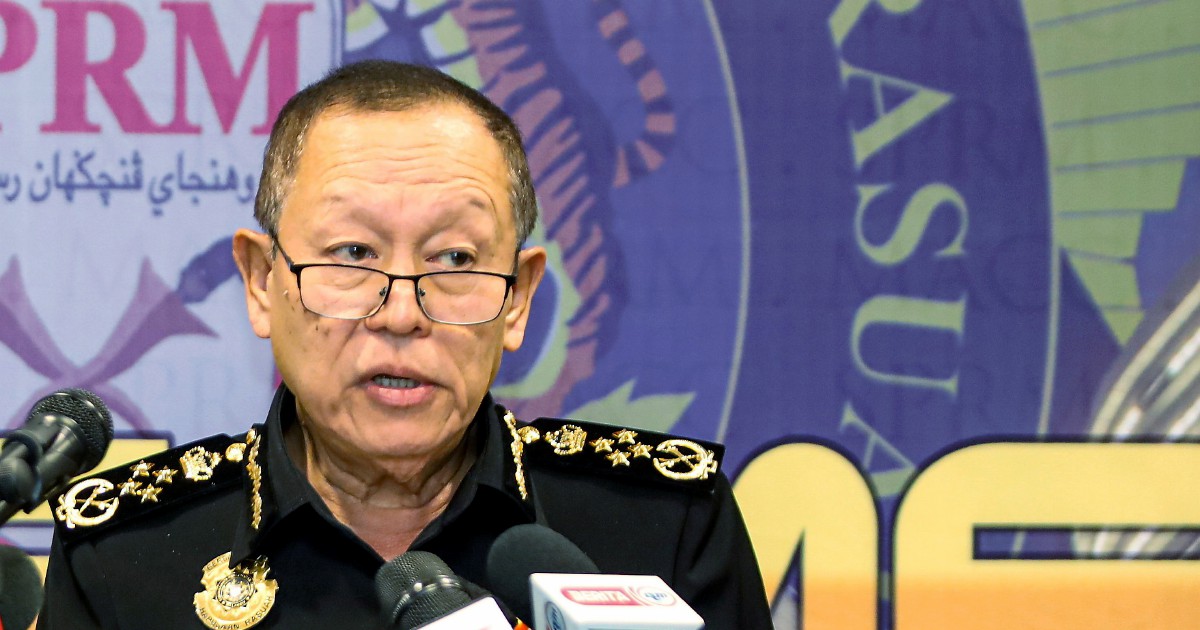
The Malaysian Anti-Corruption Commission (MACC) has formally commenced an investigation into suspected irregularities tied to an RM80 million replanting scheme at the Felda Palong 7 plantation in Wilayah Raja Alias, Negeri Sembilan, marking another chapter in scrutiny of major federal land development projects.
The opening of an official investigation paper signals that corruption investigators have gathered sufficient preliminary information to warrant a full forensic examination of the project's financial and administrative processes. Replanting operations represent substantial undertakings within the Federal Land Development Authority (Felda) portfolio, typically encompassing land rehabilitation, infrastructure upgrades, and operational modernisation across extensive plantation holdings. When such large-scale schemes encounter allegations of discrepancies, they draw regulatory attention given the public resources involved and stakeholder expectations surrounding development initiatives.
Felda Palong 7, situated within Wilayah Raja Alias jurisdiction, represents one of the numerous estates managed under Felda's operational structure across peninsular Malaysia. The location in Negeri Sembilan places the project within a state that has witnessed considerable agricultural transformation in recent decades, with palm oil cultivation remaining significant to local and regional economies. The scale of the investment—RM80 million—underscores the substantial commitment required to sustain productivity and competitiveness in commodity agriculture amid evolving market dynamics and cost pressures.
Replanting initiatives carry particular importance for plantation-based operations, as mature palm trees eventually require replacement to maintain yield levels and extend productive lifespan. These programmes typically entail uprooting existing vegetation, land preparation, acquisition of seedlings, labour deployment, and phased replanting across designated zones. The complexity of such operations creates multiple transaction points where procurement processes, contractor selection, fund disbursement, and compliance mechanisms require rigorous oversight to prevent deviation from approved specifications and budgetary parameters.
The reference to alleged discrepancies suggests investigators are examining whether project execution aligned with original planning documents, tender specifications, and financial allocations. Common areas of concern in such investigations include contractor performance variations, material cost deviations, supply chain irregularities, documentation accuracy, and whether expenditures were properly authorised and recorded. The MACC's involvement indicates the suspected irregularities may extend beyond operational or technical matters into potential misconduct involving financial propriety or administrative irregularities.
For Malaysian stakeholders invested in Felda's trajectory, such investigations reflect broader governance expectations surrounding state-linked enterprises managing substantial public resources. Felda operates across multiple jurisdictions and manages diverse land portfolios, making systemic integrity crucial to maintaining stakeholder confidence and operational legitimacy. Replanting projects particularly merit scrutiny given their capital intensity and extended implementation timelines, which can create extended periods where project parameters might diverge from original intent.
The investigation's timing and scope may have implications for other Felda initiatives, particularly similar-scale replanting programmes elsewhere in the organisation's portfolio. If the Palong 7 investigation uncovers systemic issues or procedural gaps, these findings could inform recommendations for enhanced oversight mechanisms across comparable projects. Regulatory bodies and oversight institutions frequently use individual case investigations to identify patterns that warrant broader institutional reforms.
For the broader Southeast Asian context, Malaysian agricultural development initiatives attract attention from regional observers monitoring governance standards within commodity agriculture. The palm oil sector particularly faces international scrutiny regarding operational practices, environmental stewardship, and financial transparency. State-level initiatives demonstrating robust investigation mechanisms and accountability mechanisms contribute to regional perceptions of institutional integrity in agricultural stewardship.
The MACC's investigation will likely examine documentary evidence, transaction records, contractor submissions, and testimonies from personnel involved in project planning, approval, and implementation phases. Such investigations typically span months, requiring coordination with Felda officials, financial institutions, and external parties who engaged in contractual arrangements with the project. The scope may expand depending on preliminary findings and whether connections emerge to related transactions or personnel.
Stakeholders await the investigation's conclusions, which could clarify whether the RM80 million allocation proceeded according to governance standards or whether corrective actions and accountability measures become necessary. Resolution of such matters carries implications beyond the specific project, influencing broader perceptions of institutional competence and commitment to fiduciary responsibility within Malaysia's development sector. The investigation's progression will provide insight into MACC's investigative capacity and the effectiveness of oversight mechanisms governing large-scale land development initiatives under federal purview.

