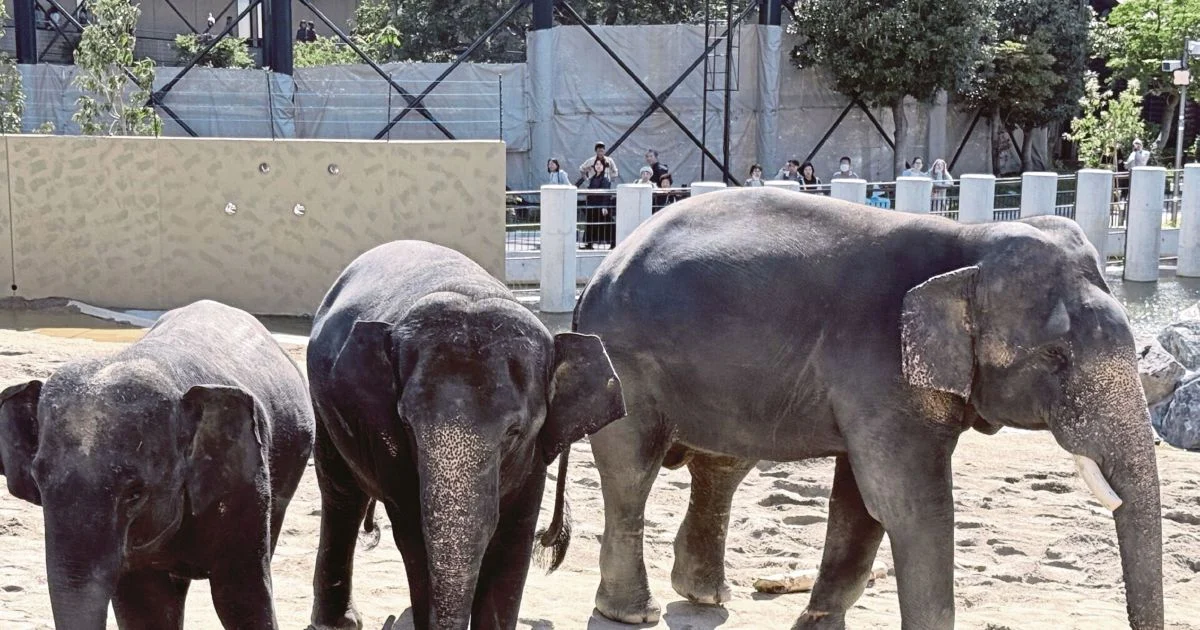
The Malaysian Anti-Corruption Commission (MACC) is examining the circumstances surrounding the transfer of three Asian elephants from Zoo Taiping to Tennoji Zoo in Osaka, Japan, according to official sources. The investigation signals growing scrutiny over how Malaysia's state-owned wildlife facilities manage high-profile animal relocations and whether proper procedures were followed throughout the process.
Zoo Taiping, located in Perak and operated under state government supervision, had housed these elephants for years. The decision to send them abroad raised immediate questions among animal welfare advocates, wildlife officials, and local stakeholders about whether the transfer served legitimate conservation purposes or reflected irregular decision-making. The MACC's involvement indicates authorities suspect possible procedural irregularities or conduct violations during the arrangement and execution of the relocation.
International elephant transfers represent complex undertakings involving veterinary assessments, quarantine protocols, documentation requirements, and diplomatic coordination. Malaysian wildlife authorities must navigate international animal welfare standards, ensure compliance with Convention on International Trade in Endangered Species (CITES) regulations, and maintain transparency regarding public asset management. Any deviation from established protocols could trigger investigation under Malaysia's anti-corruption statutes.
This case touches upon broader governance questions relevant to Southeast Asian nations managing shared wildlife resources. Regional zoos increasingly engage in international breeding programmes and educational exchanges, yet such arrangements demand rigorous oversight to prevent mismanagement or personal benefit. Malaysia's experience with this investigation may influence how other ASEAN countries structure their animal transfer protocols.
The transfer to Tennoji Zoo specifically merits examination given Japan's standing as a major player in global zoo networks and breeding programmes. Japanese facilities operate under strict regulations and international accreditation systems, yet Malaysian authorities must verify that their domestic institutions followed appropriate approval processes and cost-benefit analyses before committing animals to overseas care. Questions likely centre on who authorised the decision, what justifications were provided, and whether financial considerations influenced the outcome.
Zoo Taiping's operational structure places it within state government authority, creating potential gaps between state-level oversight and federal anti-corruption frameworks. The MACC investigation may uncover misunderstandings or conflicting protocols between different governmental layers regarding asset management and animal welfare responsibilities. This jurisdictional complexity could explain why the relocation proceeded if local stakeholders believed proper authority had been obtained.
Public institutions managing wildlife collections bear special responsibilities toward animals under their care and transparency toward taxpayers who fund these facilities. Asian elephants hold significant cultural importance across Malaysia and Southeast Asia, making their welfare a matter of public concern. Any suggestion that transfer decisions prioritised factors other than animal wellbeing would warrant serious investigation.
The investigation's scope remains unclear, but typical areas of focus would include examination of correspondence between Zoo Taiping management and Tennoji Zoo officials, assessment of veterinary reports and transfer costs, and verification that all approval bodies endorsed the relocation. The MACC would seek to establish whether any individual benefited financially or personally from facilitating the transfer, whether proper procurement processes were followed if intermediaries arranged logistics, and whether decision-making bypassed appropriate institutional channels.
This situation also reflects evolving international standards around elephant conservation and captive care. Many wildlife experts now question whether relocation to distant facilities genuinely serves elephants' interests or primarily benefits institutions seeking to diversify their collections. Malaysian authorities investigating this matter may need to determine whether alternative arrangements within Malaysia or closer regional facilities were properly considered before selecting the Japanese option.
For Zoo Taiping, the investigation poses reputational challenges regardless of findings. The facility's management credibility depends upon demonstrating that animal welfare decisions follow transparent, science-based criteria. Even if no wrongdoing occurred, the MACC probe suggests institutional processes lacked the clarity needed to prevent suspicion of impropriety.
Regionally, this case reinforces that Southeast Asian nations increasingly apply anti-corruption scrutiny to government institutions beyond traditional sectors. Wildlife management, previously considered relatively insulated from corruption concerns, now faces the same accountability standards as other state operations. This reflects maturing governance frameworks across ASEAN and growing public demand for institutional transparency.
The investigation's outcome will likely establish important precedents for how Malaysian state facilities handle international animal transfers. Whether findings reveal systematic problems or isolated mistakes, recommendations emerging from this process may reshape protocols across the country's zoo system. Other Southeast Asian nations may also watch carefully, seeking guidance on appropriate oversight mechanisms for their own wildlife programmes.
As the MACC investigation proceeds, Zoo Taiping and relevant state authorities remain obligated to demonstrate that decisions prioritising animal welfare took precedence over convenience or cost considerations. Public confidence in Malaysia's wildlife management ultimately depends upon such institutional accountability.