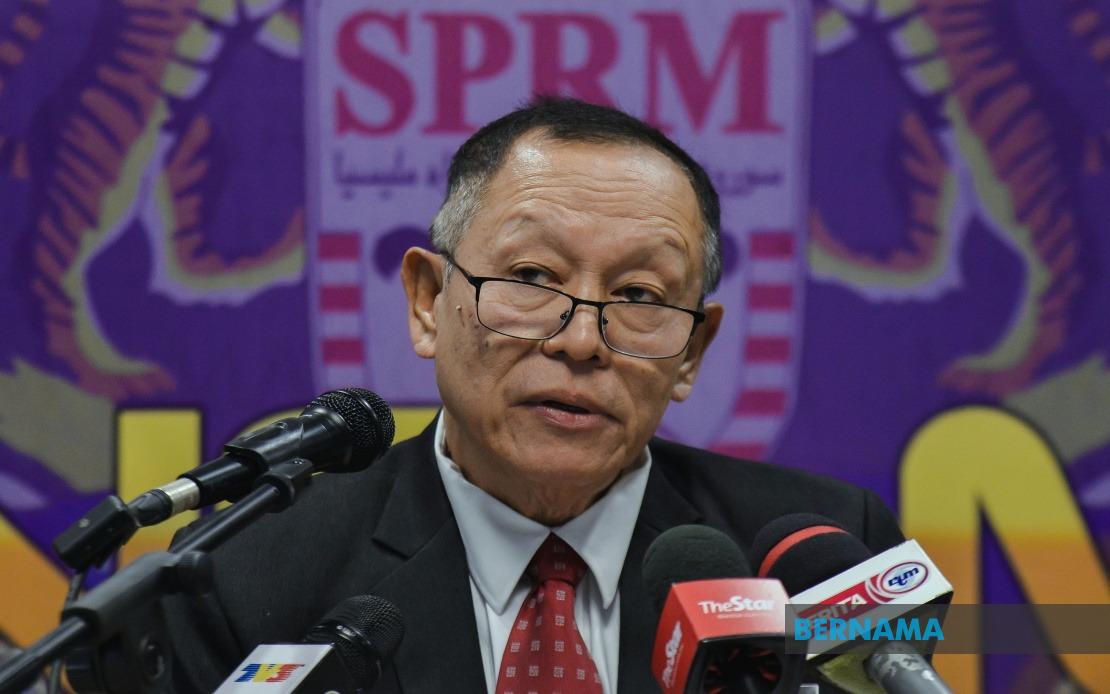
The Malaysian Anti-Corruption Commission has escalated enforcement action against widespread fraud within PERKESO's Daya Kerjaya 2.0 employment incentive programme, launching what officials describe as a comprehensive national operation. The investigation, identified as Ops Daya, has resulted in 81 formal cases being opened across the country, implicating 143 separate companies and nearly 100 individuals accused of submitting false or inflated claims to secure government incentives intended to support workforce development.
MACC Chief Commissioner Datuk Seri Abd Halim Aman disclosed that 98 individuals have been detained in connection with the scheme, of whom 77 remain in custody assisting investigators. The alleged misconduct spans the 2024–2025 funding period and involves approximately 320 workers whose employment histories or qualifications may have been misrepresented. The estimated financial impact stands at roughly RM9 million diverted through false claims, representing a significant leakage of public resources intended to strengthen Malaysia's employment sector and worker protections.
Investigations are proceeding under Section 18 of the MACC Act 2009, granting prosecutors broad investigative authority for corruption-related offences. Of the 81 cases currently active, 69 have already moved beyond the investigation phase, with prosecutors recommending formal charges against the agents, companies and individuals involved. A single investigation paper remains open as authorities continue searching for a key suspect believed to hold critical information about the broader scheme. Five additional cases have been closed without further action, suggesting investigators found insufficient evidence to proceed with prosecutions in those instances.
The magnitude of the investigative footprint extends well beyond those formally charged. The MACC has recorded detailed statements from 724 individuals to map the networks and methodologies used to defraud PERKESO. Financial investigators have frozen 36 company bank accounts that collectively held RM463,076, preventing further asset dispersal while prosecution proceeds. Additionally, authorities have seized physical assets including cash, precious metals, and other valuables worth RM74,168, material that may have been acquired through the scheme or constitute evidence of proceeds from fraud.
Notably, the MACC has signalled a strategic shift in its approach to institutional reform, prioritising governance strengthening over punitive action against PERKESO itself. Rather than launching enforcement proceedings against the Social Security Organisation for apparent weaknesses in its approval mechanisms, the commission intends to deploy advisory support and technical assistance. This reflects recognition that systemic vulnerabilities in disbursement procedures and oversight created opportunities for fraudsters to exploit the programme, and that remediating these gaps requires collaborative institutional development.
The agency has established a dedicated governance investigation component examining the underlying control weaknesses. Six investigation papers have been formally referred for Governance Examination Papers assessment, a diagnostic process designed to identify specific failures in PERKESO's practices, systems and operational procedures. This structured review will produce recommendations for strengthening internal controls, verification protocols and fund recovery mechanisms. Datuk Seri Abd Halim emphasised that governance deficiencies were significant contributing factors, suggesting that stronger institutional frameworks might have prevented much of the fraud.
In response to the exposure, PERKESO has proactively sought to engage the MACC's integrity architecture at the institutional level. The organisation has formally requested that the commission station a dedicated Integrity Officer at its premises, a position that did not previously exist within the agency. This officer will serve as an embedded liaison between PERKESO's operations and the MACC's governance expertise, providing real-time advisory input on governance risks and supporting the development of enhanced internal safeguards. The commission has committed to deploying this resource imminently, reflecting PERKESO's acknowledgment that institutional capacity for identifying and preventing fraud requires external professional support.
The broader implications of this case extend across Malaysia's network of government agencies and statutory bodies administering development and incentive programmes. The Daya Kerjaya 2.0 scheme represents one of several significant government initiatives designed to support employment, workforce training and social security objectives. The discovery of such extensive fraud—involving sophisticated networks of agents, companies and individuals—suggests that similar vulnerabilities may exist elsewhere within the public sector's incentive architecture. The MACC's willingness to assist other agencies with governance strengthening signals a proactive institutional approach to preventing future leakages.
For Malaysian businesses and employment sector stakeholders, this operation underscores the commitment of anti-corruption authorities to protect public resources allocated for genuine workforce development. Legitimate employers participating in PERKESO's incentive schemes may face increased scrutiny and documentation requirements, but such measures should ultimately strengthen programme integrity and ensure that subsidies reach genuine beneficiaries. The investigation also reflects evolving sophistication among enforcement agencies in detecting orchestrated fraud networks that span multiple companies and jurisdictions, utilising complex administrative mechanisms to obscure illicit transfers.
The detention and investigation of 98 individuals and 143 companies represents a substantial deployment of investigative capacity. This scale indicates that authorities view the Daya Kerjaya 2.0 fraud as a systemic rather than isolated problem, warranting comprehensive action across multiple fronts simultaneously. The geographic spread of cases across the nation suggests that fraudulent claiming patterns penetrated widely into Malaysia's employment and business sectors, rather than being concentrated in specific regions or industries.
Moving forward, the intersection of enforcement and governance reform will be critical to the outcome. Prosecution of those charged must establish clear consequences for defrauding public employment programmes, deterring future opportunism. Simultaneously, institutional reforms at PERKESO must close the procedural gaps that enabled these schemes to succeed initially. The deployment of an Integrity Officer and governance examination findings should catalyse more robust verification processes, clearer audit trails and faster fraud detection mechanisms.
The case also highlights the importance of inter-agency collaboration and the role that anti-corruption bodies can play beyond prosecution. By positioning itself as a governance improvement partner to PERKESO and other agencies, the MACC is addressing the supply-side factors that make fraud possible. This preventive orientation, combined with aggressive investigation and prosecution of fraudsters, represents a more comprehensive approach to protecting public resources than enforcement action alone. For regional observers and neighbouring Southeast Asian economies facing similar challenges in administering employment and social development programmes, the Malaysian model offers insights into both the vulnerabilities inherent in incentive schemes and the institutional responses required to strengthen them.

