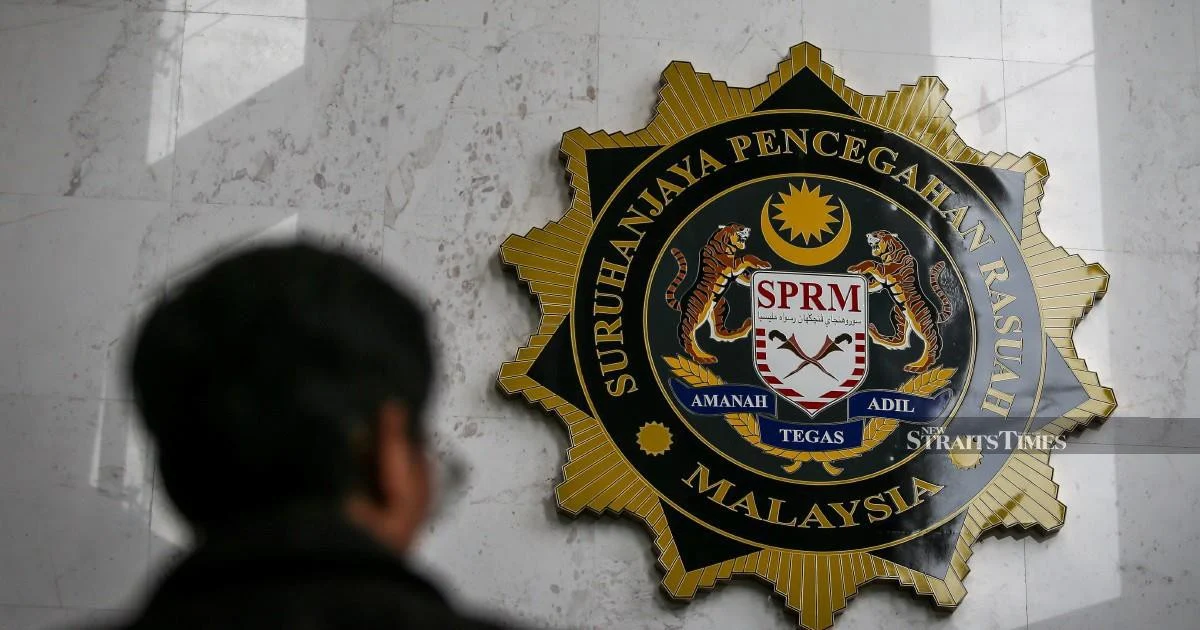
The Malaysian Anti-Corruption Commission has rolled out a comprehensive anti-corruption framework for the 16th Johor state election, establishing five strategically positioned operation rooms across the state to provide round-the-clock channels for reporting alleged electoral misconduct. These dedicated units represent a significant enforcement initiative aimed at maintaining electoral integrity during one of Malaysia's key state contests, reflecting heightened vigilance around potential graft and official abuse during the voting process.
The decision to deploy five separate operation rooms underscores the MACC's commitment to ensuring accessible complaint mechanisms for voters and observers throughout Johor during the election campaign. By distributing these units geographically across the state, the commission enables residents from various districts to report concerns without excessive travel, thereby lowering barriers to participation in anti-corruption enforcement. This decentralised approach recognises Johor's size and population diversity, ensuring that allegations can be lodged conveniently across urban, suburban, and rural constituencies.
The 24-hour operational model reflects a critical shift in Malaysian election monitoring, acknowledging that corrupt practices often occur outside standard business hours. Campaign activities frequently extend into evenings and early mornings, particularly during intensive periods of voter engagement and canvassing. By maintaining continuous operations, the MACC signals its determination to capture allegations at any time, rather than limiting oversight to conventional daytime windows that might miss significant misconduct or allow opportunities for malfeasance to proceed undetected.
The commission's emphasis on enabling public reporting during the election period highlights the role of citizen vigilance in combating electoral corruption. Rather than relying solely on investigators detecting violations independently, the MACC has recognised that voters, community leaders, and election observers often witness irregularities firsthand. By actively soliciting these reports and providing multiple accessible channels, the commission amplifies its investigative capacity and extends its reach into local communities where many corrupt transactions occur beyond official visibility.
Electoral corruption presents particular challenges in Malaysian politics, encompassing vote-buying, intimidation, bribery of officials, and misuse of government resources for partisan advantage. The concentration of these violations during campaign periods makes temporary enforcement surges essential for maintaining electoral fairness. The MACC's operation room strategy acknowledges that standard investigations initiated after polling day may prove insufficient to address in-the-moment violations or to preserve evidence that deteriorates quickly. Contemporaneous reporting mechanisms enable swifter intervention and evidence collection.
Johor's significance as Malaysia's second-largest state by population and economic importance elevates the political stakes surrounding its elections. The state has historically been a stronghold for the Barisan Nasional coalition, yet changing political dynamics have made recent Johor contests increasingly competitive. This context makes robust anti-corruption oversight particularly valuable, as allegations of electoral impropriety can amplify voter distrust and potentially influence tight electoral margins. The MACC's visible commitment to monitoring the 16th state election signals institutional determination to maintain contest legitimacy regardless of political outcomes.
The operation rooms represent not merely reactive complaint-taking infrastructure but active enforcement presence within electoral spaces. Their physical existence throughout Johor during the campaign period demonstrates official commitment to scrutinising campaign conduct and creates deterrent effects on potential wrongdoers who recognise heightened monitoring. Politicians and party operatives aware of five operational MACC units accepting real-time complaints throughout the state face increased costs for attempting corrupt practices, as evidence and witness accounts can be immediately documented by anti-corruption officials.
The mechanics of complaint management during elections remain critical to the operation rooms' effectiveness. The MACC must establish clear procedures for triaging allegations, distinguishing between serious potential violations requiring urgent investigation and complaints that may involve misunderstandings or partisan grievances. Training staff to handle the anticipated volume of reports while maintaining investigative quality presents logistical challenges that will test the commission's preparedness. The 24-hour model requires rotating personnel, sustained alertness during overnight hours, and coordination with police and electoral officials who may need to act on urgent reports.
Transparency concerning operation room locations, contact procedures, and complaint handling protocols becomes essential for public confidence in these mechanisms. Voters must understand how to lodge reports, what information to provide, and how the MACC will respond to allegations. Inadequate publicity surrounding the operation rooms risks their remaining underutilised despite their intended value. Public awareness campaigns targeting various demographic groups, conducted through multiple media channels, would enhance accessibility and ensure that operation room resources reach citizens most likely to witness electoral violations.
The establishment of dedicated anti-corruption infrastructure for Johor's 16th state election reflects broader Malaysian efforts to professionalise electoral administration and combat institutional corruption. These measures acknowledge that clean elections require active enforcement presence, not merely passive regulatory frameworks. As Malaysian electoral competitiveness increases and parties contend more fiercely for voter support, risks of corrupt inducements and official misconduct simultaneously escalate. The MACC's operation room deployment represents institutional adaptation to these evolving electoral dynamics.
Comparable approaches deployed in previous Malaysian elections provide partial lessons regarding operation room effectiveness, though each contest presents unique circumstances requiring tailored responses. The MACC must capitalise on experience gained during earlier initiatives while remaining alert to emerging corrupt practices that previous election cycles may not have anticipated. The five Johor operation rooms thus represent both continuity in electoral oversight strategy and potential innovation as the commission refines its techniques for maintaining electoral integrity during competitive state contests.
For Malaysian voters and political observers, the MACC operation rooms signal that electoral authorities take corruption concerns seriously and welcome citizen participation in enforcement efforts. This collaborative approach recognises that sustained electoral integrity requires not merely institutional action but also grassroots vigilance from engaged citizens who care deeply about fair competition. By actively facilitating public reporting throughout the Johor campaign period, the MACC invites voters to become active participants in defending electoral legitimacy rather than passive recipients of election outcomes.

