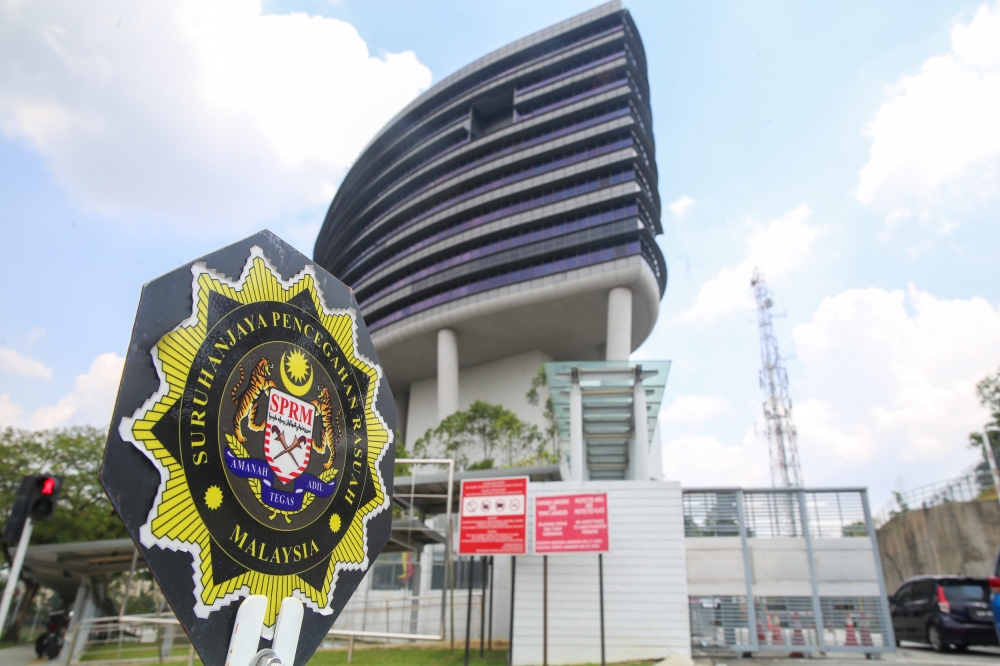
The Malaysian Anti-Corruption Commission has made a direct appeal to the nation's top civil service administrators, urging them to establish robust mechanisms for shielding those who come forward with corruption allegations. This initiative reflects MACC's recognition that effective whistleblower protection is fundamental to uncovering misconduct within government agencies and strengthening Malaysia's international reputation for tackling graft.
The commission's outreach to ministry secretaries-general underscores a strategic understanding that institutional safeguards must be embedded across the entire public sector apparatus. By engaging directly with the heads of government departments, MACC seeks to create a culture where civil servants feel secure reporting irregularities without fear of retaliation, professional marginalisation, or other adverse consequences. This decentralised approach acknowledges that each ministry operates within unique bureaucratic contexts and must tailor protections accordingly.
Malaysia's ranking on the Transparency International Corruption Perception Index has become an increasingly important metric for the government. The index measures perceptions of public sector corruption across countries and carries significant weight in global assessments of institutional integrity. A higher CPI ranking translates into improved investor confidence, enhanced diplomatic standing, and reinforced commitments to international governance standards. The correlation between effective whistleblower protections and improved CPI scores is well-established internationally—countries that demonstrate genuine safeguards for those reporting corruption tend to score higher.
The timing of MACC's initiative reflects broader momentum within Malaysian governance circles to demonstrate tangible progress on anti-corruption measures. International investors and development partners increasingly scrutinise transparency standards when considering capital deployment or partnership arrangements. For a country competing for foreign direct investment and regional economic influence, improvement in corruption perception metrics carries practical economic implications beyond symbolic significance.
Whistleblower protection frameworks serve multiple enforcement functions within anti-corruption architecture. When public servants can report irregularities without jeopardising their careers, more information reaches MACC investigators, enriching the evidentiary foundation for prosecutions. Additionally, the knowledge that credible reporting mechanisms exist acts as a deterrent to potential wrongdoers who recognise that misconduct is more likely to be detected. This dual mechanism—improved detection plus prevention through deterrence—creates compounding benefits for institutional integrity.
The Malaysian context presents particular challenges for whistleblower protection. Public sector culture traditionally emphasises hierarchical deference and institutional loyalty, creating powerful social pressures against reporting irregularities through formal channels. Workers fear career stagnation, assignment to undesirable postings, or informal ostracism from colleagues. MACC's engagement with ministry secretaries-general seeks to counteract these institutional barriers by establishing explicit, formalised protections that supersede informal workplace dynamics.
International best practices offer Malaysia a template for comprehensive whistleblower safeguards. Jurisdictions with high CPI ratings typically implement multi-layered protections including anonymity guarantees, prohibition of retaliatory action, whistleblower assistance programmes, and independent oversight mechanisms. Some nations establish dedicated ombudsman offices or independent review panels to ensure that those reporting misconduct receive fair treatment and that allegations are investigated thoroughly. Malaysia might draw on these models while adapting provisions to suit local administrative structures.
The MACC's role as an independent enforcement agency positions it uniquely to champion whistleblower protections, though ultimate implementation authority rests with ministry leadership. This creates an important dynamic where MACC provides technical guidance and legitimacy while secretaries-general retain responsibility for embedding protections within their operational frameworks. The collaborative approach recognises that sustainable institutional change requires buy-in from those managing day-to-day administrative processes.
Regional comparisons underscore the strategic importance of this initiative. Several Southeast Asian neighbours have made notable strides in developing whistleblower protections, and Malaysia's international standing within the region partly depends on matching or exceeding such efforts. Potential civil servants considering career options may factor institutional transparency and protection mechanisms into location decisions, making these provisions relevant to workforce development and institutional capacity-building.
The connection between whistleblower protections and CPI performance extends beyond mechanical correlation. Transparency International explicitly factors the viability of reporting channels and protection frameworks into its assessment methodology. Countries demonstrating weak safeguards for those raising concerns receive lower scores regardless of official anti-corruption rhetoric. Conversely, nations with credible, well-publicised protection systems gain perception points reflecting genuine structural commitment to accountability.
Implementing ministry-level protections creates administrative infrastructure supporting longer-term cultural transformation. Initial scepticism from civil servants accustomed to traditional hierarchical reporting may gradually erode as protected whistleblowers demonstrate that formal channels deliver results without personal consequences. Success stories, even when confidential, circulate informally through institutional networks, gradually shifting expectations about acceptable reporting avenues.
MACC's initiative represents calculated investment in systemic foundation-building rather than short-term publicity gestures. Meaningful CPI improvement requires demonstrable institutional changes reflected in observable enforcement activity and procedural reforms. By working with ministry secretaries-general to establish protection frameworks, MACC addresses the fundamental prerequisite enabling sustained anti-corruption capacity growth throughout Malaysia's government sector.

