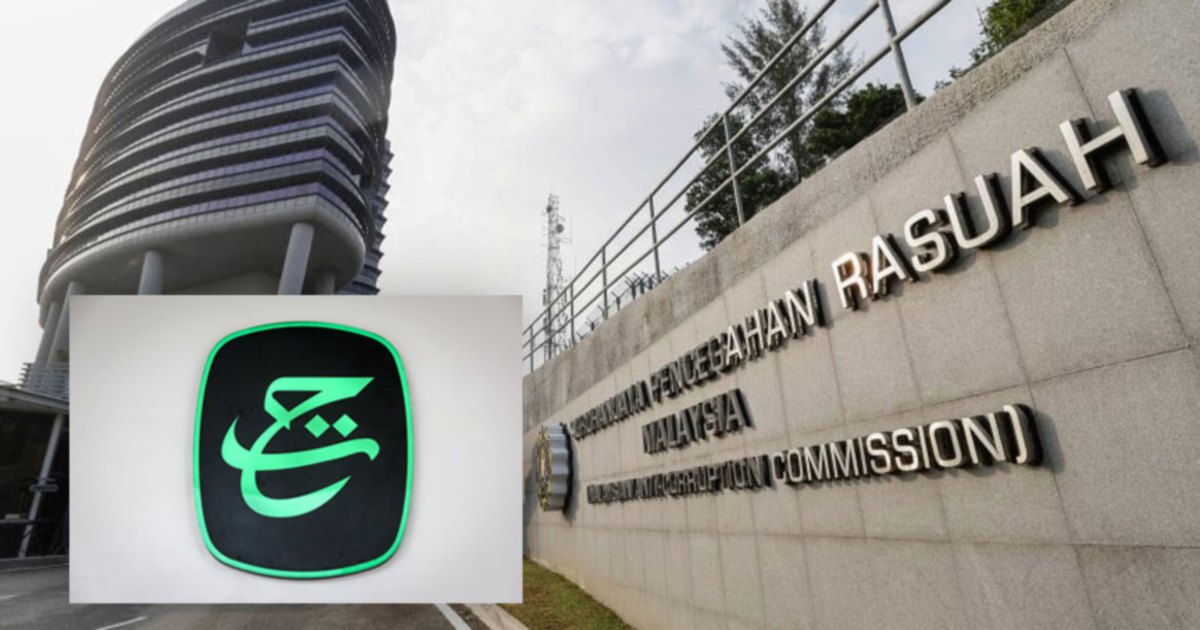
The Malaysian Anti-Corruption Commission has placed a former chief executive officer of Tabung Haji on its investigative agenda, with sources indicating that a formal summons is imminent. The move follows the release of a Royal Commission of Inquiry report that examined the management and operations of the Islamic pilgrimage fund, which has faced mounting scrutiny over its financial health and governance practices in recent years.
Tabung Haji, Malaysia's most prominent institution for Muslims saving for the hajj pilgrimage, has become the subject of intense public and regulatory attention. The fund manages billions in savings from nearly 9 million members and holds significant assets across multiple sectors of the Malaysian economy. The Royal Commission's investigation was initiated to address longstanding concerns about how the institution has deployed member contributions and the decision-making processes that guided major financial commitments during a period when the fund's value faced considerable pressure.
The targeting of a former chief executive reflects the MACC's determination to establish whether decisions taken at the highest levels of management violated established protocols or principles of public financial stewardship. The commission typically pursues such matters when preliminary evidence suggests that officials may have acted in ways that benefited themselves or favoured certain parties at the expense of the broader membership or institutional interests. Given Tabung Haji's status as a statutory body entrusted with public funds, any findings of misconduct carry significant implications for Malaysia's governance framework.
The RCI report, which the MACC has now reviewed, apparently contains findings or recommendations that have prompted the anti-corruption body to view a formal interrogation as necessary. Such reports typically detail the sequence of decisions, the parties involved, and the outcomes that flowed from specific administrative choices. The MACC's decision to summon a former executive suggests the inquiry identified matters sufficiently concerning to warrant criminal investigation rather than merely administrative remedies.
For Malaysian investors and ordinary members of Tabung Haji, the investigation underscores vulnerabilities in how major financial institutions can operate with insufficient oversight. The fund's challenges have already affected its capacity to deliver expected returns to contributors, with members increasingly aware that their retirement and pilgrimage savings may not grow as anticipated. A finding of corruption at senior management levels would deepen public confidence deficits and potentially trigger demands for systematic reform in governance structures.
The summons also reflects broader patterns in Malaysia's anti-corruption efforts. The MACC has become more assertive in pursuing white-collar investigations involving statutory bodies and government-linked entities, particularly when substantial public assets are involved. However, the timing and thoroughness of such investigations remain subject to political considerations, and the eventual outcomes depend on the strength of evidence and the willingness of prosecuting authorities to pursue cases through Malaysia's court system.
Tabung Haji's difficulties have been compounded by volatile investment returns and questions about portfolio management decisions made during periods of economic uncertainty. The institution made several major commercial ventures that did not yield expected profits, and member confidence eroded as the fund's asset value declined relative to total liabilities. These operational challenges created a political imperative for investigation, as numerous members and opposition politicians demanded accountability for what they viewed as poor stewardship.
The anticipated MACC summons represents a critical juncture for Tabung Haji's institutional reputation and governance trajectory. If the investigation results in criminal charges, it would mark the first major corruption case involving Tabung Haji's top management in years, signalling that even prominent Islamic institutions are not insulated from accountability mechanisms. Conversely, if the investigation concludes without charges, it may suggest that the RCI findings pointed to administrative failures rather than criminal wrongdoing, though such an outcome could also fuel perceptions of weak enforcement against powerful officials.
For Southeast Asian observers, the Tabung Haji case illustrates challenges common across the region: ensuring that religious or community-based financial institutions maintain rigorous governance standards, preventing the concentration of unchecked power among senior executives, and establishing clear accountability when public assets underperform. Several Muslim-majority nations in Southeast Asia operate similar pilgrimage funds and face comparable governance questions, making Malaysia's handling of this matter instructive for regional regulators and policymakers.
The coming interrogation will likely explore specific investment decisions, approval processes, communications among senior management, and the involvement of external parties in major commercial transactions. MACC investigators typically seek evidence of personal benefit, nepotism, abuse of discretionary authority, or collusion with third parties. The former chief executive's responses, combined with documentary evidence already gathered, will substantially shape whether the investigation advances to prosecution or concludes at the inquiry stage.
Stakeholders are now watching closely for signals about when the summons will be formally issued and what specific conduct the MACC intends to address. The pace and visibility of the investigation will send important messages about the seriousness with which Malaysia treats corruption allegations involving major financial institutions. Member confidence in Tabung Haji's future depends substantially on demonstrable accountability for past missteps and credible assurance that governance weaknesses have been remedied.

