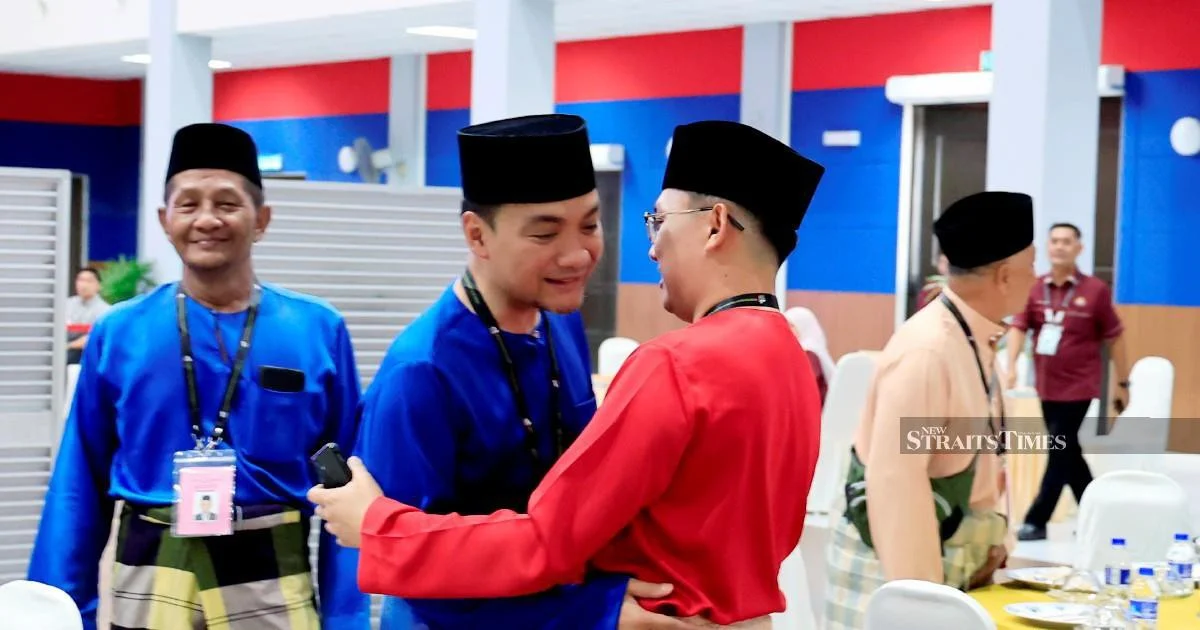
The Machap state assembly seat in Johor will witness an intensely focused two-way battle when caretaker Menteri Besar Datuk Onn Hafiz Ghazi seeks to maintain his grip on the constituency. His opponent will be Nur Hafiz, who carries the backing of the Pakatan Harapan coalition. The absence of third-party candidates creates a binary contest that will likely define the contest's outcome.
Onn Hafiz, who holds the executive position of Menteri Besar during the election period, carries the advantage of incumbency and the machinery of state government behind him. His tenure in the leadership role gives him significant visibility and resources to campaign across his constituency. The caretaker status means he remains functionally in charge while the state navigates the electoral process, providing him with a platform to articulate his government's achievements and vision for Machap.
For Pakatan Harapan, fielding Nur Hafiz in this seat represents a strategic decision to challenge BN's hold on what has been considered a competitive battleground. The opposition coalition's choice of candidate reflects their assessment of where they can effectively contest and potentially gain ground. Nur Hafiz will need to articulate a compelling alternative vision to voters weary of or disappointed with the current administration's performance.
The straight contest format fundamentally alters the electoral mathematics compared to multi-cornered fights. In Machap, voters will not be distracted by fringe candidates or splinter parties seeking protest votes. Both candidates will receive concentrated scrutiny from voters, media, and political observers. This dynamic typically favours whichever candidate can mobilise their core supporters more effectively, as splitting votes across multiple choices becomes impossible.
Johor's electoral landscape has shifted considerably in recent election cycles. The state has been a traditional stronghold for Barisan Nasional, yet Pakatan Harapan has made inroads in several constituencies, particularly in areas with younger demographic profiles and urban-suburban characteristics. Machap will serve as a barometer for how both coalitions' messages are resonating across different voter segments in the state.
The confirmatory timing of Machap as a straight contest comes during a broader period of candidate announcements across Johor. Political parties have been deliberating their selection strategy, balancing incumbency protection with the need to appeal to swing voters. The decision to contest Machap signals both BN and PH believe this seat is winnable and worth their organisational resources.
For Onn Hafiz personally, retaining Machap is essential to his political viability as he aspires to continue leading the state. Losing his own seat while holding the Menteri Besar position would be catastrophic to his credibility and could trigger political instability. His campaign in Machap will therefore likely carry heightened intensity as he fights not just for his seat but for validation of his leadership. He will need to deliver a compelling narrative about why his continued stewardship benefits Machap's residents specifically, beyond state-level accomplishments.
The constituency holds symbolic importance within Johor politics. Electoral contests in key seats often become testing grounds for broader coalition narratives. Machap's result could influence momentum heading into the final days of campaigning and provide insights into which coalition's messaging is cutting through to voters. A comfortable win for either candidate would signal dominance in that constituency type, while a narrow victory could suggest vulnerability.
Nur Hafiz faces the challenge of convincing voters that Pakatan Harapan offers a credible alternative governance model despite opposition coalition's mixed track record at federal and state levels in previous years. He will need to address specific local grievances and articulate what his coalition can deliver differently. The absence of other candidates means every voter interaction and campaign event carries greater weight in determining the outcome.
The straight fight also places pressure on both campaigns to avoid significant mistakes or embarrassing incidents. In a two-person race, negative publicity about either candidate travels faster and resonates more deeply with voters. Campaign discipline and consistent messaging become even more critical when alternative voting options do not exist for disappointed supporters.
As Johor heads toward its election, Machap has emerged as one of the contests with the clearest ideological and personality clash between the coalitions. Both candidates will be investing heavily in grassroots mobilisation, media presence, and personal voter engagement. The outcome in Machap will carry implications for understanding how different voter demographics across Johor are leaning, providing data points for analysts and political strategists monitoring the state's electoral trajectory.
The confirmation of a straight contest between Onn Hafiz and Nur Hafiz transforms Machap into a quintessential battle of incumbency versus change. Voters in the constituency will have clarity about their choices, and the electoral contest will likely produce a decisive mandate rather than a fractured result. This direct confrontation between BN and PH's chosen representatives encapsulates the broader struggle unfolding across Johor during this electoral cycle.

