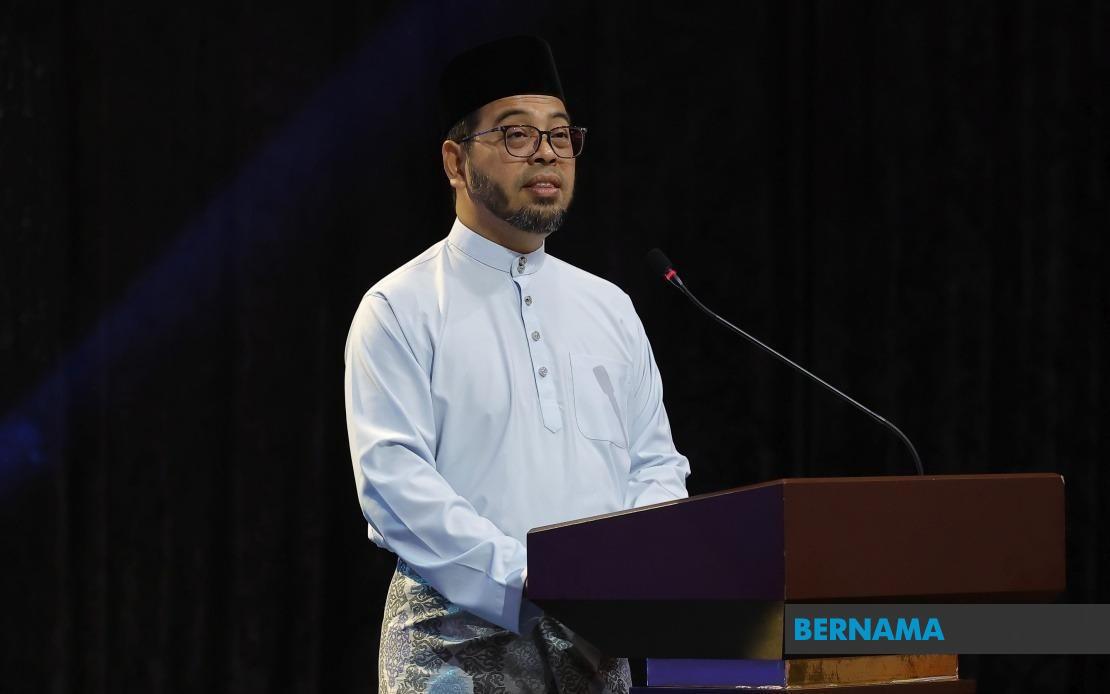
The government has reaffirmed its commitment to bolstering tahfiz education throughout the country, positioning it as a vital educational pathway that operates in tandem with conventional schooling structures. Religious Affairs Minister Dr Zulkifli Hasan made this declaration at the 34th Darul Quran (DQ) JAKIM convocation ceremony in Kuala Lumpur, signalling renewed focus on Islamic educational institutions as integral components of Malaysia's broader learning ecosystem.
Under the MADANI framework, tahfiz education extends far beyond the traditional image of Quranic memorisation. Instead, the government views these institutions as developmental centres that cultivate well-rounded citizens equipped with academic knowledge, robust moral foundations, and practical competencies. This expanded vision recognises that hafiz graduates serve crucial roles across diverse sectors of society, from judicial and educational positions to research, administration, and professional fields. By framing tahfiz education this way, policymakers are attempting to address persistent perceptions that religious education narrows career prospects, thereby encouraging broader participation and legitimising these pathways within Malaysia's meritocratic employment landscape.
The milestone being celebrated—Darul Quran's 60th anniversary since its 1966 establishment—provides strategic context for this renewed commitment. Over six decades, the institution has achieved a remarkable record, producing 12,633 hafiz who have dispersed throughout government agencies, courts, universities, and private enterprises. This longevity and scale of alumni network demonstrate that tahfiz education, when properly resourced and integrated with modern curriculum frameworks, can sustain itself as a credible educational option. The institution's proven capacity to generate employment-ready graduates lends weight to ministerial claims that tahfiz can develop alongside—rather than separate from—mainstream education.
The Diamond Jubilee ceremony's presentation of 700 newly qualified graduates illustrates the scale and diversity of programmes now offered through such institutions. The cohort comprised 37 Bachelor's degree holders produced through collaboration with Universiti Sains Islam Malaysia (USIM), alongside 454 diploma recipients, 204 certification graduates, and five basic certificate holders. This structural diversity—combining undergraduate qualifications with vocational and specialised certifications—reflects deliberate institutional redesign aimed at accommodating different student capabilities and career aspirations. The inclusion of university-level degrees particularly signals integration with Malaysia's higher education ecosystem, making tahfiz education more accessible to students seeking conventional degree credentials alongside religious knowledge.
For Malaysian readers, this policy direction carries several implications. First, it signals government willingness to invest in Islamic education infrastructure beyond token gestures, positioning tahfiz institutions as legitimate recipients of educational funding and policy attention. Second, the emphasis on character development and national contribution frames Islamic education not as parallel or oppositional to secular progress, but as complementary—addressing a persistent concern among parents worried about their children's employability. Third, the articulation of diverse career pathways for hafiz graduates may encourage middle-class families to consider tahfiz schooling as a viable option, potentially reshaping enrolment patterns in these institutions.
Regionally, Malaysia's approach to tahfiz integration reflects broader Southeast Asian trends in recalibrating Islamic education's role within modern nation-states. Unlike approaches that treat religious and secular education as competing systems, the MADANI framework attempts to create permeable boundaries. This contrasts with historical separation in Malaysia itself, where tahfiz and mainstream schooling often operated as distinct tracks. The policy thus represents quiet but significant repositioning of Islamic institutions from supplementary to mainstream educational infrastructure.
Minister Zulkifli's invocation of building "the next 60 years with greater excellence" suggests the government envisions substantial expansion and enhancement of these institutions. This could imply increased budgetary allocation, curriculum modernisation, teacher training investments, and perhaps integration of technology and contemporary pedagogical approaches. The language of "transformation" hints at structural reforms beyond incremental improvement, though specific mechanisms remain unstated. For stakeholders in Islamic education, these signals provide justification for planning longer-term developments and seeking partnerships with government and tertiary institutions.
However, the policy announcement also raises questions about implementation and resource allocation. Strengthening tahfiz education alongside mainstream schooling requires careful balance to ensure neither system is shortchanged. Malaysia's public education budget remains constrained relative to needs, and any significant investment in tahfiz expansion must navigate political sensitivities surrounding religious education spending. Additionally, concerns about standardisation, teaching quality, and curriculum rigour across dispersed tahfiz institutions require systematic attention that policy statements alone cannot address.
The government's emphasis on producing graduates who "contribute to national development" reflects pragmatic recognition that education's ultimate value lies in human capital formation. By explicitly connecting tahfiz education to economic and social productivity, policymakers attempt to counter narratives framing Islamic education as economically marginal or socially divisive. This reframing is particularly important in Malaysia's plural society, where education policies carry significant symbolic weight regarding national priorities and minority rights.
Looking forward, the success of this integrative approach depends on execution across multiple institutional levels. Universities like USIM must expand collaborative programmes. Secondary schools must provide clear pathways for tahfiz graduates entering conventional employment markets. Employers must actively recruit hafiz graduates, validating their qualifications. Most critically, tahfiz institutions themselves must maintain rigorous standards while adapting curricula to contemporary relevance—a difficult balance that excellence in traditional religious education does not automatically provide. The convocation's celebration of 12,633 alumni speaks to past achievement, but sustaining and scaling such outcomes amid rapid educational change presents continuing challenges that require sustained policy attention and resource commitment beyond symbolic affirmation.

