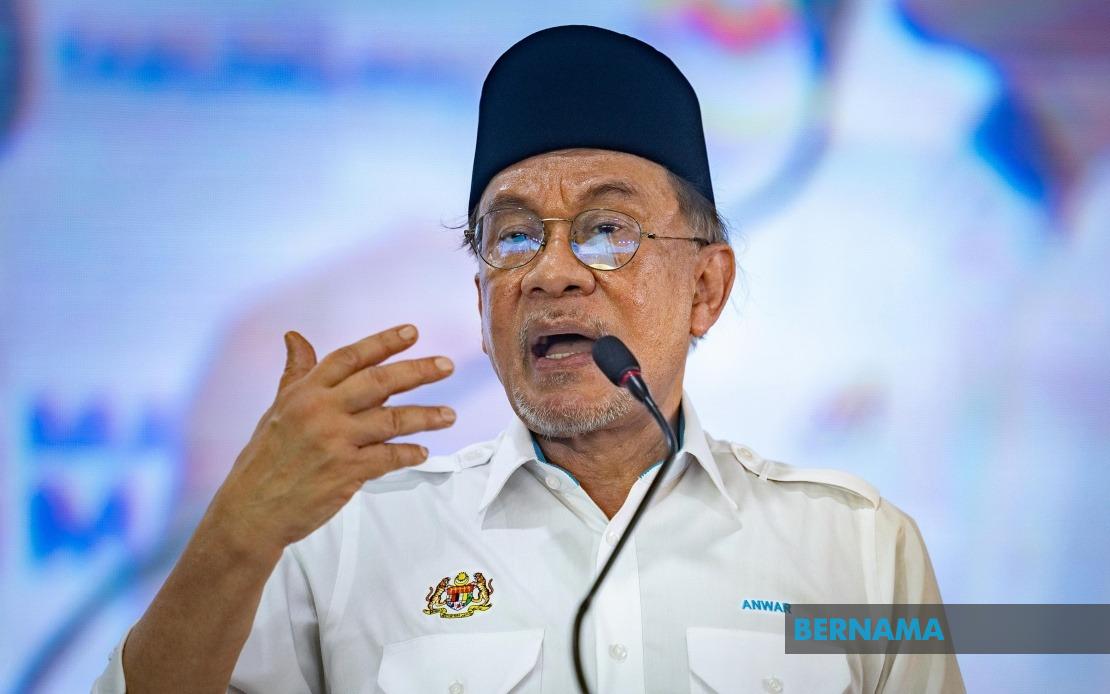
Prime Minister Datuk Seri Anwar Ibrahim has pledged the MADANI Government's continued dedication to advancing religious and pondok schools across the country, positioning these institutions as vital components of Malaysia's educational landscape. Speaking at the 2026 Perak Pondok and Religious Schools Gathering in Ipoh on July 19, Anwar stressed that upgrading these educational establishments remains a priority for his administration, contingent upon the nation's ongoing economic stability and sustained health.
The Prime Minister acknowledged a historical paradox facing Malaysia's pondok school sector. While these Islamic boarding institutions once served as essential educational anchors in their communities, they gradually lost relevance as rapid societal changes outpaced their curriculum development. The inability to incorporate contemporary academic fields meant pondok schools fell behind mainstream educational institutions, creating a widening gap between traditional Islamic scholarship and modern knowledge domains. This stagnation risked marginalising an educational system that has deep cultural roots and continues to influence Islamic thought across Southeast Asia.
Anwar expressed particular admiration for religious teachers, pondok school administrators, and tok guru—traditional Islamic scholars—who have demonstrated flexibility and forward-thinking despite institutional constraints. These educators have managed to preserve classical Islamic texts and religious traditions while simultaneously showing willingness to embrace emerging disciplines such as computer technology and artificial intelligence. This adaptive approach represents a conscious effort to reconcile Islamic pedagogy with contemporary requirements, ensuring that graduates possess both spiritual grounding and practical skills demanded by modern employment markets.
The government has mobilised institutional support through strategic partnerships aimed at modernising religious schools. Malaysia Digital Economy Corporation (MDEC) and the Implementation Coordination Unit (ICU) within the Prime Minister's Department have been instrumental in collaborating with these institutions to improve their operational standards and technological capabilities. These agencies serve as bridges between the education sector and the digital economy, helping pondok schools navigate technological integration while maintaining educational integrity.
Anwar's commitment extends beyond rhetorical support, as evidenced by his direct consultation with religious scholars. His reference to discussions with Sheikh Wazir Che Awang Al-Makki, a respected Islamic scholar from Kelantan, suggests the government is engaging key opinion leaders within the religious education ecosystem to understand specific challenges and identify tailored solutions. This consultative approach acknowledges that meaningful educational reform requires buy-in from influential figures within these communities rather than top-down government mandates alone.
The gathering brought together significant political figures including Perak Menteri Besar Datuk Seri Saarani Mohamad, Minister in the Prime Minister's Department (Religious Affairs) Dr Zulkifli Hasan, and Chief Secretary to the Government Tan Sri Shamsul Azri Abu Bakar. Their collective presence underscored the cross-portfolio importance of religious school development, indicating that elevation of these institutions involves coordinated efforts across multiple government departments and state-level administration.
For Malaysia, the revival and modernisation of pondok schools carries significant implications. These institutions educate thousands of young Malaysians annually, many from lower-income backgrounds who might otherwise lack access to quality education. By enhancing pondok schools, the government addresses equity concerns while simultaneously strengthening Islamic knowledge production within the country. A more robust pondok school system could reduce migration of Malaysian students seeking religious education abroad, retaining talent and intellectual capital within national borders.
The integration of artificial intelligence and digital technology into pondok school curricula represents a philosophical shift in how Malaysia conceptualises Islamic education. Rather than viewing technology as antithetical to religious learning, the government and educational leaders are exploring how emerging digital tools can enhance Quranic studies, strengthen Islamic jurisprudence research, and prepare students for roles in technology-driven sectors. This modernisation effort positions Malaysia as a potential model for how Muslim-majority nations can navigate secular technological advancement without compromising religious values.
Sustainability of these reforms depends on several factors. The Prime Minister's conditional language—linking school enhancement to continued economic health—highlights the government's fiscal constraints. Economic downturns could reverse these commitments, making the sustainability of modernisation efforts dependent on Malaysia's broader economic trajectory. Additionally, implementation capacity at state and institutional levels will determine whether central government pledges translate into tangible improvements in teaching quality, infrastructure, and student outcomes.
The pondok school sector also holds strategic importance for Malaysia's broader Islamic positioning in Southeast Asia. As a country with significant Muslim populations in Indonesia, Brunei, and Thailand, Malaysia's approach to blending traditional Islamic education with modernity can influence educational approaches across the region. Enhanced pondok schools could become regional centres of Islamic learning that maintain theological depth while embracing technological innovation, potentially strengthening Malaysia's soft power influence among Muslim communities throughout Southeast Asia.
Anwar's commitment must be evaluated against implementation timelines and resource allocation. While symbolic gestures matter in political communication, religious educators and communities will assess progress through concrete measures: increased funding allocations, teacher training programmes, infrastructure improvements, and curriculum integration of technology. The success of this initiative will depend on whether the MADANI Government translates its rhetorical support into sustained financial and institutional commitment across multiple budget cycles.

