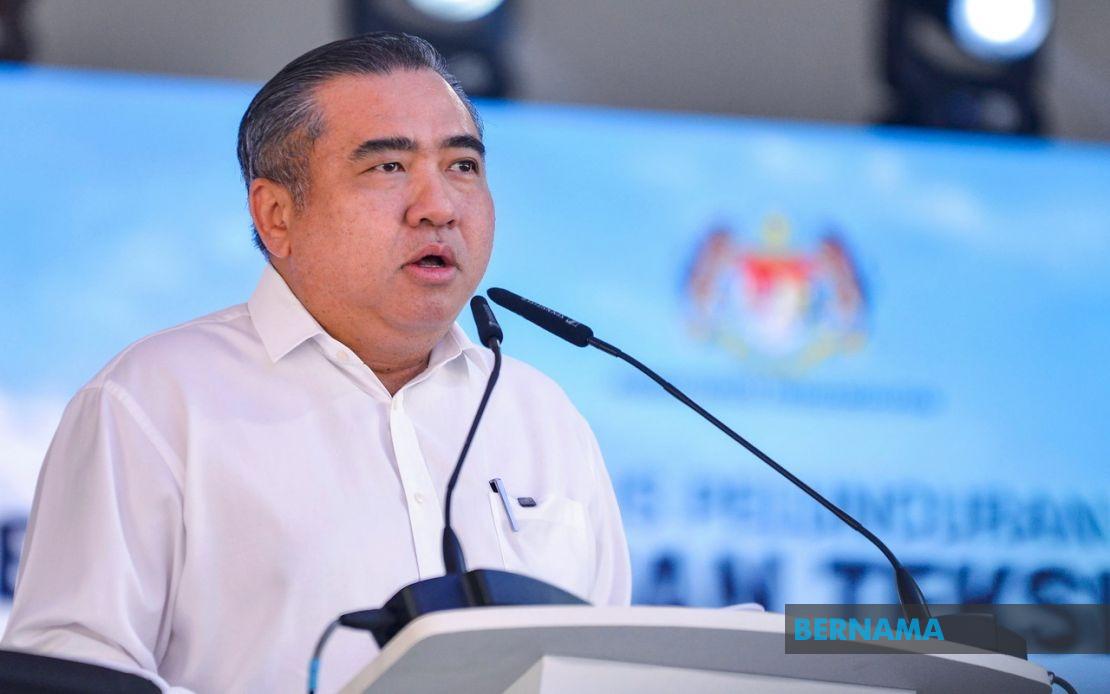
Transport Minister Anthony Loke has unveiled a fundamental restructuring of Malaysia's taxi industry, confirming that drivers participating in the National MADANI Taxi Reform Programme will transition from the traditional leasing arrangement to direct vehicle ownership. The shift, enabled through special authorisation from the Ministry of Finance, represents a significant departure from decades of industry practice where taxi operators maintained ownership while drivers leased vehicles under long-term agreements. The programme was officially launched by Prime Minister Datuk Seri Anwar Ibrahim at Dataran Merdeka in Kuala Lumpur on July 3, with Ministers Hannah Yeoh and Fadlun Mak Ujud also in attendance.
At the heart of this reform lies a recognition that the historical leasing model has constrained driver earnings and limited their ability to build equity. Under the new arrangement, participating drivers will hold full legal ownership of their vehicles even when financing purchases through financial institutions, a distinction Loke emphasised during the ceremony. This structural change addresses a longstanding complaint within the taxi sector, where drivers bore operational risks while lacking the asset ownership that could provide long-term financial security. The ownership model effectively grants drivers greater autonomy over their working conditions and business decisions, moving away from a system where third-party operators controlled vehicle deployment and maintenance schedules.
The programme has selected the Proton S70 sedan as its standardised vehicle, a choice reflecting considerations around passenger safety, cabin comfort, and operational efficiency. The S70's domestic manufacture also aligns with broader government objectives to support Malaysia's automotive industry while ensuring cost-effectiveness for participating drivers. The vehicles will adopt a distinctly modern aesthetic, eliminating the traditional roof-mounted taxi topper that has defined Malaysian taxis for generations. Instead, the fleet will display a special registration series beginning with the letters "GET," creating immediate visual differentiation and potentially enhancing brand recognition for the reformed taxi network.
Financial sustainability represents a critical component of the MADANI initiative. Beyond vehicle ownership, the programme incorporates revenue-diversification mechanisms aimed at bolstering driver incomes in an increasingly competitive ride-hailing landscape. Digital advertising screens installed within taxi cabins will generate supplementary earnings through commercial partnerships, addressing driver concerns about income compression from e-hailing competition. This advertising infrastructure transforms taxis into mobile advertising platforms, creating a passive income stream that requires no additional driver effort beyond vehicle operation.
Digital integration forms another pillar of the reform strategy. The ministry plans to incorporate modern booking systems accessible through e-hailing platforms, positioning reformed taxis to compete directly with ride-sharing services while maintaining their distinct identity within the transport ecosystem. This technological bridge recognises that contemporary passengers expect seamless digital interaction regardless of vehicle type, and that taxi drivers must adapt to consumer preferences or face further marginalisation. By enabling taxi participation in app-based booking networks, the programme preserves market relevance while avoiding complete displacement by newer mobility models.
The implications for Malaysia's transport sector extend beyond individual driver circumstances. The transition to ownership-based models could reshape taxi company structures, potentially reducing the dominance of large operators who have traditionally controlled fleets. Smaller, driver-owned operations may proliferate, though this depends heavily on financing accessibility and ongoing support mechanisms. For consumers, the reformed fleet promises modernised vehicles with improved safety standards and integrated technology, though fare structures and service availability remain dependent on broader market dynamics and regulatory frameworks.
Regionally, Malaysia's taxi reform offers lessons for other Southeast Asian nations grappling with similar pressures from e-hailing disruption. Countries across the region maintain substantial traditional taxi sectors facing existential challenges from platforms like Grab and Gojek. The MADANI programme demonstrates an approach that seeks accommodation rather than resistance, modernising taxis through ownership incentives, technology integration, and supplementary income mechanisms rather than protectionist restrictions. However, success ultimately depends on implementation efficiency, financing accessibility for participating drivers, and sustained demand for reformed taxi services.
The timing of this announcement reflects broader government efforts to address informal sector vulnerabilities exposed during the pandemic and accelerated by digital disruption. Taxi drivers, predominantly self-employed operators with limited safety nets, represent a constituency responsive to policies offering asset accumulation and income diversification. By framing vehicle ownership as both a business opportunity and a dignity issue, the government appeals to multiple constituencies simultaneously: drivers seeking economic advancement, finance ministries concerned with formal sector participation, and environmental advocates potentially receptive to coordinated fleet modernisation.
Implementation challenges remain substantial. Financing accessibility will prove crucial—drivers must be able to secure loans on favourable terms despite often lacking conventional credit histories or collateral. The Ministry of Finance's special approval presumably addresses lending criteria, but practical execution by financial institutions remains uncertain. Additionally, the success of supplementary income streams through advertising depends on achieving sufficient scale to attract commercial interest and passenger tolerance for in-cabin advertising. Driver uptake rates will largely determine whether the programme achieves transformative impact or remains a niche alternative within Malaysia's fragmented taxi sector.

