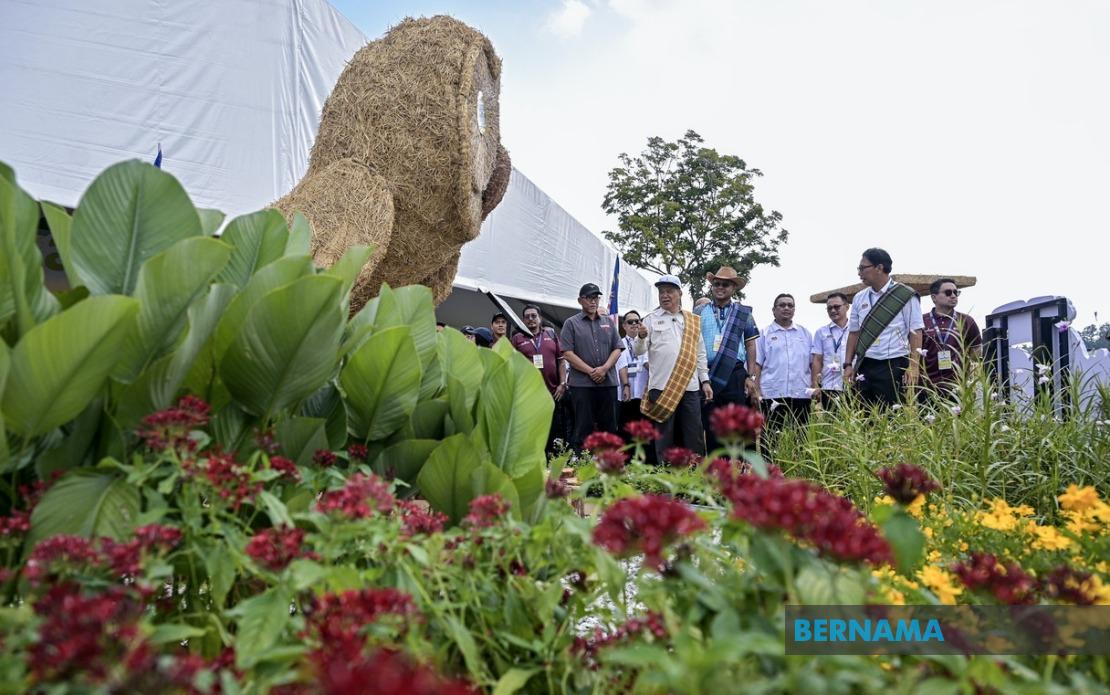
The Malaysia Agriculture, Horticulture and Agrotourism Exhibition (MAHA) 2026 is delivering a powerful start, with Agriculture and Food Security Minister Datuk Seri Mohamad Sabu announcing that the exhibition has welcomed 1.8 million visitors and achieved nearly RM6 million in sales during its initial three-day period at the Malaysia Agro Exposition Park Serdang (MAEPS). The impressive opening figures underscore the substantial appeal of the nation's premier agricultural showcase and reflect strong consumer interest in agricultural products and services across Malaysia.
The volume of visitors has created considerable activity at the exhibition grounds, with approximately 184,000 vehicles recorded entering and exiting MAEPS during the first three days alone. This traffic density underscores both the exhibition's drawing power and the logistical demands it places on transport infrastructure surrounding the venue in Serdang. The sustained flow of arrivals and departures has created conditions that organisers describe as exceptionally heavy, necessitating enhanced management of parking and vehicular movement to maintain reasonable access for visitors.
Organisers have established an ambitious financial target for the duration of MAHA 2026, with aims to achieve sales exceeding RM58 million by the time the exhibition concludes on September 6. Agricultural products constitute a significant portion of expected transactions, with crop seeds particularly anticipated to drive spending. This projection reflects confidence that the early momentum can be sustained throughout the remaining days of the event, which runs through early September across the MAEPS facility.
The exceptionally strong attendance during the opening period stems partly from specially organised programming, including the MAHA Merdeka celebration held on the previous day in conjunction with National Day festivities. This event featured distinctive entertainment offerings including fireworks displays and drone shows, which attracted substantial crowds and generated considerable public enthusiasm for the broader exhibition experience. The integration of patriotic celebrations with agricultural showcase proved an effective mechanism for drawing visitors to the venue during the exhibition's crucial opening window.
Transportation challenges have emerged as a significant operational concern given the sheer volume of visitors converging on the MAEPS facility within a compressed timeframe. Ministry officials have responded by implementing expanded shuttle services to facilitate movement of guests between parking areas and exhibition grounds. Mohamad acknowledged during a site visit that further refinements to transport arrangements would be necessary, with plans to implement adjustments based on evolving operational requirements and visitor feedback.
Management responsiveness has become central to maintaining visitor satisfaction amid the crowded conditions. A dedicated committee convenes on a daily basis to process complaints received from guests and identify practical solutions to emerging operational difficulties. This systematic approach to problem-solving reflects institutional commitment to ensuring the exhibition experience remains positive despite the logistical complexities created by unexpectedly high attendance figures.
Walking through the exhibition grounds, Mohamad observed particularly extended queues forming at state pavilions, where visitors congregated to view regional agricultural displays and offerings. The minister noted that management had been directed to develop strategies for accelerating visitor movement through these popular spaces, particularly given the elevated temperatures characterising current weather conditions. Attention to such comfort and convenience factors remains essential given that extended exposure to heat whilst waiting reduces the overall quality of the visitor experience.
The MAHA 2026 exhibition encompasses approximately 2,000 exhibitors representing diverse segments of Malaysia's agricultural, horticultural, and agritourism sectors. This extensive representation of industry participants creates a comprehensive marketplace where farmers, producers, equipment manufacturers, and service providers can connect with consumers and business partners. The breadth of exhibitor participation reflects the exhibition's significance as a national platform for the agricultural economy.
With projections for total attendance exceeding four million visitors across the full nine-day exhibition period extending to September 6, MAHA 2026 is positioned to establish itself as a major success within Malaysia's events calendar. The early performance metrics suggest strong public engagement with agricultural topics and genuine consumer demand for direct access to farming products and agritourism experiences. For Malaysian agriculture stakeholders, the exhibition represents both a crucial sales opportunity and an important engagement platform with consumers increasingly interested in understanding food production sources and supporting domestic agricultural enterprises.

