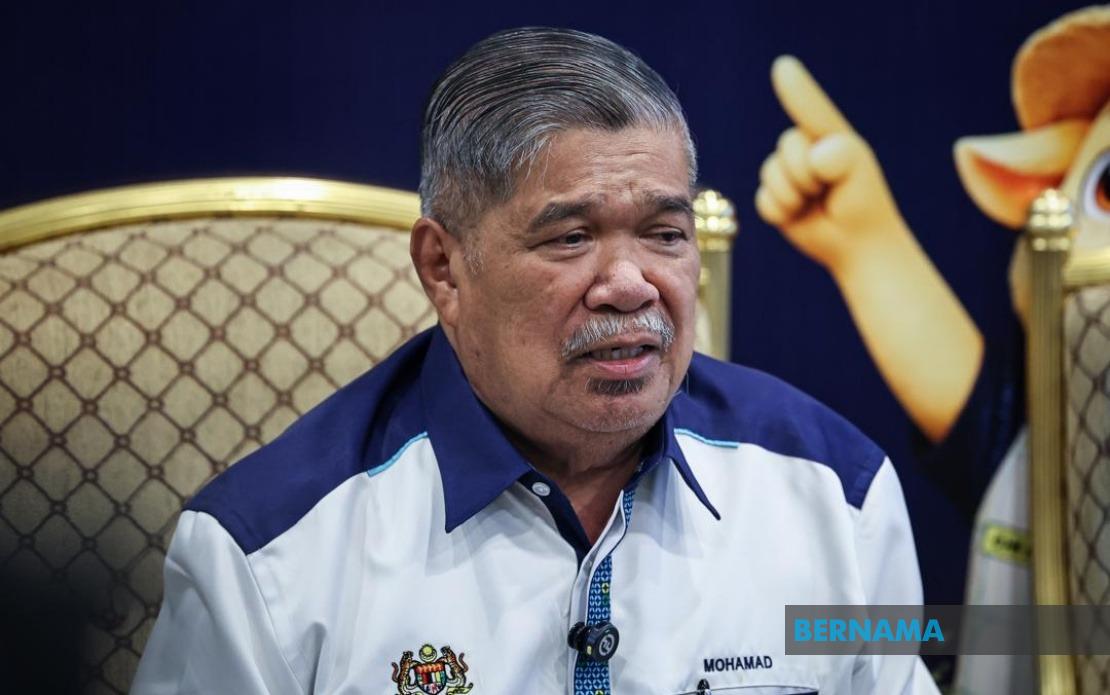
Organisers of Malaysia's flagship agricultural exhibition have issued health guidance to the anticipated surge of visitors as the Malaysia Agriculture, Horticulture and Agrotourism Show 2026 enters its peak visitor period during school holidays. Agriculture and Food Security Minister Datuk Seri Mohamad Sabu made the recommendation at the official opening of MAHA 2026 at the Malaysia Agro Exposition Park Serdang (MAEPS) on Friday, emphasising the importance of respiratory protection given prevailing environmental conditions affecting the region.
The advisory reflects growing awareness across Malaysia's event sector regarding transboundary haze pollution and its health implications for large outdoor gatherings. With air quality concerns recurring annually during certain months, event management authorities are increasingly incorporating public health messaging into their communications strategy. Mohamad's guidance serves dual purposes: directly addressing visitor safety whilst subtly acknowledging the persistent environmental challenges facing the country's outdoor activities sector. The timing of this year's MAHA coincides with conditions that have prompted similar advisories across Southeast Asia, where regional haze episodes have become predictable occurrences rather than exceptional occurrences.
The inaugural day of MAHA 2026 drew 140,000 visitors, a figure that organisers expect to escalate substantially as the nine-day event continues through September 6. The combination of school holiday periods beginning on the announcement date and weekend foot traffic typically generates exponential attendance increases in subsequent days and weeks. This visitor volume projection reflects the agricultural exhibition's established position as a major attraction on Malaysia's event calendar, drawing participants from both domestic and regional markets interested in agricultural innovation, horticulture trends, and rural tourism opportunities.
Organised under the thematic framework "Penciptaan Nilai Demi Keterjaminan Makanan" (Creating Value for Food Security), the exhibition brings together approximately 2,000 exhibitors representing the full spectrum of Malaysia's agricultural and agrotourism sectors. The breadth of participant representation underscores the event's significance as a comprehensive showcase for industry players ranging from smallholder farmers to multinational agribusiness corporations. This diverse exhibitor base creates opportunities for knowledge exchange, commercial networking, and demonstration of emerging agricultural technologies and sustainability practices relevant to Malaysian farming communities and regional agricultural development.
For Malaysian readers and agricultural industry stakeholders, MAHA 2026's scale and scope carry implications extending beyond mere exhibition logistics. The event functions as a barometer for industry sentiment regarding market opportunities, technology adoption rates, and policy priorities affecting agricultural competitiveness. The targeted visitor projection exceeding four million participants indicates confidence in sustained public interest in agricultural products, farming experiences, and rural tourism offerings—sectors considered strategically important for Malaysia's economic diversification and rural development objectives.
The recommendation to wear face masks acknowledges the intersection between environmental quality and public health concerns increasingly relevant to Southeast Asian nations experiencing seasonal air pollution. Malaysia, sharing its airspace with Indonesian haze sources, faces recurring challenges during burning seasons. Outdoor events during these periods require organisers to balance attendance promotion with responsible health communication. Mohamad's measured approach—framing mask-wearing as an optional precaution rather than mandatory requirement—reflects the practical challenge of enforcing health measures at large public gatherings whilst maintaining visitor experience quality and event accessibility.
The event's appeal extends beyond agricultural professionals to encompass families and recreational visitors seeking educational experiences and entertainment during school holidays. This mixed demographic composition complicates health communication strategies, as different visitor segments may perceive health risk assessments differently. Children, elderly visitors, and individuals with respiratory sensitivities warrant particular consideration when haze and elevated temperatures converge. The minister's public advocacy for preventive measures essentially empowers families to make informed personal risk assessments whilst signalling government acknowledgment of environmental conditions affecting public wellbeing.
Meanwhile, MAHA 2026's planned Merdeka Eve celebration, scheduled for 11:30 pm at MAEPS, demonstrates how major events coordinate with national occasions to enhance their cultural and civic relevance. The integrated drone and fireworks display represents contemporary event spectacle, though such aerial performances may be affected by atmospheric conditions related to the same haze concerns prompting mask-wearing advisories. The scheduling reflects deliberate programming to capture extended visitor engagement across holiday and commemoration periods, maximising attendance opportunities whilst reinforcing connection between agricultural sector prominence and national identity celebrations.
The presence of Deputy Agriculture and Food Security Minister Datuk Chan Foong Hin and Secretary-General Datuk Seri Isham Ishak at the opening ceremony underscores ministerial commitment to the exhibition's importance within government agricultural development strategy. This high-level participation signals that MAHA functions not merely as industry trade show but as policy showcase platform where government can demonstrate sectoral priorities to stakeholder communities and general public simultaneously. Such official engagement patterns typically precede policy announcements or programme initiatives targeting agricultural sector development, suggesting MAHA 2026 may host significant policy communications beyond its primary exhibition function.

