Malaysia Airports Holdings Bhd (MAHB) has reinforced its pledge to work alongside multiple government agencies in tackling smuggling and other illicit border activities, responding to the high-profile case of a Malaysian pilot detained in Indonesia on drug-related charges. The airport operator's statement underscores the complexities of maintaining aviation security while addressing broader law enforcement challenges that extend beyond conventional aviation threats.
The incident that prompted MAHB's reaffirmation involved the arrest on July 29 of a 39-year-old Malaysian pilot in Indonesia. Indonesian authorities allege he attempted to smuggle narcotics into the country following his departure from Malaysia. The seizure included approximately 70,114 ecstasy pills and four grammes of methamphetamine, valued at an estimated Rp60 billion. Preliminary investigations suggest the pilot may have engaged in multiple smuggling operations and potentially maintains connections with international drug trafficking networks, raising concerns about the scope and sophistication of the operation.
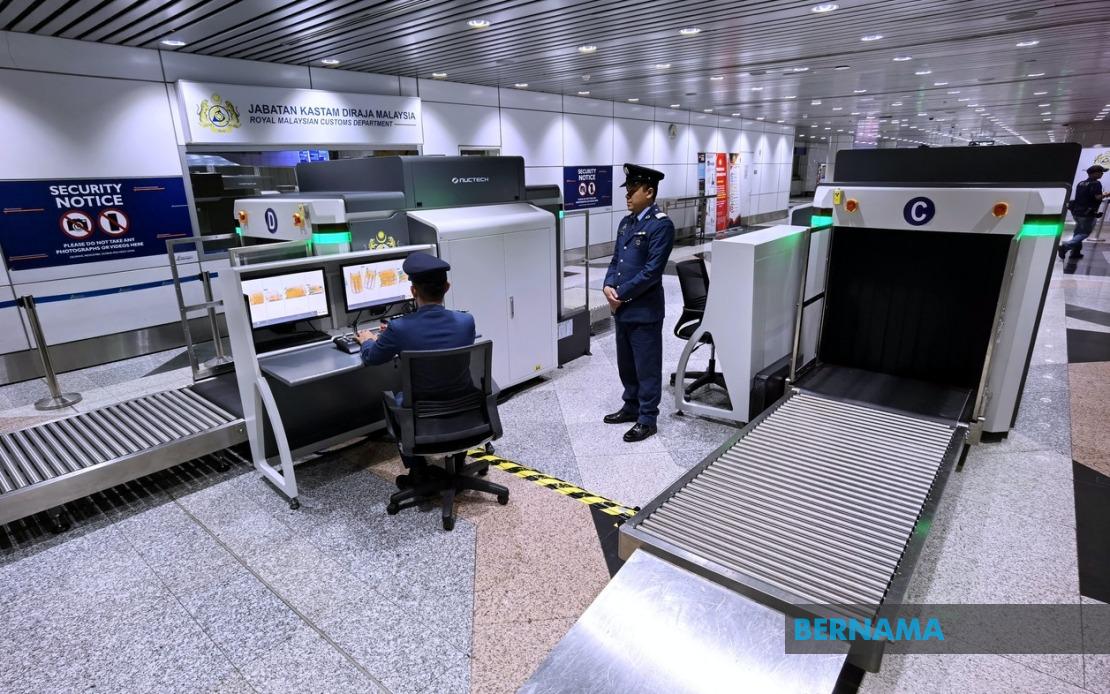
In its response, MAHB clarified the distinct but complementary roles that different security bodies play within airport operations. The airport's Aviation Security team focuses specifically on preventing acts that could directly endanger civil aviation—detecting explosives, weapons, and other items that pose immediate safety risks. This distinction is important because drug smuggling, while criminal, does not inherently threaten the security of aircraft or passengers in the same way that explosives or weapons would. The baggage handling systems at Kuala Lumpur International Airport are designed with these aviation-specific priorities as their foundation, subjecting all checked baggage from passengers and airline crew to standardised security screening protocols.
However, MAHB acknowledged that responsibility for detecting and prosecuting drug offences belongs to dedicated law enforcement bodies. The Royal Malaysia Police and the Royal Malaysia Customs Department carry primary authority over narcotics cases and smuggling violations, while the Department of Wildlife and National Parks handles wildlife trafficking matters. Rather than operating in isolation, these agencies coordinate with MAHB through operational cooperation and information sharing, creating a layered security approach that attempts to address both aviation safety and broader criminal activity.
The statistics MAHB cited offer a tangible measure of enforcement activity at Malaysia's premier airport. Between January and July this year, KLIA's aviation security team worked with the Royal Malaysia Police to intercept over thirty attempted smuggling incidents involving illegal substances. This figure suggests that while high-profile cases like the pilot's arrest draw public attention, law enforcement agencies are regularly identifying and stopping drug trafficking attempts through routine airport operations. The frequency of these interceptions raises questions about the scale of smuggling pressure on Malaysian airports and the effectiveness of current detection methods.
The case has also prompted regulatory scrutiny at the national level. The Civil Aviation Authority of Malaysia has initiated an investigation to determine whether proper aviation security procedures were followed throughout the incident and its investigation. CAAM's chief executive Datuk Capt Norazman Mahmud indicated the authority would examine both the airline's compliance with security requirements and the airport operator's screening processes from a regulatory perspective. This probe reflects the principle that aviation authorities must ensure that established procedures are consistently applied, particularly when high-profile breaches occur.
The incident carries particular significance for Malaysia's reputation in international aviation and law enforcement circles. Pilots occupy positions of trust requiring extensive vetting and background checks; a breach of that trust by an aviation professional engaged in drug smuggling can damage confidence in Malaysian aviation sector governance. Indonesian authorities' suggestion that the pilot maintained links to international trafficking networks indicates that the investigation extends beyond a single individual to examine potential organisational structures and supply chains operating across the region.
For Malaysia and Southeast Asia more broadly, the case illustrates the ongoing vulnerability of major transportation hubs to criminal exploitation. Airports serve as crucial nodes in both legitimate commerce and illicit supply chains, and their massive daily throughput of passengers and cargo creates inevitable gaps that organised criminals attempt to exploit. The involvement of an aviation professional suggests that criminals may be deliberately targeting individuals with legitimate access to aircraft and international travel privileges, a recruitment strategy that poses challenges for conventional security screening designed to focus on objects rather than the intent of trusted individuals.
MAHB's commitment to continued multi-agency cooperation represents a recognition that no single organisation can effectively address smuggling in isolation. The airport operator's role extends beyond its core commercial functions to include support for border security and law enforcement objectives. This cooperation model, while potentially effective, also highlights the complexity of distributing responsibility across multiple agencies with different mandates, training, and operational procedures. Coordination failures between agencies can create vulnerabilities, while duplicative efforts can waste resources.
The case also raises questions about screening methodologies and their limitations. Despite stringent protocols and advanced systems, a professional pilot operating within the aviation system allegedly moved narcotics through KLIA undetected initially. This suggests that background-based risk assessment and object detection, however sophisticated, may be insufficient when individuals deliberately seek to exploit their professional credentials. The airport industry globally continues grappling with balancing the reality that truly determined smugglers with legitimate access will occasionally succeed, against the need to maintain passenger confidence and operational efficiency.
Moving forward, MAHB's stated commitment must translate into concrete measures. Beyond statements of cooperation, this could involve enhanced vetting procedures for aviation personnel, improved intelligence sharing between KLIA's operations and law enforcement agencies, investment in emerging detection technologies, and regular joint training exercises between MAHB security personnel and external enforcement bodies. The measure of success will be whether future incidents are prevented before smuggling attempts reach advanced stages, rather than only being detected at points of embarkation or after international borders have been crossed.
The pilot's case also underscores the importance of regional cooperation in addressing transnational drug trafficking. As narcotics move across borders through Southeast Asian hubs, no individual country's enforcement efforts alone can stem the flow. Coordination among Malaysian, Indonesian, and other regional authorities becomes essential for disrupting supply chains and identifying international networks. The investigation's potential to identify other syndicate members and intended recipients will test whether regional law enforcement can translate cooperation into effective prosecution of larger trafficking organisations rather than only apprehending individual couriers.

