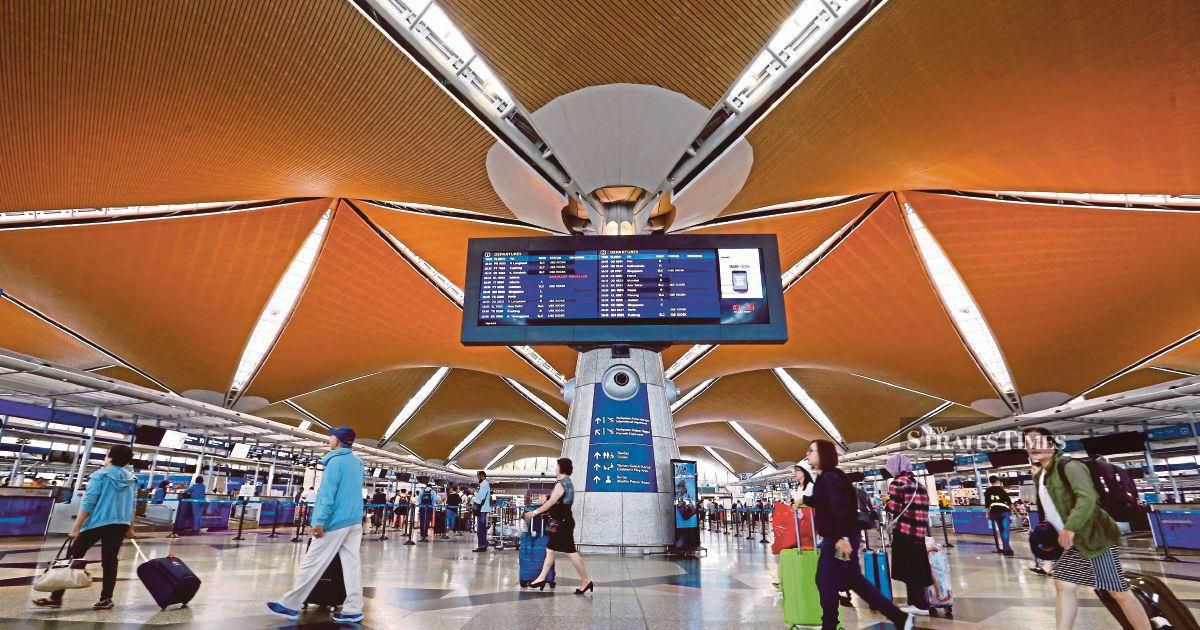
Malaysia Airports Holdings Bhd (MAHB) has acknowledged a technical failure that disrupted baggage operations at Terminal 1 of Kuala Lumpur International Airport (KLIA) today, though airport authorities moved swiftly to restore full functionality within hours. The malfunction, which affected the automated baggage sorting and conveyor systems that process thousands of bags daily, prompted immediate intervention from MAHB's technical teams to minimise passenger inconvenience during peak travel periods.
The incident highlights ongoing operational challenges at one of Southeast Asia's busiest aviation hubs, where downtime in critical ground infrastructure can cascade rapidly across the airport network. Terminal 1 remains fundamental to KLIA's passenger throughput, handling both domestic and international services that connect Malaysia to regional and global destinations. Any disruption to its baggage systems creates bottlenecks that can delay flights, frustrate travellers, and strain airport staff managing manual workarounds.
MAHB's confirmation of the technical issue represents transparency in acknowledging the disruption, though the airport operator provided limited detail regarding the root cause or whether the problem originated in the main baggage handling equipment, sorting algorithms, or interconnected conveyor networks. Terminal 1's baggage systems are among the infrastructure components that MAHB continually maintains, though the age of certain facilities at this terminal has occasionally necessitated modernisation investments to prevent recurring failures.
The resolution by 5.30pm suggests MAHB mobilised technicians rapidly to diagnose and rectify the malfunction, though the airport did not specify whether the fix involved rebooting systems, replacing faulty components, or clearing software errors. For passengers caught in the disruption, manual baggage handling procedures would have been implemented as backup, though these are inherently slower than automated systems designed to process bags at high volumes.
This incident underscores the critical dependence of modern airports on sophisticated baggage handling technology. KLIA Terminal 1 processes approximately 40,000 bags daily during normal operations, and any system failure cascades immediately through departing flights. Airlines operating from the terminal likely coordinated with ground handlers to mitigate delays, prioritising baggage from flights with tight departure windows.
From a regional perspective, KLIA's operational reliability remains integral to Malaysia's positioning as a competitive Southeast Asian aviation hub. Frequent baggage system disruptions could influence airline scheduling decisions or encourage passengers to route through competing airports in Singapore, Bangkok, or Kuala Lumpur's newer KLIA2 facility. This commercial dimension explains why MAHB treats such incidents seriously and communicates resolutions publicly.
The timing of the malfunction and its relatively quick resolution also matter operationally. If the failure occurred during off-peak hours with fewer flights, the impact would have been contained. Conversely, if it struck during peak morning or evening departure windows, hundreds of passengers across multiple flights could have experienced baggage delays or missed connections. MAHB has not disclosed when precisely the problem began, making it difficult to assess the full scope of affected passengers.
Terminal 1's baggage systems are part of a broader airport infrastructure portfolio that MAHB manages across multiple facilities in Malaysia, including KLIA2 and regional airports. Resource allocation for maintenance and modernisation must balance priorities across these sites, with newer facilities sometimes receiving priority investment. Any systematic vulnerability in Terminal 1's baggage handling warrants examination to prevent recurrence, particularly as passenger volumes recover to pre-pandemic levels across Malaysian airports.
The incident also reflects the broader aviation industry challenge of aging infrastructure. Many international airports built in the 1990s and early 2000s face equipment fatigue and obsolescence, requiring expensive upgrades or replacement. MAHB's longer-term capital expenditure strategy must account for terminal renewals that keep critical systems current and reliable, protecting both passenger experience and airline confidence in the airport's operational capability.
Going forward, MAHB should consider whether today's incident represents an isolated technical glitch or symptom of deeper system vulnerabilities. Enhanced monitoring systems, predictive maintenance protocols, and redundancy in critical baggage handling components could prevent future disruptions. Transparency regarding root cause analysis and corrective measures would also reassure airlines, travel partners, and passengers about MAHB's commitment to operational excellence.
For Malaysian travellers and the aviation sector broadly, KLIA's smooth functioning remains essential. While today's resolution within several hours is acceptable, the frequency and severity of such incidents will ultimately influence perceptions of the airport's reliability. MAHB's response capacity and technical competence were adequate today, but sustained investment in infrastructure modernisation remains vital for competitive positioning in the dynamic Southeast Asian aviation landscape.

