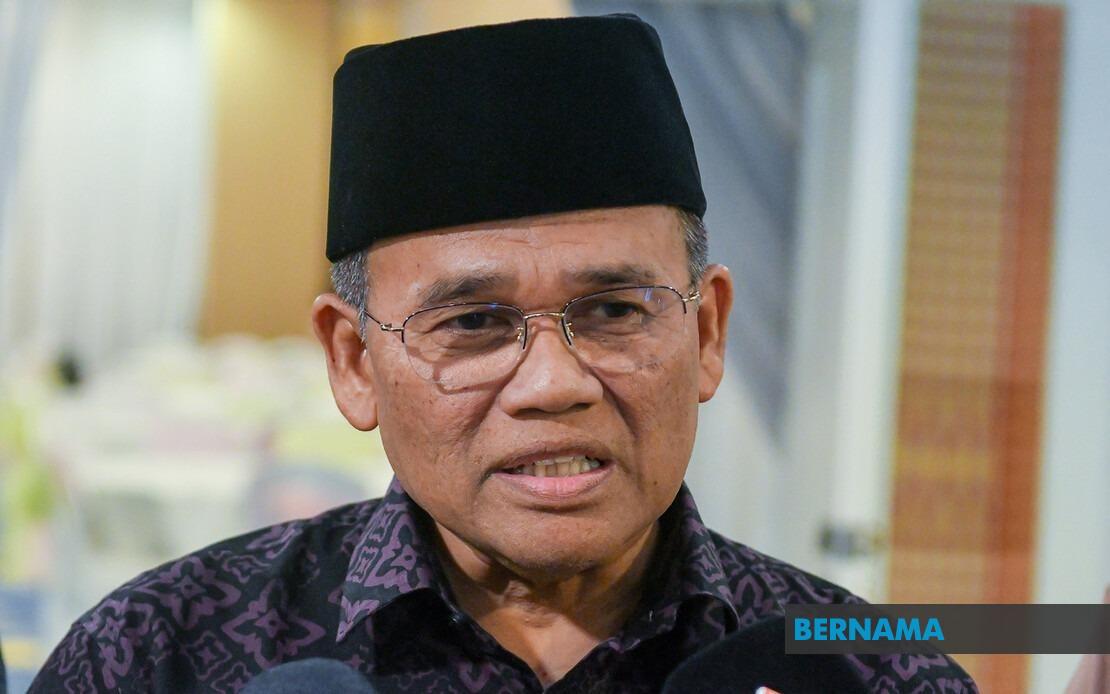
Malaysia's Selangor Islamic Religious Council has formally confirmed that a shopping mall prayer facility was granted approval to conduct Friday prayers beginning in September 2024, resolving uncertainty around the status of religious services at commercial venues across the state. The decision by the council, known as MAIS, came after its governance committee evaluated conditions at the IOI City Mall musala in Putrajaya and received endorsement from the Sultan of Selangor, Sultan Sharafuddin Idris Shah, establishing what officials describe as a carefully monitored arrangement.
The approval hinged on practical considerations affecting the Muslim workforce and visitor population at the major shopping destination. According to MAIS chairman Datuk Salehuddin Saidin, the assessment demonstrated that the venue housed substantial numbers of male Muslim workers and attracted significant Muslim footfall, creating genuine obstacles to accessing conventional prayer facilities during peak religious observance times. This observation reflects growing demographic shifts in Malaysia's commercial centres, where shopping malls have become major employment and leisure destinations.
The distance to alternative facilities emerged as a crucial factor in the decision-making process. The two closest established mosques—Masjid Al-Mustaqim Kampung Dato' Abu Bakar Baginda at approximately 7.6 kilometres away and Masjid UNITEN in Kajang roughly 7.7 kilometres distant—presented practical barriers for workers seeking to fulfil their Friday prayer obligations during business hours. Such distances effectively render these venues inaccessible for individuals constrained by work schedules or transport availability.
Beyond geographical considerations, the council identified capacity limitations at neighbouring mosques as an additional constraint. Both facilities lacked sufficient accommodation to handle the congregational volumes generated by IOI City Mall's employee base and regular visitors attempting to discharge their religious duties simultaneously. This capacity shortage highlights how rapid commercial expansion in Malaysian urban centres has sometimes outpaced religious infrastructure development, creating temporary mismatches between population concentration and prayer facility availability.
Crucially, MAIS leadership has consistently emphasised the temporary nature of this arrangement, positioning it as an interim measure rather than a permanent shift in religious administration policy. The approval explicitly stipulates that permission shall terminate upon completion and operational readiness of a purpose-built mosque in proximity to the shopping centre. This sunset clause reflects the council's intention to restore conventional religious infrastructure governance once physical constraints are resolved through dedicated mosque construction.
The decision underscores the council's balancing act between accommodating contemporary urban realities and maintaining established protocols governing Islamic religious observance in Selangor. Officials stress that the arrangement represents an exception rather than precedent for shopping mall prayer spaces, signalling regulatory caution about formalising commercial venue prayer facilities despite practical pressures. This measured approach reflects broader sensitivities around religious administration and institutional authority within the state's Islamic governance structure.
Meanwhile, the state has signalled broader policy concerns regarding religious activities in shopping centres. Just days before clarifying the IOI City Mall situation, MAIS chairman stated that Sultan Sharafuddin had not authorised any shopping centre surau or musala to conduct Friday prayers as a general proposition. This statement appeared to address broader anxieties that the IOI City Mall arrangement might spark comparable requests from other commercial venues, potentially creating administrative complications and challenging precedents for religious facility governance across Selangor's expanding retail landscape.
The clarification regarding the existing permitted shopping centre facility serving as a singular exception with explicit temporary status attempts to manage this broader policy risk. By emphasising that no blanket approval exists for shopping centre Friday prayers and that the current permission operates under circumscribed conditions with a defined endpoint, authorities have attempted to prevent the decision from being misinterpreted as opening pathways for similar commercial venue arrangements.
MAIS and the Selangor Islamic Religious Department, known as JAIS, have committed to maintaining orderly management of Friday prayers throughout the state in strict accordance with Islamic jurisprudence and applicable legal requirements. This undertaking reflects institutional determination to ensure that pragmatic accommodations for contemporary urban circumstances do not compromise religious standards or procedural integrity. The supervisory commitment addresses concerns that temporary arrangements might inadvertently establish problematic precedents if oversight lapses.
The broader context reveals how rapid urbanisation and demographic shifts in Malaysia's premier economic zones create novel challenges for religious administration. Shopping malls have evolved from purely commercial spaces into major social and economic anchors within metropolitan areas, concentrating large populations during extended daily hours. This transformation has generated practical pressures on traditional religious service delivery models that presumed access to dedicated facilities in established neighbourhoods rather than dispersed commercial districts.
For Southeast Asian readers observing Malaysian religious governance, this development illustrates how even institutionally structured Islamic administration systems must adapt operational approaches when contemporary urban configurations generate legitimate access barriers to essential religious services. The decision reflects pragmatic flexibility within regulatory frameworks rather than fundamental policy shifts, maintaining doctrinal consistency while accommodating practical realities affecting Muslim workers and visitors in major commercial hubs.

