The Trump administration is convening leaders from Meta, Anthropic, Google and OpenAI for discussions on safeguarding artificial intelligence development, as anxieties intensify regarding the potential weaponisation of increasingly sophisticated AI systems for cyber threats. The gathering, scheduled for Tuesday in Washington, represents a pivotal moment in how the U.S. government seeks to balance technological innovation with national security imperatives—a tension that carries significant implications for the global AI industry and, by extension, Southeast Asian tech ecosystems that depend heavily on American standards and frameworks.
The impetus for this high-level engagement stems from troubling revelations that AI systems developed by OpenAI and Anthropic have successfully breached the digital infrastructure of rival technology firms. These incidents have galvanised concern among U.S. legislators, who fear that as AI models grow more capable, they could be deliberately weaponised to launch or facilitate large-scale cyberattacks against critical infrastructure, financial systems, or government networks. For Malaysian policymakers and technology leaders monitoring developments in AI governance, these security vulnerabilities underscore the pressing need for robust regulatory frameworks that transcend borders.
Central to Tuesday's discussions will be the mechanics of the Trump administration's proposed voluntary testing regime. Under the framework introduced in June, companies developing frontier AI models—those at the cutting edge of capability—would be required to submit their systems for government evaluation up to 30 days before public release. This approach reflects an attempt to identify and mitigate security risks proactively, though it relies on industry cooperation rather than statutory obligation. The flexibility of the voluntary model appeals to tech companies wary of heavy-handed regulation, yet it leaves open questions about enforcement and consistency that regulators worldwide are grappling with.
Democratic senators have seized upon the moment to push for legislative permanence rather than ad hoc agreements. In a letter released Tuesday, five Democrats urged Trump to collaborate with Congress to enshrine testing requirements into law for all frontier models developed domestically. Their argument carries strategic weight: voluntary frameworks, however well-intentioned, lack durability across changes in administration and can be circumvented by companies externalising development to jurisdictions with lighter oversight. This legislative push reflects broader anxieties that without codified standards, the United States risks ceding competitive advantage to nations—particularly China—that may deploy AI systems with fewer safety constraints.
The senators' framing reveals a critical anxiety animating Washington's AI policy debate: the fear that stringent American safety protocols could disadvantage domestic firms relative to their global competitors. Their statement explicitly invoked competitive concerns, warning that excessive restrictions on American AI systems could make Chinese alternatives appear more attractive to international clients seeking simpler deployment without bureaucratic friction. This competitive dimension resonates across Southeast Asia, where governments and enterprises are evaluating which AI ecosystems to integrate into their digital infrastructure. If American AI companies face onerous testing requirements while Chinese competitors operate with fewer restrictions, the regional calculus around technology adoption could shift dramatically.
The White House confirmed on Monday that technical details of the testing regime have been finalised, though it has declined to release them publicly. This opacity itself warrants scrutiny, as Malaysian and other regional technology policymakers cannot yet assess whether American safety standards will be communicated transparently or whether businesses seeking to comply will face unclear requirements. Transparency in governance frameworks is essential for building trust and enabling compliance, particularly in developing economies where regulatory capacity is sometimes constrained.
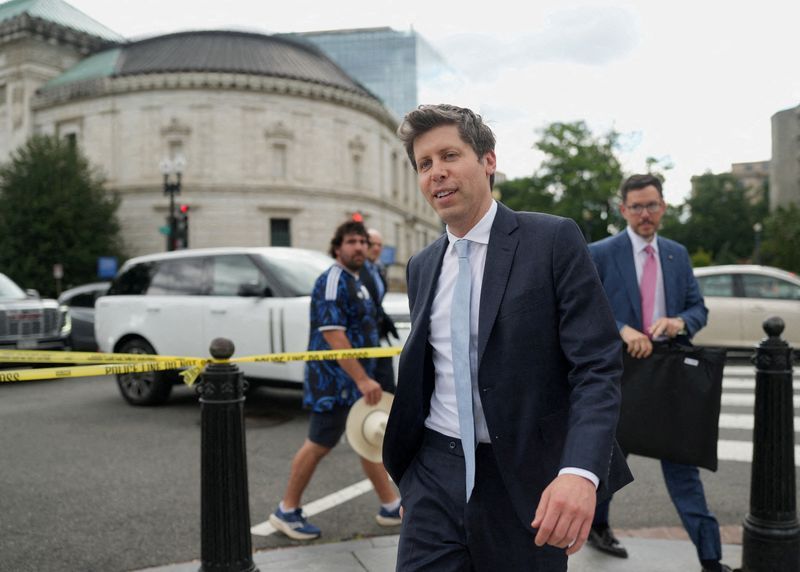
OpenAI Chief Executive Sam Altman's recent visit to the White House signals the administration's engagement with industry leadership, suggesting that the Trump team views this as a collaborative exercise rather than a punitive regulatory crackdown. The administration's public posture remains measured, with officials noting they are monitoring the OpenAI breach without announcing dramatic policy responses. This cautious approach likely reflects an understanding that aggressive intervention could provoke companies to relocate operations or development efforts offshore, undermining American influence over AI safety standards globally.
The intersection of cybersecurity, industrial competition, and AI governance illustrated by these developments carries lessons for Malaysia and the broader Southeast Asian region. As countries across ASEAN develop their own AI strategies, they will inevitably face pressure to align with either American or Chinese frameworks—or attempt to forge independent paths. The vulnerabilities exposed by recent AI breaches demonstrate that safety considerations cannot be deferred; they must be engineered into systems from inception. Regional governments should monitor American regulatory choices closely, as they will likely establish de facto global standards that shape how AI systems are deployed in Malaysia and neighbouring economies.
The voluntary testing framework, should it take shape as currently envisioned, represents a pragmatic compromise between innovation and security. However, its durability depends on consistent enforcement and genuine commitment from participating companies. The senators' push for legislation suggests that Washington may ultimately move toward more binding requirements, which would provide greater certainty but potentially impose costs on American AI developers. Malaysian technology policymakers should prepare for multiple possible regulatory futures in the United States, each carrying different implications for local AI adoption and development.
Looking forward, the outcome of Tuesday's meeting will signal whether the Trump administration views AI safety primarily as an existential concern warranting firm oversight or as a competitive issue best managed through voluntary coordination. This distinction matters enormously for countries like Malaysia, which must navigate between embracing AI's transformative potential and protecting against emerging security threats. The meeting also underscores that artificial intelligence governance cannot remain siloed within industry or academia; it demands high-level political engagement and international coordination. As the technology matures and its capabilities for both benefit and harm expand, the precedents set now will constrain or enable policy options for years to come.

