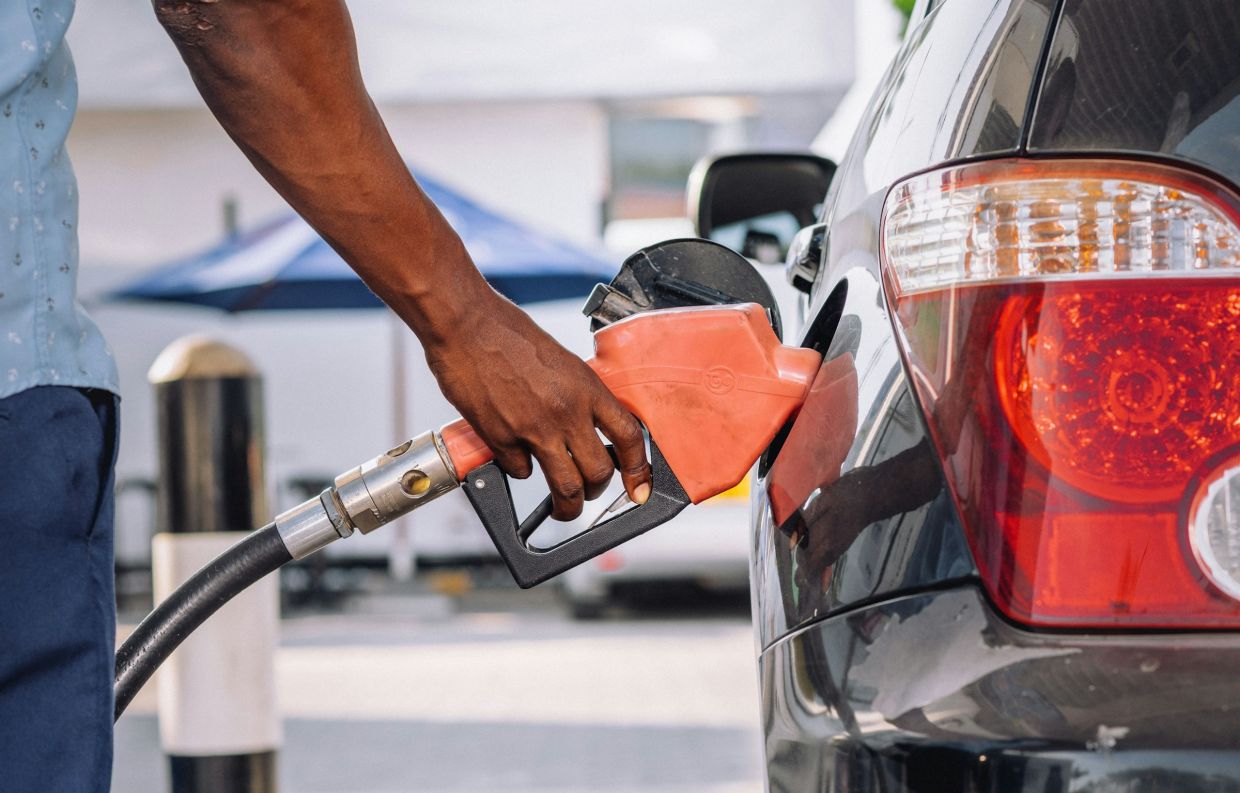
A group of California consumers has filed a federal lawsuit against several major petrol station operators, alleging they have deployed artificial intelligence technology to unlawfully manipulate pump prices across the state. The defendants named in the complaint are Walmart Inc, Marathon Petroleum Corp, BP Plc and 7-Eleven Inc, all of which collectively operate more than 1,700 filling stations throughout California. The lawsuit comes at a time when California continues to face the highest petrol prices in the United States, a persistent issue that has drawn scrutiny from state regulators and become a focus of national political debate.
According to the complaint filed Monday in federal court in Sacramento, the retailers allegedly utilise an AI tool supplied by Kalibrate Fuel Systems Ltd to automatically adjust prices at the pump. The algorithm reportedly leverages confidential market data to set pricing, raising questions about transparency and fair competition in the fuel retail sector. The lawsuit contends that this practice has artificially boosted petrol costs by as much as US$0.22 per gallon and diesel by up to US$0.33 per gallon beyond what market conditions would otherwise justify. In some areas of California, petrol prices reached US$7 per gallon during peak periods, underscoring the impact these increases have had on consumers.
The financial implications of this alleged manipulation are substantial. According to the plaintiffs' calculations, every additional penny added to fuel prices through algorithmic manipulation costs California drivers approximately US$134 million annually. This figure illustrates the cumulative burden placed on the state's consumers when pricing adjustments occur across thousands of retail locations. The lawsuit specifically references the broader economic context, noting that elevated prices have been exacerbated by factors including the United States' geopolitical tensions with Iran, which have contributed to international crude oil market pressures.
This legal action represents a landmark case under AB 325, legislation that California enacted last year specifically to prohibit the use of shared pricing algorithms in the fuel retail sector. The bill emerged from growing concerns about algorithmic price-fixing and the need to protect consumer interests in a critical commodity market. The lawsuit seeks damages for all California drivers who allegedly overpaid for fuel, with claims being pursued under California antitrust law. This legal framework provides a mechanism for addressing what plaintiffs characterise as anticompetitive conduct that distorts market pricing.
State authorities have previously signalled heightened vigilance over fuel pricing practices. Last month, California's fuel watchdog issued subpoenas to certain station owners regarding their pricing strategies, indicating that regulatory attention has been intensifying before this lawsuit was filed. This enforcement activity reflects broader governmental concerns about whether market participants are engaging in practices that artificially inflate prices rather than allowing supply and demand dynamics to determine fuel costs naturally.
The response from the defendants has been measured thus far. Walmart issued a brief statement indicating it is reviewing the complaint and will mount an appropriate legal defence. BP declined to provide any comment on the allegations. Representatives from Marathon Petroleum, 7-Eleven and Kalibrate Fuel Systems did not respond to requests for comment, a silence that may complicate their eventual defence but underscores the serious nature of the accusations.
The timing of this lawsuit reflects California's intensifying regulatory focus on fuel markets. Governor Gavin Newsom signed a series of legislative measures in 2023 and 2024 that expanded state oversight over the petroleum industry, creating a regulatory environment increasingly hostile to practices perceived as anti-consumer. These legislative initiatives demonstrate political recognition that Californians face distinctive fuel price pressures compared to residents of other states, and that targeted intervention may be necessary to ensure competitive markets.
California's fuel pricing challenges have transcended state politics to become a national issue. The Trump administration's Energy Secretary Chris Wright has referenced California's high petrol prices while promoting a controversial offshore oil-drilling project in state waters. This politicisation of fuel costs illustrates how energy pricing has become integrated into broader policy debates, with different political actors proposing divergent solutions ranging from increased domestic oil production to consumer protection measures.
For Malaysian and Southeast Asian observers, this case offers important insights into how developed markets are responding to algorithmic pricing in essential commodity sectors. As artificial intelligence and dynamic pricing become increasingly prevalent in retail operations across the region, the question of how to balance technological efficiency with consumer protection becomes more urgent. California's regulatory approach and legal framework provide a template that other jurisdictions may eventually adopt as AI-driven pricing becomes more common in energy and fuel markets.