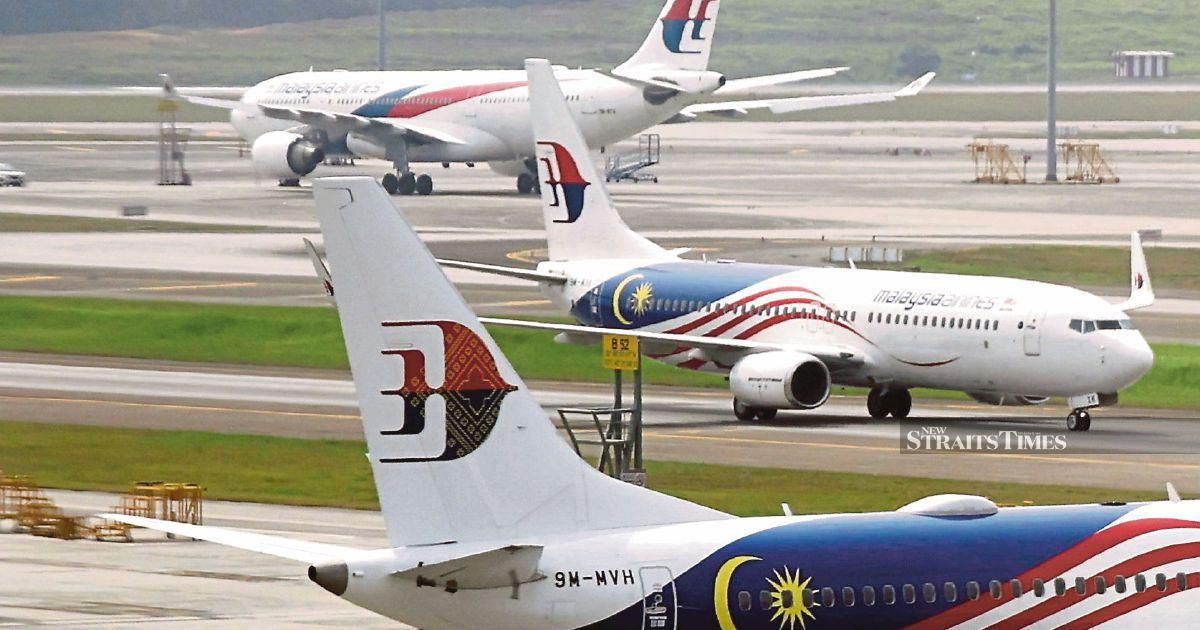
Malaysia Airlines announced it is conducting a comprehensive internal review following the detention of one of its pilots by Indonesian law enforcement officials on allegations connected to narcotic offences. The incident has drawn attention to crew management and background verification procedures at one of Southeast Asia's major carriers, raising broader questions about aviation safety standards and personnel screening across the region's airlines.
The arrest represents a significant development for Malaysia Airlines, which has faced various operational and reputational challenges in recent years. The timing of the incident underscores the importance of rigorous personnel vetting in an industry where pilot conduct and reliability directly impact passenger safety and public confidence. The airline's decision to undertake an internal review signals an acknowledgement that the matter warrants institutional scrutiny and potential procedural adjustments.
Indonesian authorities' involvement in the case reflects the jurisdiction where the arrest occurred, highlighting how aviation incidents often involve coordination between multiple countries' regulatory bodies. Indonesia, as the world's fourth-most populous nation and a major hub for regional air traffic, has considerable influence over aviation standards and enforcement in Southeast Asia. The incident underscores the interconnected nature of aviation oversight in a region with increasingly dense air routes and shared responsibilities for safety compliance.
For Malaysia Airlines specifically, the review likely encompasses recruitment screening protocols, ongoing personnel monitoring, and substance abuse detection mechanisms. Airlines operating across multiple jurisdictions must maintain consistency in their personnel standards while respecting the regulatory frameworks of various countries. The internal assessment could potentially lead to enhanced pre-employment checks, periodic medical examinations, and behavioural monitoring systems that extend beyond current industry norms in Malaysia.
The incident also touches on broader occupational health and welfare concerns within aviation. Pilot fatigue, stress, and access to controlled substances represent longstanding concerns in the industry, particularly given demanding flight schedules and the physical and mental demands of international aviation operations. Understanding the circumstances surrounding this case may reveal systemic vulnerabilities in how airlines support crew mental health and identify individuals at risk of substance abuse.
Regional aviation authorities will likely be monitoring how Malaysia Airlines addresses this situation, as the case could influence sector-wide best practices. The International Civil Aviation Organization and national aviation regulators across Southeast Asia maintain standards that all carriers must meet, and personnel conduct falls within these frameworks. How Malaysia Airlines responds to this specific incident may set expectations for competitor carriers and inform regulatory discussions about crew vetting standards.
The arrest also raises questions about the effectiveness of current pre-employment and ongoing background checks in identifying potential risks. While no airline can guarantee completely risk-free personnel, the stringency of screening processes varies across carriers and jurisdictions. This incident may prompt industry stakeholders to examine whether existing verification mechanisms are sufficiently comprehensive, particularly regarding pharmaceutical and substance abuse histories.
For Malaysian passengers and the travelling public across Southeast Asia, such incidents naturally generate concern about safety and operational integrity. However, the airline industry benefits from multiple layers of safety redundancy, including sophisticated cockpit technology, comprehensive training protocols, and strict regulatory oversight. A single personnel matter, while serious, does not invalidate the broader safety framework that protects millions of regional passengers annually.
The internal review Malaysia Airlines is undertaking will likely include consultations with Indonesian authorities, human resources audits, and potentially modifications to company policies. The airline may also engage independent consultants to ensure thoroughness and credibility of the assessment process. This approach demonstrates responsiveness to regulatory and public expectations, important factors for maintaining passenger confidence and industry reputation.
Looking forward, this incident may accelerate conversations within Malaysia Airlines and across the industry about drug testing protocols, psychological evaluation frameworks, and the role of occupational health services in identifying at-risk employees before situations escalate. The case represents an opportunity for the airline to strengthen its institutional safeguards and demonstrate commitment to the highest operational and ethical standards.
The broader implications extend to Southeast Asia's aviation sector, which continues rapid expansion as rising middle-class populations drive increased air travel demand. Maintaining rigorous personnel standards across airlines in the region remains essential as flight volumes and complexity increase. Malaysia Airlines' response to this situation will be closely watched by competitors, regulators, and industry observers seeking to establish benchmarks for crew accountability and oversight in one of the world's fastest-growing aviation markets.

