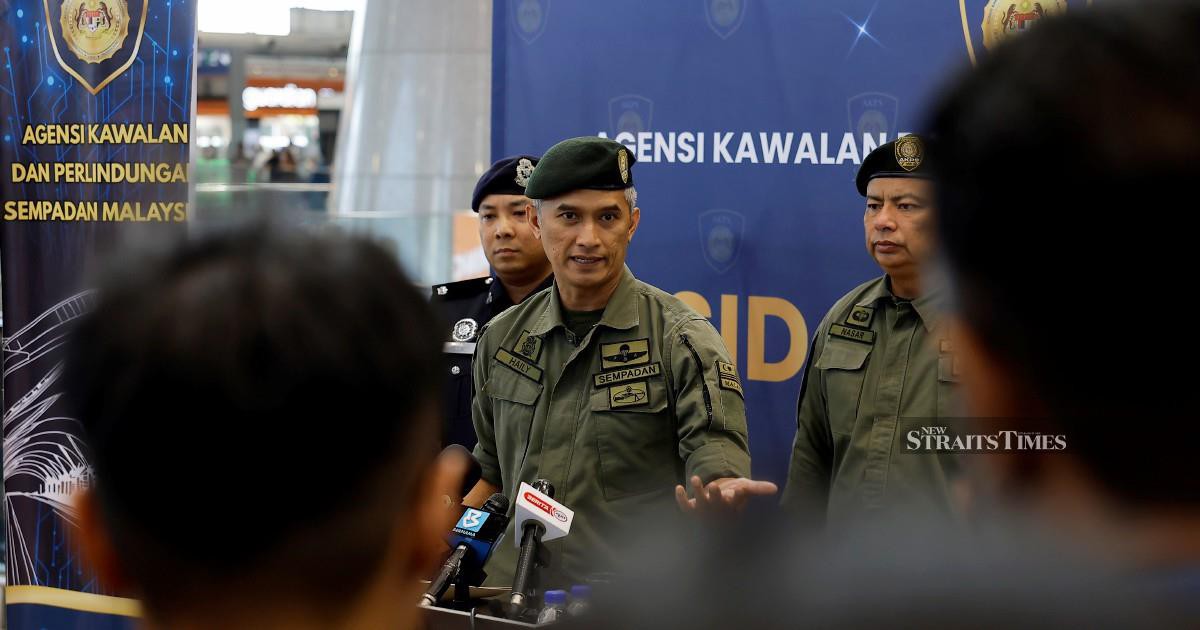
A clarification from Malaysia's border authorities has emerged following the arrest of a Malaysia Airlines pilot in Indonesia last week with a substantial quantity of illegal drugs in his possession. The screening process that allowed the pilot to depart with 70,000 ecstasy pills was carried out by AVSEC, not by any division within the Malaysia Border Control and Protection Agency, according to statements made by a responsible official.
The distinction between the two organisations carries significance for understanding the security procedures at Malaysian airports and the division of labour among agencies tasked with protecting the nation's borders and passengers. AVSEC, which operates independently, manages aviation security screening systems at airports across the country, while MCBA oversees broader border control and protection functions. The clarification sought to address public confusion about which entity bore responsibility for the oversight in this case.
The arrest of the pilot in Indonesia marked an embarrassing moment for Malaysia Airlines and raised serious questions about the effectiveness of airport security protocols designed to prevent dangerous materials and prohibited substances from entering international flight operations. The discovery of such a large quantity of ecstasy pills at a neighbouring country's airport rather than at Malaysia's own departure points prompted swift scrutiny of domestic screening procedures. Authorities moved quickly to conduct their own investigations into how such a significant quantity of drugs could evade detection.
The involvement of AVSEC in the screening process highlights the role this agency plays in aviation security across the region. AVSEC operates screening checkpoints at major airports and is responsible for ensuring that passengers, baggage, and cargo meet security standards before boarding aircraft. The agency implements protocols aligned with international aviation security standards, though such high-profile cases inevitably raise questions about the consistency and rigour of those implementations in practice.
This incident comes at a time when Malaysia continues to grapple with drug trafficking issues both domestically and across its borders. The movement of illicit substances through international travel channels represents a persistent challenge for law enforcement agencies across Southeast Asia. The involvement of a commercial airline pilot in attempting to transport such quantities of illegal drugs adds another troubling dimension, as it suggests potential vulnerabilities in personnel security vetting and ongoing monitoring systems.
The clarification from authorities was important for establishing accountability and understanding the structural failings, if any, that contributed to this breach. When responsibility for security is divided among multiple agencies, clear delineation becomes essential for both operational effectiveness and public confidence. The statement that AVSEC handled the screening rather than MCBA raises questions about coordination between different border security entities and whether information-sharing protocols between agencies functioned appropriately.
For Malaysia Airlines specifically, the incident represents a significant reputational challenge beyond the immediate operational and legal consequences. Airlines depend heavily on public confidence in their safety and security practices, and the arrest of one of their pilots with substantial quantities of illegal drugs inevitably damages that perception, regardless of the specific failures in screening that allowed the situation to occur. The carrier will likely face increased scrutiny and potential regulatory action from aviation authorities in Malaysia and internationally.
The case also illuminates the broader challenge facing Southeast Asian nations in maintaining effective border security while facilitating legitimate international travel and commerce. The region's significant air traffic volumes and the complexity of modern airport operations create inherent challenges for detection systems. Technology, human training, and intelligence-sharing all play roles in identifying and preventing such violations, and the effectiveness of each varies across different facilities and jurisdictions.
Moving forward, this incident will likely prompt reviews of AVSEC's screening procedures, staff training protocols, and quality assurance mechanisms. Authorities may examine whether existing technology for detecting drugs at airport security checkpoints is adequate, whether X-ray systems and other detection equipment at the relevant airport were functioning optimally, and whether personnel were sufficiently trained and alert. The investigation into how the pilot managed to transport the drugs through departure screening will inform any necessary improvements to detection capabilities.
The distinction made by officials between AVSEC and MCBA also serves to clarify the institutional landscape of Malaysian border security for public understanding. Both entities play crucial roles in protecting Malaysia's borders and maintaining aviation security, and the clarity about which agency handled the screening in this case helps establish proper lines of accountability. The incident serves as a reminder that security systems, however well-designed, remain dependent on consistent human implementation and vigilant oversight to be truly effective.
As investigations continue both domestically and in coordination with Indonesian authorities, the focus will remain on understanding the specific failures that allowed the breach and implementing corrective measures to prevent similar incidents in future. The case underscores the interconnected nature of regional security and the importance of robust protocols at every point in the travel chain, from home airport screening through to the destination facility where the drugs were ultimately discovered.

