%22%2F%3E%3C%2Fpattern%3E%3C%2Fdefs%3E%3Crect%20width%3D%22100%25%22%20height%3D%22100%25%22%20fill%3D%22url(%23ph1wplzg)%22%2F%3E%3Crect%20width%3D%22100%25%22%20height%3D%22100%25%22%20fill%3D%22url(%23ph1wplzp)%22%2F%3E%3Ctext%20x%3D%2250%25%22%20y%3D%2250%25%22%20text-anchor%3D%22middle%22%20dominant-baseline%3D%22central%22%20fill%3D%22rgba(255%2C255%2C255%2C0.95)%22%20font-family%3D%22Georgia%2C%20'Times%20New%20Roman'%2C%20serif%22%20font-weight%3D%22700%22%20font-size%3D%22170%22%20letter-spacing%3D%22-0.02em%22%3EMalaysia%3C%2Ftext%3E%3C%2Fsvg%3E)
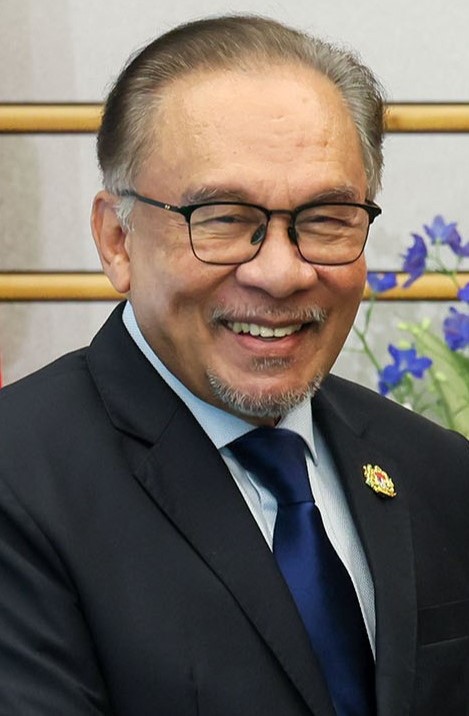
Prime Minister Anwar Ibrahim and his Bangladeshi counterpart Prime Minister Sheikh Hasina highlighted the need for comprehensive safeguards against worker exploitation during talks in Putrajaya on June 22, marking a significant diplomatic focus on one of the region's most pressing labour issues. The two leaders recognised that migrant workers from Bangladesh constitute a substantial portion of Malaysia's foreign workforce, yet many remain vulnerable to abuse, wage theft, and unsafe working conditions. Their joint commitment signals a shift towards more proactive government intervention in protecting vulnerable workers who often lack adequate recourse or support systems in their host countries.
The agreement reflects mounting pressure on both governments to address systemic failures in how migrant workers are recruited, deployed, and monitored across Malaysia's construction, manufacturing, plantation, and domestic service sectors. Bangladesh has long expressed concerns about its citizens working abroad facing substandard treatment, including overcrowded accommodation, excessive working hours, and exploitation by unscrupulous employers and labour brokers. Prime Minister Tarique Rahman emphasised the urgency of expanding employment opportunities whilst ensuring that the recruitment pipeline itself becomes more transparent and equitable, moving away from a system historically riddled with hidden fees, false job promises, and deceptive contracts.
Under Malaysia's current migrant labour framework, recruitment typically occurs through licensed agencies operating in both countries, yet enforcement gaps and corruption among intermediaries remain widespread problems. Workers often arrive in Malaysia having paid substantial upfront fees to recruiters, leaving them indebted and desperate to accept exploitative terms to recoup their losses. The lack of standardised wage protection mechanisms and weak oversight of employer compliance means that once workers cross the border, many find themselves trapped in situations bearing little resemblance to their original employment agreements. Both leaders recognised that without fundamental reform of these recruitment pathways, worker welfare initiatives alone cannot adequately address the root causes of exploitation.
Prime Minister Anwar's emphasis on migrant welfare reflects Malaysia's economic dependence on foreign labour whilst acknowledging growing domestic concern about worker rights and the country's international reputation. Malaysia hosts more than two million migrant workers, making it one of the region's largest employers of foreign labour, yet investigations by human rights groups have consistently documented cases of wage non-payment, wage deduction, contract substitution, and unsafe working environments. The Malaysian government has faced international criticism over its handling of migrant worker complaints, with limited avenues for workers to report abuse without fear of deportation. By elevating this issue to the prime ministerial level, both countries signalled intent to move beyond rhetoric and establish concrete mechanisms for accountability.
The agreement to pursue fairer recruitment processes holds particular significance for the tens of thousands of Bangladeshi workers entering Malaysia annually. A reformed system would likely include standardised employment contracts in workers' native languages, elimination or capping of recruitment fees, credential verification for employers, and independent auditing of working conditions. Bangladesh's government has taken steps to regulate its recruitment agencies more strictly, and alignment with Malaysian policy objectives could create a more coherent bilateral framework that protects workers at multiple stages of employment. However, implementation remains challenging given the vested interests of labour brokers, the informal nature of much recruitment, and capacity constraints in monitoring systems.
For Malaysian employers, particularly in labour-intensive sectors facing chronic workforce shortages, the new emphasis on fairer recruitment presents both compliance obligations and potential opportunities. Companies that invest in ethical recruitment and worker welfare may secure preferential access to foreign labour supplies and enhance their international standing. Conversely, those relying on exploitative practices face increased scrutiny from government inspectors and potential reputational damage. The construction and manufacturing sectors, which heavily depend on Bangladeshi workers, will likely face enhanced inspections and compliance requirements in coming months.
The bilateral agreement also addresses the broader geopolitical context of Southeast Asian labour migration. As more countries implement stricter labour standards and worker protections, Malaysia risks losing competitive advantage if workers increasingly choose alternative destinations perceived as safer or fairer. Bangladesh, meanwhile, relies on worker remittances as a crucial source of foreign exchange, making it imperative that workers succeed and retain earnings rather than falling victim to exploitation or debt bondage. Both governments recognised that strengthening worker protections ultimately serves their mutual economic interests.
Regional observers note that Malaysia's approach to migrant worker governance has long lagged behind countries like Singapore and South Korea in terms of enforcement rigour and independent oversight. The agreement with Bangladesh could serve as a model for similar bilateral arrangements with other source countries including Indonesia, Myanmar, and the Philippines, potentially creating a more standardised regional approach to migrant worker rights. However, sceptics question whether genuine reform will materialise without increased resource allocation for enforcement agencies and meaningful penalties for non-compliant employers and recruiters.
The timing of this agreement coincides with growing domestic Malaysian discourse about immigration, labour market saturation, and social integration. Some commentators argue that stricter recruitment standards and workplace protections could reduce the appeal of migrant labour to exploitative employers, thereby indirectly encouraging mechanisation and workforce upskilling among local workers. Others contend that appropriate safeguards need not reduce labour supply significantly if matched by improved training and development of migrant workers. Both perspectives underline the complexity of balancing humanitarian concerns with economic realities in Malaysia's labour market.
Looking ahead, both governments must establish clear timelines, measurable targets, and accountability mechanisms for implementing the agreed protections. Mechanisms could include joint task forces to investigate complaints, regular bilateral reviews of recruitment agency performance, worker awareness campaigns in both countries, and coordinated sanctions against repeated violators. The success of this agreement will ultimately depend on political will to challenge entrenched interests and the willingness of both governments to allocate adequate resources to enforcement. For the hundreds of thousands of Bangladeshi workers currently in Malaysia, and those considering migration, the proof of commitment will lie not in diplomatic statements but in tangible improvements to their safety, wages, and treatment at work.