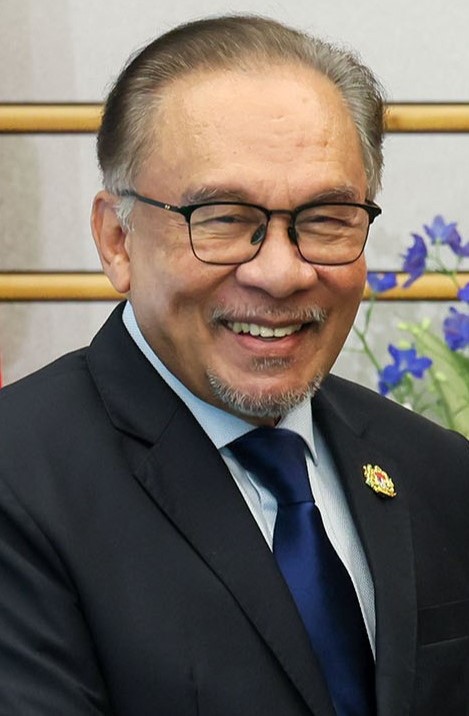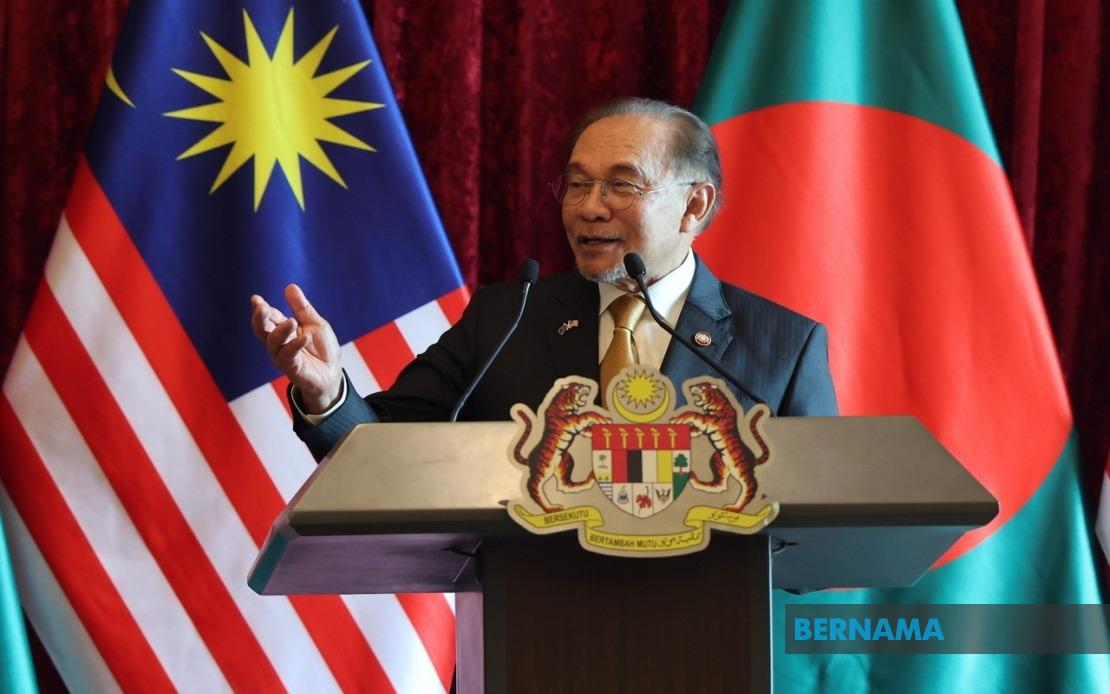
Prime Minister Datuk Seri Anwar Ibrahim and visiting Bangladesh Prime Minister Tarique Rahman have committed to revitalising institutional channels between the two nations, signalling renewed momentum in a relationship that has long been constrained by bureaucratic delays. The undertaking, announced during Tarique's official two-day visit to Putrajaya, centres on reactivating the Joint Commission Meeting and Bilateral Consultations—mechanisms that have languished without regular convening for an extended period. Both leaders recognised that systematic high-level engagement forms the foundation for coordinated progress on shared economic and political priorities across South and Southeast Asia.
The resumption of these formal dialogue structures carries particular weight given Malaysia's geographical and economic integration with the broader South Asian region. Regular meetings between Malaysia's and Bangladesh's senior officials would facilitate more efficient resolution of bilateral issues and establish predictable channels for addressing emerging concerns. Tarique's presence in Putrajaya underscores Bangladesh's determination to strengthen ties with a major Southeast Asian economy, particularly as Dhaka seeks to diversify its international partnerships beyond traditional arrangements. For Malaysia, reengaging with Bangladesh through structured mechanisms responds to the reality that the two nations share overlapping interests in regional stability, maritime security, and labour mobility.
Central to the bilateral agenda is the question of Bangladeshi migration to Malaysia, a relationship that profoundly shapes labour dynamics in Malaysian manufacturing, construction, and services sectors. The joint statement acknowledged that Bangladeshi workers constitute a vital element of Malaysia's development trajectory, contributing significantly to economic activities and fostering cultural exchanges between populations. This recognition reflects Malaysia's evolving perspective on labour migration—moving beyond viewing migrant communities merely as a workforce component to acknowledging their broader role in bilateral relations and societal integration. The Bangladeshi expatriate presence in Malaysia spans decades and encompasses hundreds of thousands of individuals whose remittances support families and communities across Bangladesh.
However, the two governments adopted a measured approach regarding Bangladesh's proposal to increase worker recruitment into Malaysia. The joint statement made explicit that Malaysia maintains strict oversight of foreign labour intake, with new quota approvals evaluated individually against verified employer needs and sector-specific capacity limits. This cautious posture reflects domestic Malaysian concerns about labour market saturation, skill mismatches, and the need to protect local employment opportunities. The framework articulates Malaysia's refusal to permit quota expansion as a blanket concession, instead requiring case-by-case scrutiny that serves both countries' interests by matching workers to genuine positions rather than facilitating speculative recruitment.
To operationalise labour migration policy in a manner serving both nations' evolving circumstances, the two prime ministers agreed to establish a Joint Working Group dedicated to managing Bangladeshi worker flows. This body will undertake a comprehensive evaluation of the existing Memorandum of Understanding governing bilateral labour arrangements, which has become outdated given transformations in both economies and shifting migration patterns. The working group's mandate extends to drafting a modernised MoU that reflects contemporary realities—including enhanced worker protections, clearer recruitment standards, and mechanisms addressing both Malaysian employers' needs and Bangladeshi workers' welfare concerns.
The emphasis on transparent, non-discriminatory, and competitive recruitment processes constitutes a significant commitment in a regional context where labour trafficking and exploitative practices have historically undermined worker protection. Both Malaysia and Bangladesh pledged that any approved worker quotas would funnel exclusively through credible, qualified recruitment agencies, implicitly signalling a rejection of informal channels and unregulated labour brokers. This commitment acknowledges that previous arrangements sometimes facilitated problematic intermediaries who extracted excessive fees or provided false information to prospective migrants. By insisting on institutional safeguards, the two governments attempt to restore integrity to bilateral labour flows and protect workers from deception and exploitation.
The bilateral visit also highlighted the significance of people-to-people connectivity beyond formal labour arrangements. The joint statement noted that sustained high-level visits and regular dialogue strengthens mutual understanding and fosters cooperative relationships across multiple domains. For Malaysia, Bangladesh represents a source of cultural and religious affinity—both are Muslim-majority nations with shared interests in promoting Islamic moderation and interfaith understanding. The presence of established Bangladeshi communities in Malaysian cities creates informal networks that facilitate knowledge exchange, business partnerships, and social cohesion beyond governmental frameworks.
From a strategic Southeast Asian perspective, Malaysia's recommitment to Bangladesh engagement reflects recognition of Bangladesh's increasing geopolitical weight. As the world's eighth-most populous nation and a significant maritime actor in the Bay of Bengal, Bangladesh holds implications for regional stability and supply chain resilience. Strengthening institutional ties with Dhaka positions Malaysia as a serious player in South Asian affairs and provides additional diplomatic channels for addressing transnational challenges including human trafficking, maritime security, and refugee management. For Bangladesh, deepening Malaysian engagement offers access to Southeast Asian institutions and networks while diversifying economic partnerships beyond South Asia.
The labour cooperation dimensions carry particular implications for Malaysia's economic strategy in an era of demographic transition and skills shortages. Malaysian employers in labour-intensive sectors continue facing recruitment challenges as local workforce participation declines and younger Malaysians pursue tertiary education. Bangladeshi workers, many possessing relevant experience and motivated by remittance opportunities, provide a pragmatic labour source when properly managed. However, Malaysia's insistence on strict quota controls and worker protections reflects awareness that unmanaged migration creates social tensions, wage pressure on low-skilled local workers, and public backlash against immigration.
The commitment to modernising the labour migration framework through a comprehensive working group process signals that both governments recognise previous arrangements require updating. Migration patterns have shifted since earlier MOUs were negotiated, with demographic change, automation, and sectoral evolution creating different labour demands. A new framework should address contemporary concerns including digital skills training, portable benefits schemes, and mechanisms for addressing worker grievances more swiftly than current procedures. Such modernisation could serve as a model for other ASEAN nations managing South Asian labour flows.
Tarique's visit and the resulting commitments demonstrate that institutional renewal requires consistent high-level engagement. By pledging to resume Joint Commission Meetings and Bilateral Consultations, both leaders signalled that bureaucratic stagnation would no longer characterise Malaysia-Bangladesh relations. Regular dialogue creates accountability, facilitates faster problem-solving, and signals to civil society and business communities that the bilateral relationship merits investment. For Malaysian policymakers, establishing predictable engagement schedules with major regional partners like Bangladesh strengthens Malaysia's ability to address transnational challenges cooperatively rather than through reactive, ad-hoc responses.
Looking ahead, the success of these renewed mechanisms depends on both governments' capacity to implement commitments and translate agreements into functioning institutions. The joint working group on labour migration must move expeditiously toward drafting an updated MoU that addresses contemporary realities while maintaining adequate protections for workers and employers. Regular Joint Commission Meetings must generate substantive outcomes rather than perfunctory statements. For Malaysia's broader Southeast Asian leadership aspirations, demonstrating effective bilateral management with South Asian partners establishes credentials for addressing region-wide challenges. The Bangladesh-Malaysia renewal, though bilateral in scope, carries implications for how ASEAN nations manage diverse partnerships across a multipolar Indo-Pacific region characterised by competing interests and increasing interdependence.