%22%2F%3E%3C%2Fpattern%3E%3C%2Fdefs%3E%3Crect%20width%3D%22100%25%22%20height%3D%22100%25%22%20fill%3D%22url(%23ph12wosg)%22%2F%3E%3Crect%20width%3D%22100%25%22%20height%3D%22100%25%22%20fill%3D%22url(%23ph12wosp)%22%2F%3E%3Ctext%20x%3D%2250%25%22%20y%3D%2250%25%22%20text-anchor%3D%22middle%22%20dominant-baseline%3D%22central%22%20fill%3D%22rgba(255%2C255%2C255%2C0.95)%22%20font-family%3D%22Georgia%2C%20'Times%20New%20Roman'%2C%20serif%22%20font-weight%3D%22700%22%20font-size%3D%22170%22%20letter-spacing%3D%22-0.02em%22%3EMalaysia%3C%2Ftext%3E%3C%2Fsvg%3E)
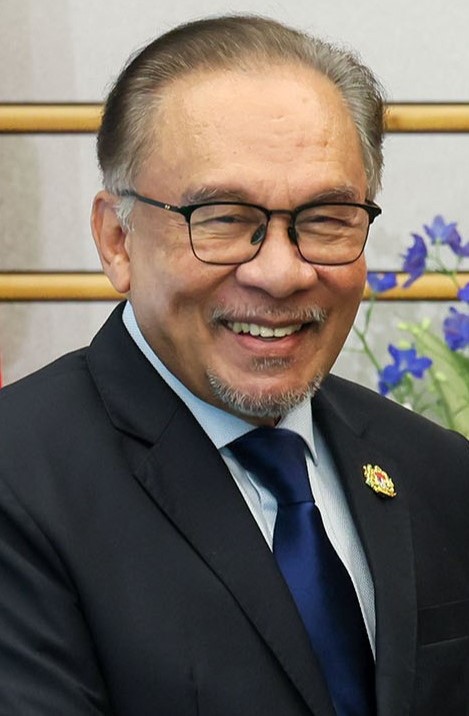
Prime Minister Datuk Seri Anwar Ibrahim and Bangladesh Prime Minister Tarique Rahman have reached a consensus that the systematic exploitation and mistreatment of migrant workers represents an unacceptable crisis that both nations must jointly address. The bilateral agreement, announced at a joint press conference in Putrajaya on June 22, signals renewed momentum in tackling longstanding humanitarian concerns that have plagued labour migration corridors across Southeast Asia for decades.
Anwar emphasised that while migrant workers remain economically indispensable to Malaysia's continued growth trajectory, their protection must become a foundational principle guiding bilateral labour cooperation. He acknowledged that the recruitment and deployment of foreign workers has historically generated significant controversy and ethical concerns, particularly regarding the treatment, compensation, and living conditions of vulnerable workers far from their home countries. The Prime Minister stressed that both governments must pivot towards establishing mechanisms that guarantee dignity and fairness at every stage of the employment relationship.
The commitment to transparency represents a critical shift in how Malaysia and Bangladesh approach labour market access. Anwar indicated that recruitment systems require comprehensive overhaul to eliminate opaque intermediaries and exploitative practices that have traditionally enriched agents at the expense of workers. He called for bilateral standards that satisfy the regulatory requirements of both nations while simultaneously safeguarding the welfare of individual workers and protecting their families who depend on remittances. This framing acknowledges a harsh reality: labour migration often entraps entire household networks in conditions of precarity and vulnerability.
Bangladesh, as a major labour-exporting nation, has consistently advocated for expanded access to Malaysian employment markets. During the bilateral discussions, Tarique formally requested that Malaysia expand recruitment of Bangladeshi workers and accelerate the reopening of labour pathways that may have been restricted or suspended. Bangladesh views Malaysia as a critical destination for its workforce, and securing expanded quotas would have significant economic implications for millions of Bangladeshi households dependent on foreign remittances. The request reflects Bangladesh's determination to leverage bilateral political engagement to advance its labour export agenda.
The humanitarian dimensions of this agreement carry particular weight for Malaysia, which hosts approximately two million migrant workers—among the highest concentrations in Southeast Asia. These workers predominantly originate from Bangladesh, Indonesia, Nepal, Myanmar, and the Philippines, and they constitute roughly seven percent of Malaysia's total workforce. They labour across construction, domestic work, manufacturing, and plantation sectors, often in roles characterized by physical danger, wage theft, document confiscation, and severe restrictions on mobility and freedom of association. Media investigations and NGO reports have repeatedly documented abusive conditions and exploitation networks operating with relative impunity.
Anwar's public emphasis on eliminating "excesses" and establishing transparency signals awareness that Malaysia's international reputation has suffered from persistent allegations of labour trafficking, forced labour, and systematic abuse. These accusations have invited scrutiny from international human rights organisations and diplomatic pressure from labour-exporting countries seeking stronger protections for their nationals. The June 2023 U.S. State Department Trafficking in Persons Report, for instance, maintained Malaysia on its watch list due to concerns about insufficient enforcement against labour trafficking perpetrators. Committing to reformed recruitment systems addresses these international concerns while responding to domestic civil society advocacy.
The agreement also implicitly recognises that informal recruitment networks and unscrupulous agents have historically exploited information asymmetries and desperation among migrant workers. Workers from Bangladesh and other source countries often encounter massive upfront fees, misleading employment contracts, misrepresented working conditions, and wage deductions that obliterate promised earnings. Once deployed, many face contract substitution—where workers discover their actual employment terms differ dramatically from promised arrangements. Establishing transparent, regulated systems would theoretically expose these deceptive practices and enable workers to make informed decisions before departure.
Implementing such reforms presents practical challenges that both governments must navigate collaboratively. Malaysia would need to strengthen enforcement mechanisms against employers who violate wage protections, working hour limits, and occupational safety standards. Bangladesh would require enhanced capacity to verify employer credentials and monitor conditions faced by deployed nationals. Both nations benefit from improved diplomatic channels for resolving individual worker grievances without allowing disputes to escalate into bilateral tensions. Establishing joint oversight bodies, standardising employment contracts, and instituting independent inspections represent concrete mechanisms that could strengthen worker protections.
The bilateral agreement must also address the structural vulnerabilities that render migrant workers susceptible to exploitation. Migrant workers typically lack robust legal recourse mechanisms, possess limited access to justice, and experience language barriers that impede complaint filing. Many fear reporting abuses due to concerns about deportation, visa cancellation, or employer retaliation. Both governments could strengthen migrant worker hotlines, establish independent complaint mechanisms, and guarantee that workers can report violations without jeopardising their employment status. Such institutional innovations would create protective infrastructure currently absent across much of Southeast Asia.
For Malaysia specifically, reformed recruitment practices carry implications beyond individual worker welfare. Addressing labour exploitation bolsters Malaysia's competitiveness in attracting source-country participation in managed migration programmes. Countries become reluctant to send workers to destinations with documented abuse patterns, creating labour supply constraints that undermine employer competitiveness. Conversely, Malaysia's reputation as a destination offering transparent, fair employment conditions would enhance its ability to attract and retain skilled migrant workers. Bangladesh's request for expanded recruitment pathways thus depends substantially on Malaysia's demonstrated commitment to implementing the protections outlined in this bilateral agreement.
The road ahead requires sustained political commitment beyond rhetorical gestures. Both governments must allocate resources to enforcement, training labour inspectors, establishing independent oversight mechanisms, and ensuring meaningful penalties for employers who violate labour standards. Civil society organisations from both nations should participate in monitoring implementation and holding governments accountable. Without concrete follow-up mechanisms and measurable progress indicators, the agreement risks becoming symbolic rather than transformative. The true test emerges through documented improvements in migrant worker conditions over months and years ahead.