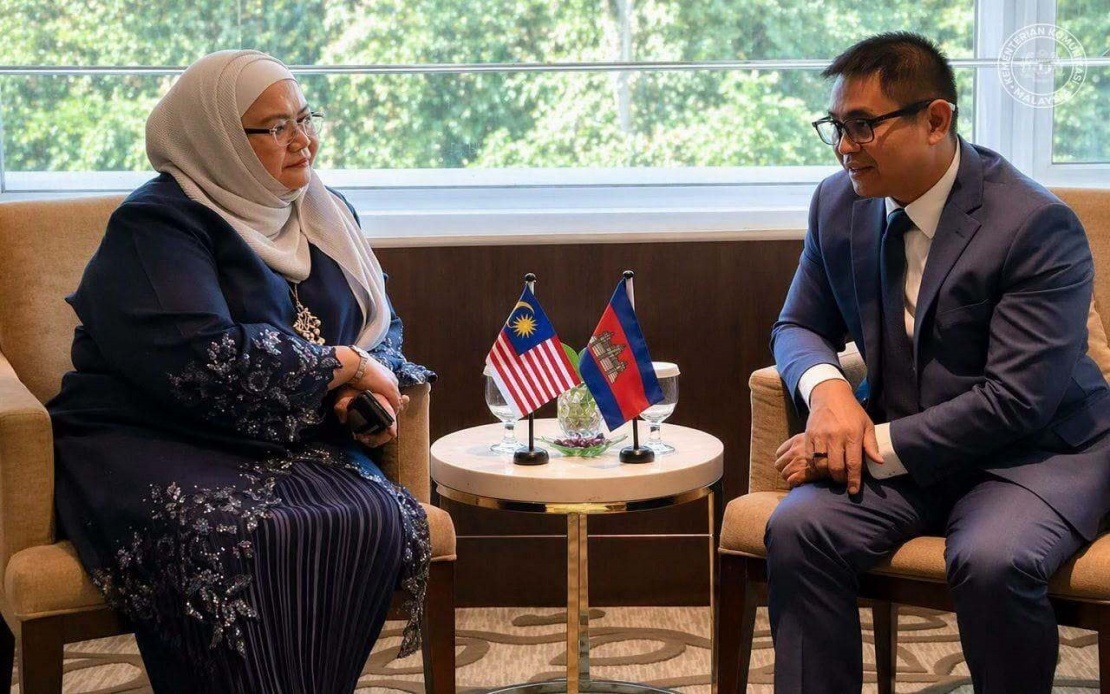
Malaysia and Cambodia are moving forward with substantive plans to operationalise their freshly minted partnership on information and media development, with senior officials from both nations meeting this week to map out concrete steps for rolling out the ambitious agreement. The bilateral discussion took place on the margins of the 23rd ASEAN Senior Officials Responsible for Information Meeting held in Bandar Seri Begawan, Brunei, underscoring the two countries' commitment to advancing their media sectors as part of broader regional cooperation efforts within ASEAN.
The accord between the two Southeast Asian neighbours was inked on 20 June during the National Journalists' Day celebration in Penang, with Communications Minister Datuk Fahmi Fadzil and Cambodian Information Minister representative Prak Thaveak Amida putting their signatures to the document. The signing marked a formal commitment to deepen ties across information exchange, media development initiatives, and digital transformation—areas increasingly critical as both nations grapple with rapid technological change and evolving information ecosystems.
Leading the Malaysian delegation during Wednesday's implementation discussion was Deputy Secretary-General (Strategic Communications and Creative Industry) Datuk Bahria Mohd Tamil, while the Cambodian side was represented by Secretary of State of the Ministry of Information Prak Thaveak Amida. The presence of senior officials from both countries' communications apparatus signals that this is more than symbolic diplomacy; rather, it reflects genuine intent to translate policy into action across the media and journalism sectors.
During the working session, both delegations explored how to coordinate efforts on information exchange mechanisms that could facilitate knowledge-sharing between Malaysian and Cambodian media institutions, broadcasters, and journalism organisations. This operational focus extends to practical collaboration in training, capability development, and institutional strengthening—areas where Malaysia's more developed media infrastructure and digital capabilities could prove mutually beneficial when paired with Cambodia's growing media ambitions and market potential.
Media development and digital transformation featured prominently in the discussions, reflecting global trends that have reshaped newsrooms and broadcasting operations everywhere. Both nations face the challenge of modernising their information ecosystems while maintaining standards of accuracy and ethical practice. For Malaysia, which has invested significantly in digital infrastructure and content production, sharing expertise in these domains positions the country as a regional knowledge partner. Cambodia, meanwhile, stands to gain from best practices in digital journalism, online content management, and technology adoption.
Another key theme centred on information integrity and tackling misinformation—a concern that transcends borders and affects both developed and developing media landscapes. The bilateral forum provided opportunity for both countries to discuss strategies for combating false narratives, protecting journalistic independence, and strengthening fact-checking capabilities. This dimension of the cooperation reflects growing acknowledgment across Southeast Asia that robust information ecosystems are essential to democratic governance and social stability.
The timing of this partnership gains added significance within the ASEAN context, where media cooperation frameworks increasingly serve as bridges for regional understanding and coordination. By establishing bilateral protocols on information and media development, Malaysia and Cambodia are contributing to a broader architecture of media professionalism and standards across the region. Such bilateral partnerships often feed into multilateral initiatives and help establish norms for journalism practice, digital media governance, and cross-border content challenges.
For Malaysian stakeholders including local news organisations, broadcasters, and digital media companies, the Cambodia partnership opens pathways for editorial collaboration, content distribution, and market expansion in a neighbouring country with growing digital penetration and media consumption. Cambodian partners likewise gain access to Malaysian expertise, training programmes, and potential technology partnerships that could accelerate their own media modernisation efforts. The agreement essentially formalises what might otherwise remain sporadic cooperation into sustained institutional engagement.
Looking forward, observers note that the success of such media cooperation agreements hinges on follow-up mechanisms, dedicated funding, and clear deliverables. The fact that both countries convened specifically to discuss implementation—rather than simply signing and shelving the document—suggests a more mature approach to bilateral engagement. Regular working groups, exchange programmes for journalists and media professionals, and collaborative projects on digital literacy and journalism training are likely next steps that could emerge from these early discussions.
The broader geopolitical context matters too. Enhanced media cooperation between Malaysia and Cambodia reflects strengthening bilateral ties across multiple domains and reinforces ASEAN solidarity at a time when regional cohesion faces various pressures. Media and information partnerships, while sometimes overlooked compared to trade or security agreements, are increasingly viewed as foundational to building mutual understanding and preventing information-driven conflicts.
For Malaysia's Communications Ministry, this partnership represents progress on a strategic objective of positioning the country as a regional media hub and thought leader on information governance. The emphasis on digital transformation and information integrity aligns with domestic priorities around developing Malaysia's digital economy and strengthening institutional capacity to address contemporary media challenges.

