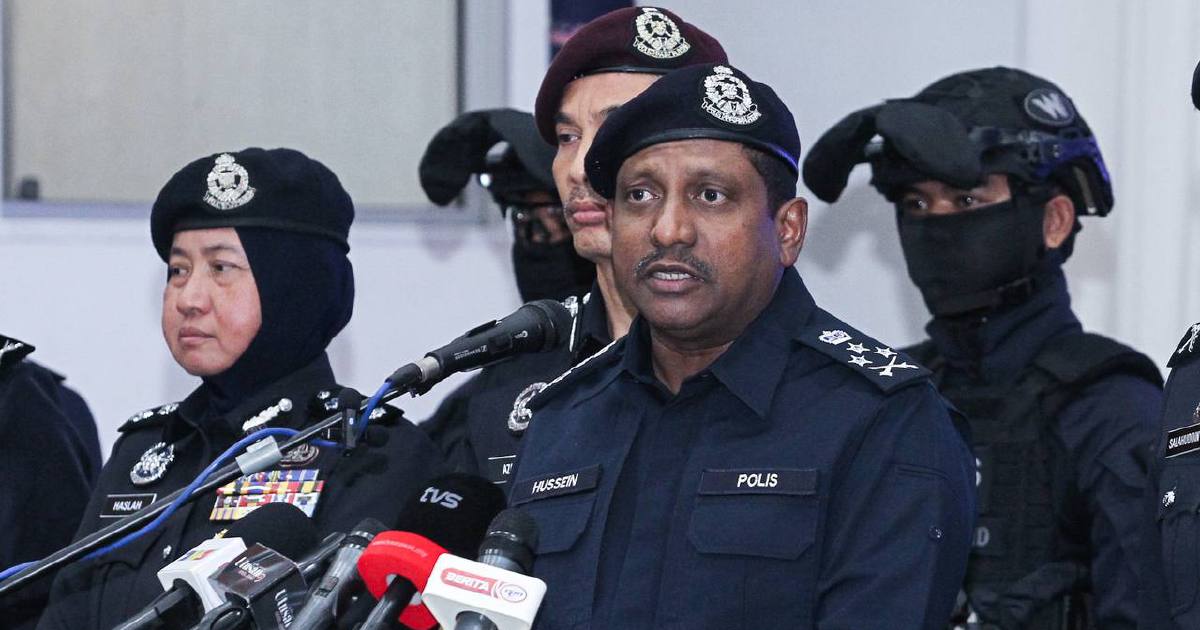
The Royal Malaysia Police's Criminal Investigation Department at Bukit Aman headquarters has announced plans to coordinate closely with their Indonesian law enforcement partners as authorities examine a case involving a Malaysian pilot detained in Indonesia on suspicion of attempting to illicitly transport drugs into Indonesian territory. This collaborative approach underscores the deepening security partnership between the two neighbouring nations in combating transnational drug trafficking, a persistent challenge across Southeast Asia.
The Malaysian pilot's arrest represents a concerning escalation in smuggling attempts by regional nationals, as drug cartels continue to exploit air routes and cross-border vulnerabilities. Indonesian authorities initiated the detention following discovery of the alleged smuggling operation, prompting immediate notification to Malaysian law enforcement agencies. The involvement of a commercial or private aviation professional suggests that organised networks may be strategically recruiting individuals with aviation credentials to circumvent conventional screening procedures at airports and borders.
Bukit Aman's commitment to joint investigation protocols reflects Malaysia's broader counter-narcotics strategy, which increasingly emphasises bilateral and multilateral cooperation with neighbouring countries. Such integrated approaches have become essential in recent years as drug traffickers employ more sophisticated methods to move contraband across Southeast Asian borders. The Royal Malaysia Police has established dedicated liaison teams within Indonesian law enforcement agencies to facilitate real-time intelligence sharing and coordinated operational responses.
Indonesia has emerged as a critical frontline in Southeast Asia's war on drugs, with authorities implementing some of the region's most stringent anti-narcotics enforcement measures. The country faces relentless pressure from drug smuggling networks seeking to move synthetic drugs, methamphetamine, and other controlled substances through its archipelagic territory towards regional markets and beyond. Malaysian involvement in smuggling attempts into Indonesia reflects broader concerns about Malaysian citizens and residents becoming entangled in transnational drug operations.
The investigation will likely examine the pilot's connections, financial transactions, and communications to identify potential network members and supply sources. Malaysian police will need to determine whether the arrested individual acted independently or as part of an organised smuggling operation with connections to Malaysian-based criminal networks. Such investigations typically expand beyond the immediate suspect to map entire smuggling corridors and identify kingpins directing operations from safe locations.
This case arrives amid heightened regional scrutiny of aviation-related security vulnerabilities. Aircraft and airport personnel have historically represented security gaps exploited by smuggling networks due to their access to restricted areas and exemptions from certain screening procedures. Both Malaysian and Indonesian aviation authorities will likely review security protocols and staff vetting procedures in response to the incident, ensuring that employment screening adequately assesses criminal backgrounds and vulnerability to recruitment by organised crime syndicates.
The cooperation framework between Bukit Aman and Indonesian police extends beyond this individual case, encompassing broader intelligence sharing on transnational criminal networks. Regular liaison meetings, joint training programmes, and coordinated enforcement operations have become routine features of bilateral security arrangements. The two nations recognise that drug trafficking networks operate without regard to national borders, requiring law enforcement agencies to adopt similarly flexible and integrated approaches.
For Malaysian citizens, the case serves as a stark reminder of the severe penalties associated with drug trafficking in Southeast Asia. Indonesian law imposes mandatory minimum sentences for drug smuggling, with convictions for substantial quantities potentially resulting in lengthy imprisonment or capital punishment depending on circumstances. Malaysian nationals convicted of drug offences in foreign jurisdictions face repatriation procedures and additional complications affecting their legal status and ability to work in aviation or security-sensitive sectors.
The investigation's outcomes will likely inform policy discussions within both nations regarding aviation sector recruitment, employee monitoring, and cross-border law enforcement protocols. Regional aviation bodies and industry associations may also implement additional security certifications or training requirements for personnel handling sensitive areas or materials. These preventative measures aim to reduce the attractiveness of aviation careers to individuals vulnerable to recruitment by smuggling networks.
Looking forward, this collaboration exemplifies the necessity for persistent regional engagement in combating drug trafficking. Malaysia's strategic geographic position makes it both a transit point and source country for narcotics destined for regional and international markets. The arrest of a Malaysian pilot in Indonesia underscores how trafficking networks exploit professional credentials and cross-border mobility, requiring sustained intelligence gathering, international cooperation, and coordinated law enforcement responses from all Southeast Asian nations.

