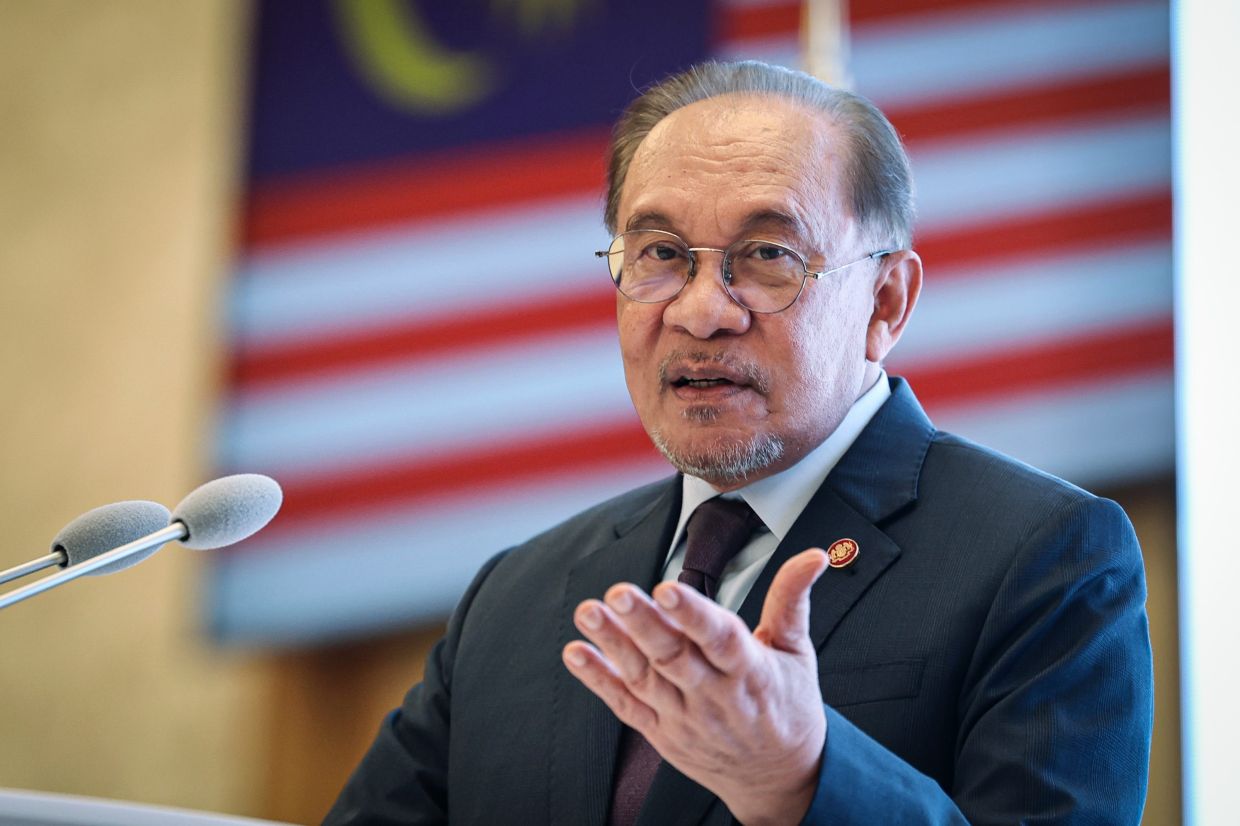
Prime Minister Datuk Seri Anwar Ibrahim has signalled that the long-awaited master plan for the Johor-Singapore Special Economic Zone will reach completion in the coming months, marking a significant milestone in one of the region's most ambitious cross-border development projects. Speaking after a high-level meeting with Singapore President Tharman Shanmugaratnam, Anwar emphasised the solid progress achieved so far and both nations' determination to bring the transformative initiative to fruition.
The bilateral conversation took place during Tharman's three-day state visit to Malaysia from July 13 to 15, a trip undertaken at the invitation of His Majesty Sultan Ibrahim, King of Malaysia. As both prime minister and finance minister, Anwar used the occasion to review the trajectory of Malaysia-Singapore relations and discuss matters of strategic importance to both nations. The JS-SEZ project, which promises to unlock substantial economic opportunities across the southern tip of Johor and the island-state, featured prominently in their discussions.
The Johor-Singapore Special Economic Zone represents a defining collaboration between two of Southeast Asia's most economically dynamic nations. The initiative seeks to create an integrated economic region that leverages Singapore's financial expertise, digital infrastructure, and market access alongside Johor's geographic position, land availability, and growing industrial capacity. For Malaysia, the project carries particular significance as it could catalyse broader development across the southern corridor and generate substantial employment opportunities for Johor's workforce. The master plan will serve as the blueprint governing everything from land use and taxation to regulatory frameworks and cross-border logistics.
In his public statement, Anwar highlighted that discussions extended beyond the JS-SEZ to encompass the broader Malaysia-Singapore relationship and emerging regional dynamics. Both leaders reaffirmed their commitment to addressing outstanding bilateral matters through constructive dialogue, underscoring an approach grounded in mutual respect and reciprocal understanding. This emphasis on collaborative problem-solving reflects a deliberate diplomatic posture, particularly important given the historical complexities that have occasionally characterised ties between the two neighbours.
The prime minister expressed optimism that the strengthened bilateral engagement would yield tangible benefits for ordinary citizens of both countries. Rather than focusing narrowly on government-to-government transactions, Anwar framed the relationship in terms of shared prosperity and improved living standards. This people-centric narrative suggests that Malaysian policymakers view the JS-SEZ not merely as a commercial venture but as a vehicle for broad-based economic development that extends opportunities to communities in both jurisdictions.
The finalisation of the master plan represents the culmination of years of technical discussions and negotiation between Malaysian and Singaporean officials. Achieving consensus on such a complex cross-border project requires alignment on numerous operational matters: customs procedures, dispute resolution mechanisms, labour regulations, intellectual property protections, and environmental standards. The fact that both nations have moved this close to finalisation indicates genuine political will to proceed and suggests that most contentious issues have been resolved or accommodated through creative compromise.
For the wider Southeast Asian region, the successful launch of the JS-SEZ carries implications extending far beyond the immediate participants. The project demonstrates that despite the challenges of globalisation and competing national interests, neighbouring nations can establish frameworks for deep economic integration. Other ASEAN member states grappling with questions about how to enhance regional connectivity and competitiveness may view the JS-SEZ as a practical model, particularly regarding mechanisms for managing cross-border investment, infrastructure sharing, and dispute avoidance.
The timing of Anwar's announcement also reflects Malaysia's broader economic agenda. As the nation navigates post-pandemic recovery and seeks to diversify its economic base beyond traditional sectors, special economic zones represent a proven policy instrument. The JS-SEZ, positioned within one of Malaysia's most developed states, can serve as an anchor for sophisticated manufacturing, financial services, technology innovation, and supply chain management activities. Its proximity to Singapore creates natural synergies that could attract multinational corporations seeking to establish regional hubs.
Looking ahead, the finalisation of the master plan will likely trigger a second phase involving legislative alignment, institutional establishment, and physical infrastructure development. Both governments will need to pass necessary legislation, establish dedicated governance bodies to oversee the zone, and initiate construction of transport links, utilities, and commercial facilities. These subsequent steps, while technically substantial, typically move faster once foundational agreements are in place and political commitment is demonstrated at the highest level.
Anwar's emphasis on trust and mutual respect as guiding principles for Malaysia-Singapore cooperation reflects lessons learned from previous bilateral projects and disputes. By anchoring the relationship in these values rather than transactional gains, both nations are attempting to build more resilient institutional frameworks capable of withstanding inevitable future disagreements. The success of the JS-SEZ will substantially depend on whether this cooperative spirit can be maintained when implementation challenges inevitably arise and differing interpretations of agreements emerge, as frequently occurs in complex multinational ventures.

