Malaysia has taken a significant diplomatic step by officially registering its candidacy to serve as a non-permanent member of the United Nations Security Council for the 2036–2037 term, marking a strategic move to amplify its voice on global governance reform at a critical juncture in international relations. The submission comes as Kuala Lumpur continues to advocate for fundamental restructuring of the world body, particularly the elimination of vetoing powers that have long frustrated smaller nations seeking equitable representation on matters of global consequence.
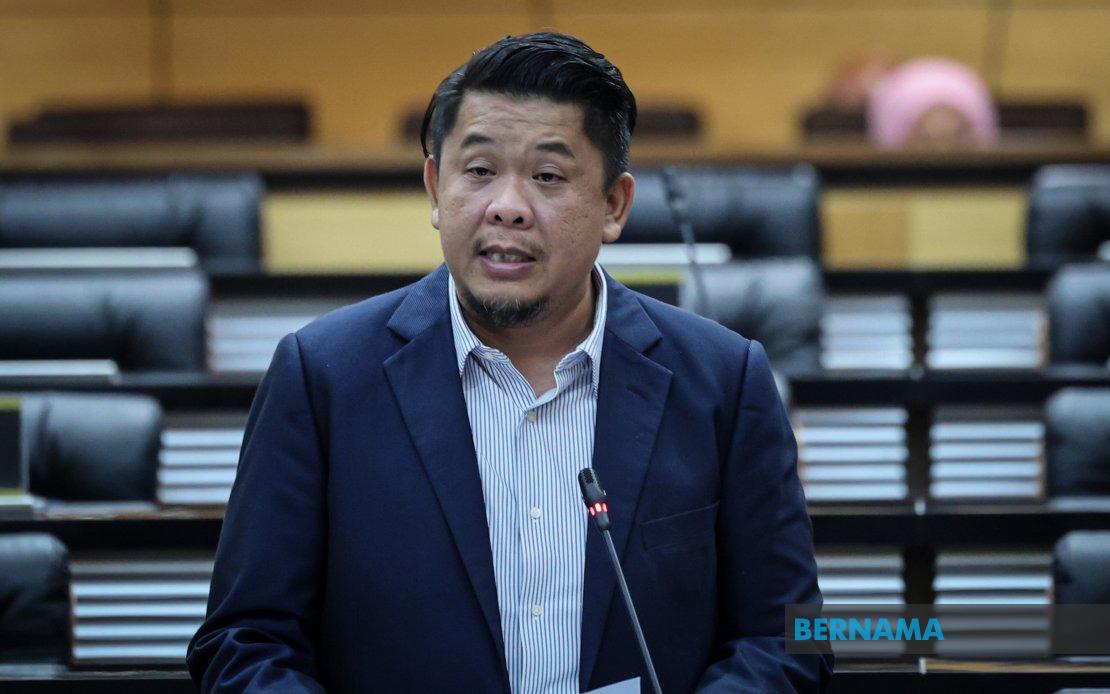
Deputy Foreign Minister Datuk Lukanisman Awang Sauni confirmed Malaysia's formal bid while emphasizing that the country intends to leverage any Security Council role to champion institutional reform and peace initiatives. Speaking in Parliament, he articulated a vision where Malaysia's presence on the council would serve not merely as a seat at the table, but as a platform from which to challenge what Kuala Lumpur views as outdated Cold War-era power structures that concentrate decision-making authority among a handful of permanent members.
The veto mechanism has emerged as Malaysia's central concern regarding UNSC legitimacy. According to Lukanisman, the absolute veto powers granted to China, France, Russia, the United Kingdom, and the United States represent a fundamental injustice within the current international order. Malaysia contends that this concentrated authority prevents the council from responding effectively to grave humanitarian crises and security threats, as any permanent member can unilaterally block collective action regardless of broader consensus.
Particulously, Malaysia is advocating for a modified framework that would restrict veto usage in cases involving egregious violations of international law. The proposal specifically targets situations involving war crimes, genocide, crimes against humanity, and deliberate attacks on civilian infrastructure. This position reflects Malaysia's concern over recent international conflicts where veto powers have allegedly been deployed to shield nations accused of violations, with the ongoing situation in Gaza cited as a prominent example of how the current system can perpetuate suffering.
The timing of Malaysia's candidacy submission is deliberate. Foreign Minister Datuk Seri Mohamad Hasan will use the forthcoming 81st UN General Assembly session in New York this September to deliver Malaysia's formal position on these matters. This national statement represents a crucial opportunity for the government to position itself as a champion of reform-minded voices within the developing world, appealing to the substantial constituency of nations that similarly chafe under the veto system's constraints.
Malaysia's approach reflects broader sentiment within the Global South regarding UN reform. Many developing nations have long contended that the Security Council's composition and voting rules reflect geopolitical realities of 1945 rather than the contemporary world. The council's five permanent members with veto authority represent less than 15 percent of the UN's current membership, yet their preferences can override the collective will of the organization's 193 member states. Malaysia's renewed push for change taps into widespread frustration with this asymmetry.
Previously, Malaysia held a non-permanent seat on the Security Council during 2015-2016, during which time it built credibility on peace and security issues. The country has engaged substantively in various peace processes and humanitarian initiatives, positioning itself as a constructive voice capable of bridging divides between developed and developing nations. A return to the council would allow Malaysia to build on this foundation while advancing its reform agenda with accumulated diplomatic experience.
For Southeast Asia specifically, Malaysia's candidacy carries regional significance. As a major ASEAN voice on the international stage, Malaysia's representation would potentially enhance ASEAN's collective influence on global security matters. The region has increasingly emphasized the need for reformed multilateral institutions that reflect the realities of a multipolar world and respect the principle of sovereign equality among nations, regardless of their economic or military capacity.
Domestically, the initiative also reflects Malaysia's commitment to international law and multilateralism as core foreign policy pillars. By positioning itself as a principled advocate for institutional reform, the government appeals to constituencies that value Malaysia's traditional role as a voice for developing nations and small states within the global system. The emphasis on abolishing practices that enable impunity for grave crimes also resonates with Malaysia's stated commitment to international humanitarian principles.
The path to securing the non-permanent seat involves competitive elections typically held at the UN General Assembly. Malaysia will need to build consensus among voting nations, though non-permanent seats are generally less contentious than permanent positions. The campaign period spanning the next two years provides ample opportunity for Malaysia to advance its reform messaging and consolidate support among fellow developing nations and reform-minded governments.
Malaysia's candidacy announcement signals its intention to remain an active participant in efforts to modernize global governance structures. Whether the veto abolition proposal gains traction remains uncertain, as permanent members show little inclination to voluntarily surrender such significant institutional privilege. However, Malaysia's persistent advocacy contributes to an evolving international conversation about whether the current UN structure adequately serves contemporary needs for global peace and security.
The submission also underscores Malaysia's diplomatic pragmatism. Rather than remaining outside the council while criticizing its structures, Malaysia seeks membership from which to advocate for change. This approach acknowledges that meaningful reform requires negotiation with existing power holders and participation in the institutions one seeks to reform. It reflects a mature understanding that international change often emerges through patient engagement rather than confrontational opposition.

