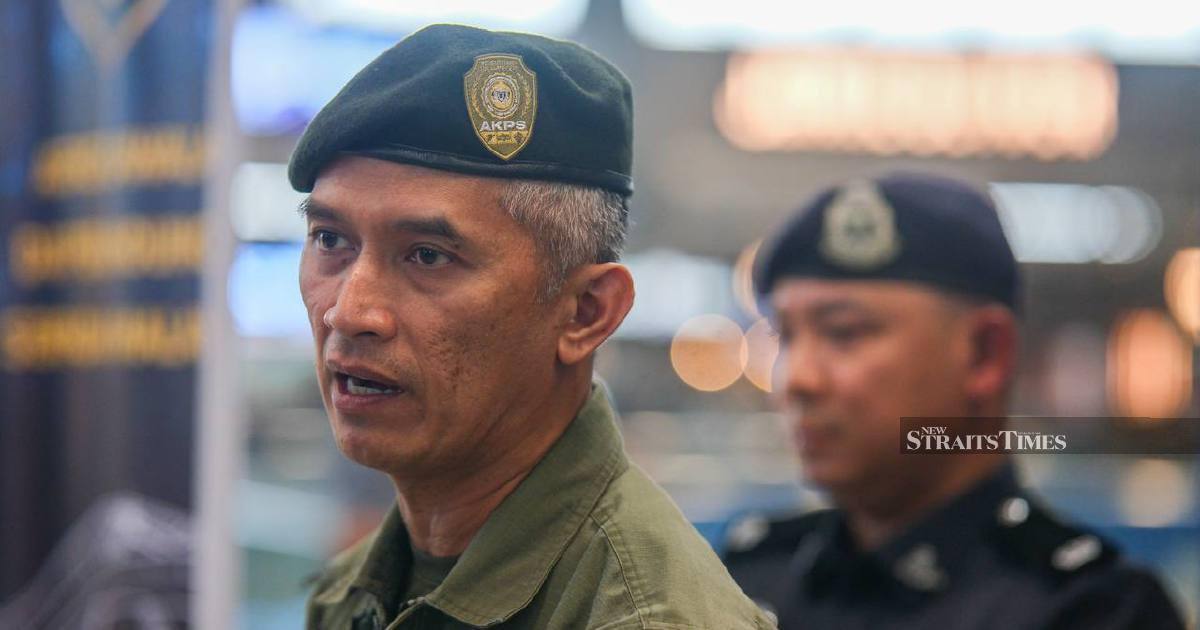
The Malaysia Border Control and Protection Agency (MCBA) has deliberately maintained an open investigative stance regarding the drug smuggling allegations ensnaring a Malaysia Airlines pilot detained across the Strait of Malacca, refraining from dismissing the possibility of counter-setting as a factor in the case.
In remarks made at SEPANG, agency officials suggested that the inquiry remains fluid and that no premature conclusions have been reached about the involvement of orchestrated framing operations in the pilot's predicament. This cautious approach reflects the complexity surrounding cross-border drug trafficking investigations that implicate commercial aviation personnel, who occupy a sensitive position within Malaysia's transportation security architecture.
Counter-setting, as the agency contextualises it, refers to scenarios where individuals or criminal syndicates deliberately engineer circumstances to entangle targeted persons in drug-related allegations, potentially through planting contraband or falsifying evidence. Such tactics have emerged in previous international cases involving high-profile victims, raising questions about whether malevolent actors exploited the pilot's flight routes and access privileges for illicit purposes.
The measured tone from MCBA leadership reflects institutional awareness that premature public statements could compromise ongoing investigative work while simultaneously affecting the Indonesian legal proceedings now underway. Malaysia and Indonesia maintain robust cooperation frameworks through bilateral channels, and statements from Malaysian authorities carry weight in how Indonesian counterparts pursue their inquiry. The agency's hesitation to rule out counter-setting speaks to both the seriousness with which it treats such possibilities and the diplomatic sensitivity of commenting on cases within another nation's jurisdiction.
Malaysia Airlines employees occupy a unique vulnerability in global supply chains for illicit substances, given their frequent international movements, access to airport infrastructure, and relative freedom of movement across borders. Organised smuggling networks have historically targeted airline crew members as potential facilitators, either through coercion, financial incentive, or deliberate framing. The emergence of this case has prompted broader reflection within aviation security circles across Southeast Asia regarding the screening and monitoring of flight personnel.
The agency's refusal to foreclose any investigative avenue reveals institutional recognition that multiple causative scenarios could explain how a Malaysia Airlines pilot became entangled in an international drug trafficking allegation. Whether the pilot knowingly participated in smuggling activities, whether he was manipulated into participation through deception, or whether he became victim to a deliberate setup remains an open question that the investigation must definitively resolve.
Indonesia's handling of the case proceeds through its own legal apparatus, independent of Malaysian oversight, though intelligence sharing between the two nations' law enforcement agencies occurs through established protocols. The pilot's detention represents one of several recent cases highlighting aviation sector vulnerabilities to exploitation by transnational criminal networks operating across Southeast Asia's increasingly interconnected airspace and borders.
For Malaysia Airlines as an institution, the allegations pose reputational challenges and operational concerns. Airlines operating across the region face heightened scrutiny regarding crew vetting procedures, internal security protocols, and cooperation with border control authorities. The case illuminates potential gaps in personnel monitoring systems that theoretically should detect anomalous patterns suggesting involvement in prohibited activities.
The MCBA's public statements serve multiple audiences simultaneously: they reassure Malaysian citizens that authorities investigate thoroughly without rushing to judgment; they signal to Indonesian counterparts that Malaysian agencies remain engaged partners in the inquiry; and they indicate to international aviation communities that Southeast Asian security frameworks treat aviation-related smuggling with appropriate gravity. This multi-layered communication dynamic explains the agency's seemingly non-committal language, which actually reflects sophisticated consideration of competing institutional and diplomatic interests.
Sector observers note that counter-setting scenarios, while dramatic, represent statistically smaller proportions of actual pilot-involved trafficking cases, suggesting investigators may retain healthy scepticism toward such theories while nevertheless maintaining procedural openness. The extensive investigation into the pilot's background, communications, and flight history would likely reveal evidence supporting or refuting deliberate framing hypotheses.
The case's ultimate resolution carries implications extending beyond the individual pilot's legal fate. Malaysian aviation security frameworks, crew monitoring procedures, and inter-agency intelligence protocols will face scrutiny based on how thoroughly investigators determine what actually transpired. Should counter-setting indeed be involved, it would expose serious vulnerabilities in how criminal networks can weaponise trusted personnel against themselves, demanding comprehensive systemic responses across the region's aviation sector.

