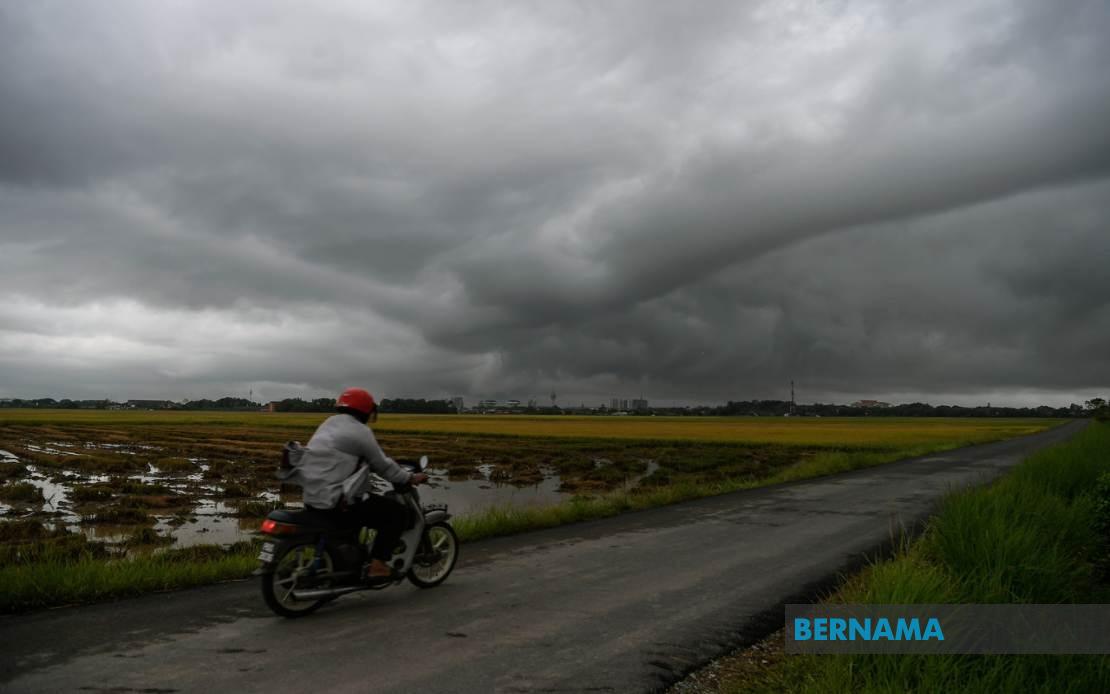
Residents across a wide swathe of Malaysia are being advised to exercise caution as the Malaysian Meteorological Department issued a comprehensive weather alert on Thursday covering thunderstorms, heavy rainfall, and gusty winds across eight states extending until 6pm. The alert encompasses both Peninsular Malaysia and East Malaysia, reflecting the broad geographical scope of the adverse conditions expected to develop through the afternoon.
The alert zone on Peninsular Malaysia spans five states with particular vulnerability in northern and eastern regions. In Kedah, the vulnerable districts include Kota Setar, Yan, Pendang, Kuala Muda, and Sik—covering both urbanised areas and more rural districts. Perak faces similar risks in the Manjung and Perak Tengah districts, while Terengganu's Kemaman area is flagged as a concern. The central region is not spared, with Kuantan in Pahang and Hulu Langat in Selangor both identified as zones where severe weather may develop.
Negeri Sembilan rounds out the Peninsular Malaysia warnings, with the districts of Jelebu and Seremban placed under alert status. This geographical spread reflects the potential for scattered convective systems to develop across the country during the afternoon hours, a common pattern during Malaysia's southwest monsoon season when moisture-laden winds interact with land heating to trigger unstable atmospheric conditions.
In East Malaysia, the alert extends to both major states, with Sarawak seeing particular focus on Sarikei in the Sibu division and Mukah in the Tanjung Manis and Daro areas. These low-lying coastal and riverine districts face heightened risk of flash flooding should heavy precipitation materialise. Sabah faces a multi-district threat across three administrative regions: the Interior Division encompasses Keningau and Tambunan, the West Coast Division covers Papar and Penampang, and the coastal district of Sandakan with Kinabatangan also remains under observation.
The combination of thunderstorms and heavy rain poses particular dangers for motorists navigating routes through these areas, with reduced visibility and slick road surfaces creating hazardous conditions. The strong wind component adds another layer of risk, particularly threatening unsecured structures, vegetation, and outdoor installations. For communities in flood-prone areas, the heavy rainfall warning carries significant implications for potential inundation, especially given that some zones have experienced above-average precipitation in recent weeks.
MetMalaysia's decision to specify particular districts rather than issuing blanket state-wide warnings reflects the increasingly granular approach to weather forecasting adopted by the department. This precision allows residents and emergency management authorities to concentrate resources and preparation efforts on genuinely vulnerable zones. The six-hour window until evening provides a defined timeframe within which residents can adjust activities, secure properties, and remain alert for hazardous conditions.
The timing of the alert—issued for conditions persisting until early evening—aligns with typical afternoon convective development patterns in Malaysia's tropical climate. The afternoon heating of land surfaces creates buoyancy that can trigger rapid cloud development and precipitation. By specifying an end time of 6pm, MetMalaysia indicates confidence that conditions should stabilise as evening approaches and solar heating diminishes.
For those in affected areas, standard precautions remain advisable: avoiding unnecessary outdoor activities during the alert period, ensuring drainage systems are clear, securing loose outdoor items, and remaining informed through official weather updates. Drivers should reduce speed and exercise heightened caution, particularly on routes passing through low-lying or flood-prone sections. Authorities in flood-prone localities typically activate enhanced monitoring protocols during such alerts, positioning personnel and equipment for rapid response should flooding develop.
The alert underscores the dynamic and sometimes unpredictable nature of Malaysia's tropical weather patterns, where conditions can shift rapidly from benign to hazardous within hours. Modern meteorological forecasting has substantially improved the lead time available to communities for preparation, though the localised nature of thunderstorms means some areas will experience more severe impacts than others. Public compliance with weather alerts and adoption of recommended precautionary measures remain crucial elements of Malaysia's disaster risk reduction framework, particularly during the monsoon seasons when severe weather events cluster.

