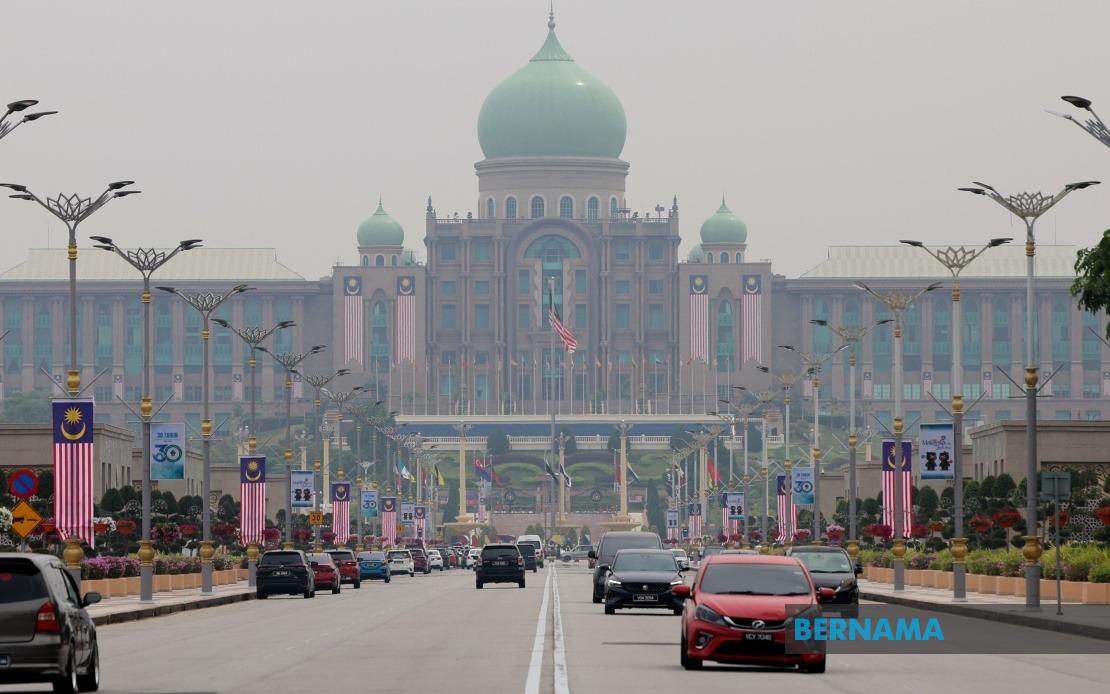
Malaysia has escalated calls for coordinated regional action to combat the escalating threat of transboundary haze pollution, warning that ASEAN member states must collectively strengthen their preparedness frameworks before conditions deteriorate further. Natural Resources and Environmental Sustainability Minister Datuk Seri Arthur Joseph Kurup conveyed this message through official channels to ASEAN Secretary-General Dr Kao Kim Hourn, emphasising that preventive measures, robust national readiness, and vigilant monitoring represent the cornerstones of an effective regional response aligned with the ASEAN Agreement on Transboundary Haze Pollution.
The push for enhanced cooperation reflects growing concerns about the timing and trajectory of seasonal fire activity across Southeast Asia. Kurup highlighted that current meteorological patterns show prolonged dry spells gripping the southern portions of the ASEAN region, a development that has already sparked a noticeable uptick in hotspot detection and localised haze formation. What distinguishes this year's situation, however, is the anticipated strengthening of the El Niño phenomenon over coming months—a pattern historically associated with extended drought periods and more widespread, intense fire activity that can breach national boundaries with alarming speed.
To fortify regional defences, Malaysia has outlined a multi-layered approach that member states should adopt with greater urgency. The framework demands that each nation intensify surveillance operations targeting high-risk fire zones, tighten enforcement mechanisms against open burning practices that remain prevalent in agricultural and land-clearing operations, and ensure firefighting resources and personnel maintain peak operational status. Kurop emphasised that these measures cannot succeed in isolation; rather, they require synchronised implementation across all member states, with particular emphasis on early detection systems and real-time information sharing that enables rapid cross-border responses.
The Malaysian government's intervention arrives at a critical juncture when fire incidents remain relatively contained within individual national territories. Yet this containment, officials caution, offers only temporary comfort. The borderless nature of atmospheric pollution means that escalation in one country can swiftly translate into air quality crises across multiple neighbours, as has been demonstrated repeatedly during previous El Niño episodes. By signalling the need for heightened vigilance now, Kurop's statement attempts to inject urgency into regional discussions before conditions deteriorate beyond manageable proportions.
A cornerstone of Malaysia's proposed response involves maximising the coordinating capacity of the ASEAN Secretariat, which operates the Interim ASEAN Coordinating Centre for Transboundary Haze Pollution Control. This body plays a pivotal role in disseminating real-time fire and air quality data among member states, facilitating the harmonisation of preparedness protocols, and strengthening the operational linkages established under the longstanding AATHP framework. Malaysia's public commendation of the Centre's proactive stance represents a diplomatic acknowledgement that institutional mechanisms are in place; what remains lacking is consistent, whole-hearted commitment to their full deployment.
The rationale for early action rests on historical precedent and scientific understanding. Previous El Niño cycles—particularly the severe episodes of 1997-1998 and 2015-2016—have demonstrated the capacity of extended dry seasons to trigger massive forest fires and agricultural burning that blanket neighbouring regions in toxic haze for weeks or months. The resulting public health impacts, economic disruptions to aviation and commerce, and environmental degradation impose substantial costs across the entire region. Malaysia, as a nation frequently downwind of burning zones in Indonesia, has accumulated bitter experience of these cascading effects.
The emphasis on early intervention and accurate information exchange reflects a strategic recognition that haze mitigation operates on a curve of diminishing returns. Investments in prevention and early suppression yield exponentially greater returns than firefighting efforts deployed after fires have achieved large scale and momentum. Accordingly, the Malaysian position advocates for upstream interventions—tighter regulation of land clearing practices, enhanced patrolling of high-risk areas, and rapid response protocols—rather than reactive damage control. This philosophy aligns with international best practices in disaster risk reduction and climate adaptation.
Cultural and economic dimensions further complicate the haze challenge across ASEAN. In several member states, open burning remains an entrenched practice among smallholder farmers and land developers, often because alternative land-clearing methods require capital investment or technical knowledge that actors lack. Stricter enforcement of burning bans, therefore, demands not merely regulatory vigilance but also targeted technical and financial support to help affected communities transition to alternatives. Malaysia's call for collective action implicitly encompasses this development dimension, recognising that enforcement divorced from opportunity creation encounters resistance and replication.
The projection that El Niño conditions will progressively strengthen over forthcoming months introduces a temporal dimension that amplifies the urgency of Malaysia's appeal. If meteorological forecasts prove accurate, the window for preparatory measures narrows considerably. Member states requiring time to conduct equipment maintenance, refresh training protocols, or coordinate personnel arrangements must act immediately rather than delaying until dry season onset. The message Kurop conveyed thus contains an implicit warning: preparedness assumed or delayed until crisis materialises rarely succeeds.
For Malaysia specifically, the stakes extend beyond immediate environmental and health concerns. The nation's tourism sector, particularly highland resorts and international visitor attractions, faces potential disruption from severe haze episodes. Agricultural productivity, particularly in regions dependent on sensitive crops, can suffer when air quality deteriorates. International trade and investment perceptions also hinge partly on environmental stability and the competence with which governments manage shared regional challenges. By publicly championing coordinated preparedness, Malaysia signals to investors and trading partners that the nation takes environmental stewardship seriously and actively pursues collective solutions rather than defensive postures.
The broader diplomatic implication of Malaysia's intervention concerns ASEAN's capacity to move beyond consensus-based inertia when facing tangible transnational threats. The AATHP, signed in 2002, established the institutional and legal foundations for regional cooperation; yet implementation has often languished due to competing national priorities and varying capacities among member states. Malaysia's message to the Secretary-General and its public stance effectively challenge member states to demonstrate that 20 years of accumulated institutional experience can translate into decisive coordinated action.
Looking ahead, the effectiveness of Malaysia's advocacy will depend on whether other ASEAN nations reciprocate with substantive resource allocation and enforcement strengthening rather than rhetorical endorsement. Sustained commitment requires monitoring mechanisms that track implementation progress and accountability frameworks that reward or encourage consistent performance. Malaysia's expression of confidence in member-state commitment, while diplomatically necessary, will ultimately prove justified only through observable improvements in hotspot surveillance, reduced fire incidents during the approaching dry season, and transparent sharing of real-time air quality and fire data across borders. The coming months will reveal whether regional unity against transboundary haze remains aspirational or has genuinely matured into operational practice.

