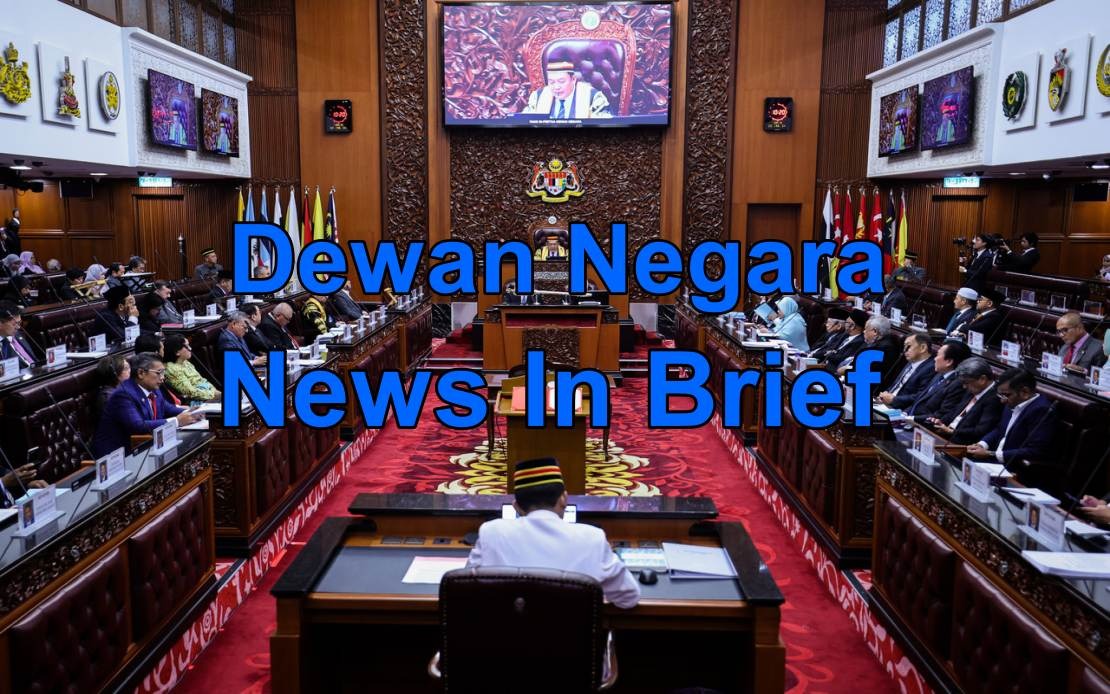
The Malaysian government revealed a comprehensive response to environmental and economic challenges during parliamentary proceedings, with ministries outlining measures spanning climate adaptation, labour welfare and cultural preservation. Speaking in the Dewan Negara, officials disclosed that 35 cloud seeding operations had been executed at carefully selected locations across the nation between February and June, addressing the extended dry conditions linked to the El Niño phenomenon expected to persist into 2027.
These atmospheric interventions operate within a collaborative framework involving the Natural Disaster Management Agency and the Royal Malaysian Air Force, though their deployment depends critically on favourable atmospheric conditions. The primary objectives extend beyond rainfall generation alone; the operations seek to replenish reservoirs that supply water to urban and rural communities, counteract the health and environmental effects of prolonged heat and aridity, and reduce air quality deterioration caused by haze episodes. Deputy Minister Syed Ibrahim Syed Noh characterised the initiative as part of a broader mitigation strategy to protect Malaysia's water security during an anticipated period of climatic stress.
The El Niño pattern poses multifaceted risks to the nation's stability that transcend water supply concerns. Food production systems dependent on consistent rainfall patterns face uncertainty, whilst public health agencies must prepare for heat-related illnesses and potential disease vectors associated with drought conditions. For a nation where water remains both a basic necessity and an economic input across agriculture and manufacturing, the cloud seeding programme represents an acknowledgment that passive adaptation proves insufficient against strengthening climate variability.
On the economic front, the Progressive Wage Policy achieved results exceeding initial expectations, lifting incomes for entry-level workers at 51,363 individuals to date. The median monthly wage for this cohort surged from RM1,900 to RM2,200, translating to a 15.79 per cent improvement in compensation. This threshold is meaningful for workers at the bottom of Malaysia's wage distribution, where purchasing power directly influences household financial stability and consumer spending patterns that sustain broader economic activity. Economy Minister Akmal Nasrullah Mohd Nasir reported that non-entry-level workers similarly experienced gains, with median wages climbing 10.86 per cent to RM2,438 monthly, an increase of RM238.86.
The policy's reach now encompasses 4,025 participating employers, substantially surpassing the original target of 50,000 workers. This expansion indicates employer willingness to adopt wage frameworks beyond minimum standards, possibly reflecting recognition that wage floors support productivity, reduce turnover costs, and improve workforce stability. The government has allocated RM300 million to sustain the initiative through 2027, signalling medium-term commitment to this labour market intervention. However, the ministry acknowledged that comprehensive impact assessment work remains underway to evaluate whether the programme can be extended further without imposing excessive burdens on smaller enterprises.
The policy's design addresses a persistent challenge in Malaysia's development trajectory: ensuring wage growth reaches workers at the bottom of the distribution without pricing labour out of global competitiveness or overwhelming marginal employers. The preliminary results suggest the approach can deliver meaningful improvements whilst maintaining business participation, though larger-scale deployment requires deeper evidence about sectoral effects and regional variations.
Cultural recognition also featured prominently in parliamentary deliberations. The Tourism, Arts and Culture Ministry signalled openness to designating Malaysian Tamil music and compositions as national heritage under the 2005 National Heritage Act. Deputy Minister Chiew Choon Man outlined the statutory pathway: works must undergo rigorous research, documentation and evaluation assessing their artistic merit, cultural significance and historical connections to Malaysia's composite national narrative. This procedural framework ensures heritage designations rest on substantive grounds rather than political convenience.
The move responds to concerns about preserving and archiving local Tamil musical traditions that reflect the nation's ethnic diversity and multicultural history. For Malaysia's Tamil community and cultural custodians, formal heritage status confers recognition and protective frameworks that can support archival efforts, educational integration and transmission across generations. The requirement for detailed scholarly assessment positions such designation as a matter of documented cultural value rather than contentious identity politics, establishing a model potentially applicable to heritage claims from other communities.
Meanwhile, the government indicated it would conduct periodic reviews of the one per cent merchant discount rate levied under the Sumbangan Asas Rahmah assistance initiative. Finance Minister II Datuk Seri Amir Hamzah Azizan clarified that the cost burden falls entirely on participating merchants rather than aid recipients, with the collected discount rate funding operational infrastructure including system maintenance, merchant training and transaction oversight through the Yayasan MyKasih foundation. The government acknowledged specific concerns about the MDR's impact on small retailers and pledged to evaluate whether adjustments might ease pressures on marginal merchants whilst sustaining programme viability.
This commitment recognises that assistance schemes dependent on merchant participation require careful calibration; excessive fees deter participation whilst inadequate cost recovery undermines programme sustainability. The balance between affordability for small traders and operational necessity reflects the tension inherent in market-based subsidy mechanisms that rely on private sector cooperation to reach beneficiary populations. The pledged periodic reviews suggest sensitivity to implementation feedback and willingness to adjust parameters, though concrete timeline or decision frameworks remain unspecified.
Collectively, the parliamentary session illustrated government engagement across climate resilience, inclusive wage growth, cultural preservation and assistance programme administration. Each domain reflects evolving policy sophistication in addressing interconnected challenges: environmental stress threatens food and water security; wage stagnation undermines social cohesion and purchasing power; cultural recognition supports social integration; and assistance scheme design requires constant refinement. Whether these initiatives successfully navigate implementation complexities and generate sustained improvements in Malaysian living standards will determine their ultimate significance beyond parliamentary pronouncements.

