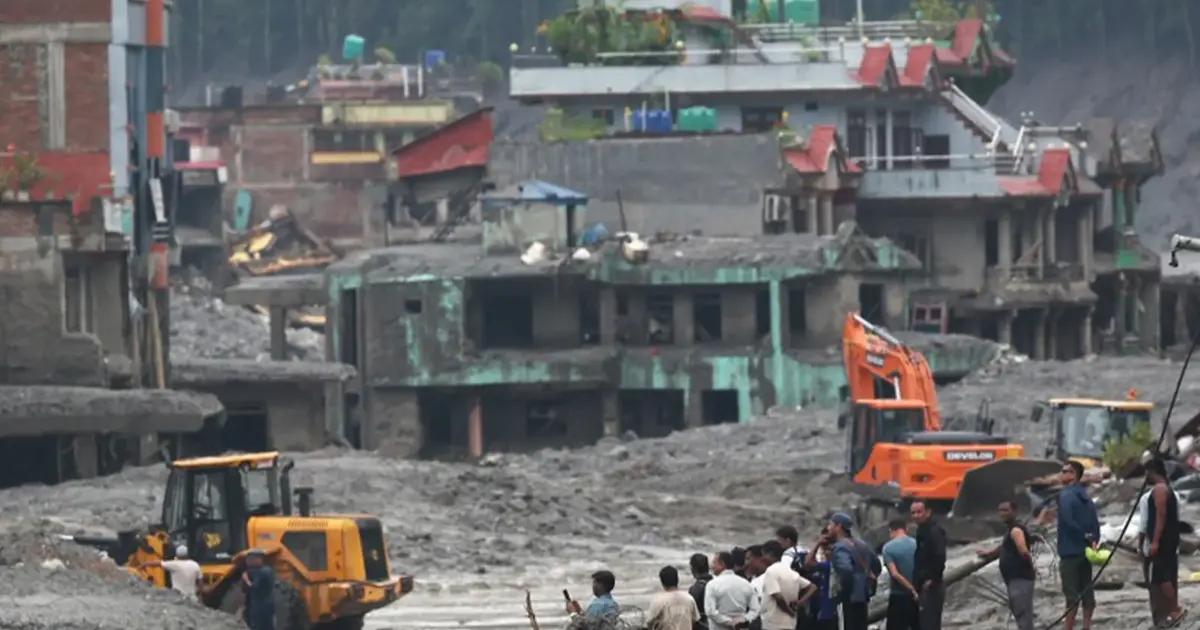
Malaysia has committed to sending its SMART (Specialist Meteorological and Rapid Technical) disaster response team to Nepal, marking another instance of the country's active participation in regional humanitarian initiatives. Prime Minister Anwar Ibrahim disclosed that Malaysian authorities are working in close coordination with their Nepali counterparts to facilitate the team's deployment at the earliest opportunity.
The SMART team represents one of Malaysia's most capable rapid-response units, specifically trained and equipped to handle complex emergency situations arising from natural disasters. The unit comprises technical specialists, engineers, and emergency response personnel who bring expertise in search and rescue operations, structural assessment, and humanitarian logistics. Such deployments underscore Malaysia's strategic positioning as a reliable partner in Southeast Asia and South Asia during times of crisis.
Nepal, a nation frequently struck by seismic activity and extreme weather events, often depends on international assistance to manage large-scale disasters. The Himalayan nation sits atop a volatile tectonic zone and faces recurring challenges from earthquakes, flooding, and landslides that can overwhelm domestic response capabilities. The decision to dispatch the SMART team reflects both the magnitude of Nepal's situation and Malaysia's willingness to contribute meaningful technical resources rather than symbolic support.
The coordination between Malaysian officials and the Nepali government represents standard protocol for international disaster assistance, requiring agreements on team access, deployment locations, operational scope, and integration with local emergency services. Such bureaucratic arrangements, while necessary, can sometimes delay deployment during critical windows when immediate action saves lives and prevents further deterioration of affected areas. Prime Minister Anwar's emphasis on expediting this process signals recognition of the urgency inherent in disaster response operations.
Malaysia's involvement in international disaster relief has evolved substantially over recent years, transforming the nation into a contributor of specialized expertise rather than merely providing financial aid or general humanitarian goods. The SMART team's composition reflects this sophistication, incorporating lessons learned from previous deployments across the region. This capability-building approach has enhanced Malaysia's soft power and regional standing, particularly among nations grappling with environmental vulnerability.
The timing of Malaysia's announcement carries broader implications for regional cooperation frameworks. As climate change intensifies extreme weather patterns across Asia, nations increasingly recognize that disasters transcend borders and demand coordinated multilateral responses. Malaysia's proactive stance encourages other regional powers to develop similar rapid-response mechanisms and establishes precedent for swift, technically competent assistance when emergencies arise.
Nepal's reception of Malaysian assistance also reflects deeper ties between the two nations. Beyond diplomatic relations, Malaysia hosts a significant Nepali diaspora community, creating people-to-people connections that motivate political support for relief efforts. When disasters strike, these humanitarian concerns gain political salience, pushing governments to respond decisively and publicly.
The deployment carries domestic political dimensions within Malaysia as well. Demonstrating capability and willingness to assist neighboring nations aligns with the government's foreign policy objectives of portraying Malaysia as a responsible regional actor committed to stability and prosperity throughout Asia. Such initiatives contribute to Malaysia's broader narrative of responsible multilateralism and constructive engagement with international partners.
From a practical standpoint, the SMART team's arrival in Nepal will likely focus on conducting rapid damage assessment in the most severely affected areas, identifying survivors requiring immediate extraction, and providing technical guidance to local emergency management authorities. The team will work within existing coordination structures established by the Nepali government and the United Nations, ensuring their efforts complement rather than duplicate other international assistance.
The logistics of deploying to Nepal present distinct challenges compared to regional disasters in Southeast Asia. Mountain terrain, infrastructure constraints, and potential communication difficulties require teams to carry substantial self-sufficient equipment and establish independent operating capabilities. Malaysia's previous experience with high-altitude and challenging-terrain deployments positions the SMART team to navigate these complexities effectively.
Looking forward, this deployment reinforces expectations that Malaysia will maintain active involvement in regional crisis response. Other Southeast Asian nations increasingly view Malaysia as an available resource for mutual assistance, though this capability also generates implicit obligations to respond when requested. Balancing these expectations with domestic priorities remains an ongoing challenge for Malaysian policymakers.
The announcement also reflects global recognition that specialized disaster response has become essential infrastructure in an era of climate volatility. Nations investing in professional teams like Malaysia's SMART unit demonstrate long-term commitment to regional stability and humanitarian values. As such capabilities become more widely distributed across Asia, the region's overall resilience to natural disasters improves, potentially saving thousands of lives in future catastrophes.
Prime Minister Anwar's personal involvement in confirming the deployment underscores the political importance Malaysia attaches to the Nepal mission. This high-level attention signals that the assistance carries weight beyond routine humanitarian operations, potentially opening doors for expanded cooperation across multiple sectors as the two nations' relationship develops further.

