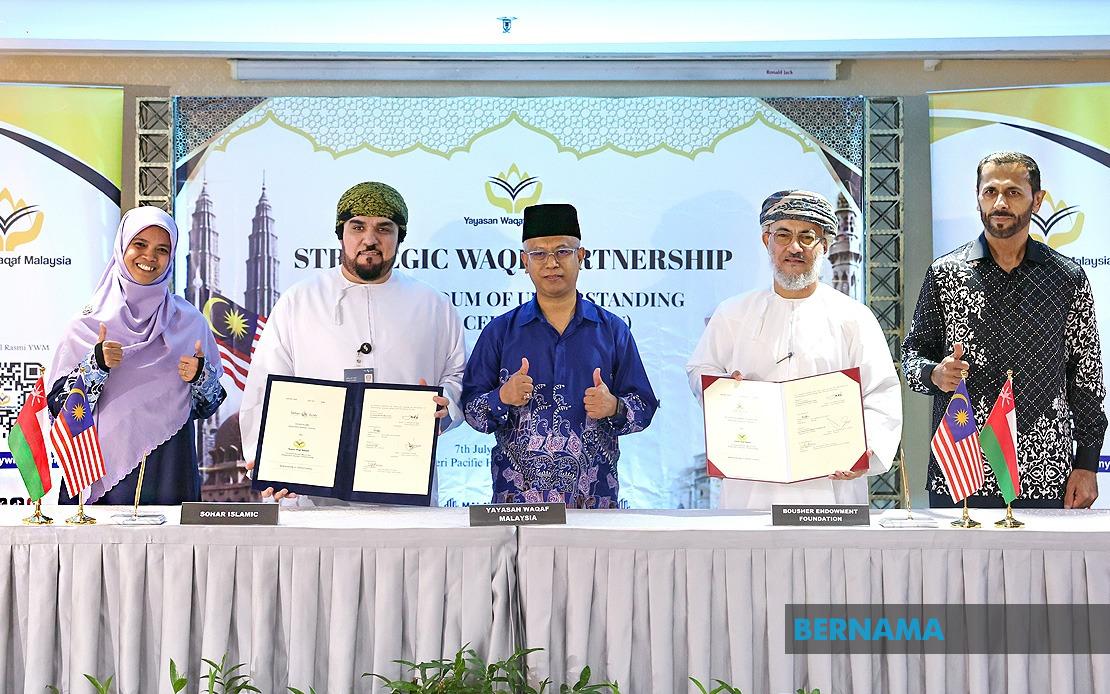
Malaysia is deepening its footprint in global Islamic finance through a landmark collaboration between the Malaysian Waqf Foundation (YWM) and two major Omani institutions, Sohar Islamic and the Boushar Endowment Foundation. The partnership, formalised through a memorandum of understanding signed in Kuala Lumpur on July 7, represents a significant milestone in positioning Malaysian expertise as a sought-after resource for advancing waqf governance and asset development across the Arabian Peninsula. This move underscores a broader strategic shift in how Malaysia is exporting its knowledge and institutional capabilities to fellow Muslim-majority nations, rather than primarily importing foreign expertise as has historically been the case.
The collaboration centres on knowledge exchange, technology transfer, and the adoption of best practices in managing waqf assets—endowments held in perpetuity under Islamic law for charitable purposes. By working with both Sohar Islamic, a financial services provider, and the Boushar Endowment Foundation, YWM gains access to diverse applications of waqf principles in different institutional settings. The partnership also signals confidence from Oman in Malaysia's structured approach to waqf ecosystem development, a recognition that carries particular weight given Oman's own sophisticated Islamic finance sector and the sultanate's historical prominence in regional commerce.
Deputy Minister in the Prime Minister's Department (Religious Affairs) Marhamah Rosli emphasised that this collaboration reflects international acknowledgment of Malaysia's capacity to build innovative, high-impact waqf systems. Speaking at the signing ceremony, she highlighted that such bilateral relationships elevate Malaysia's standing not only domestically but across the Muslim world. The strategic appointment of YWM chief executive Dr Ridzwan Bakar as Waqf Adviser to the sultanate further validates Malaysia's institutional expertise, a development that Marhamah noted represents a reversal of traditional knowledge flows, with Malaysian innovation now being imported rather than Malaysia importing solutions from abroad.
The genesis of this partnership traces to proactive diplomatic and institutional engagement. Dr Ridzwan disclosed that YWM initiated contact with Omani counterparts through visits in 2023 and 2024 specifically to explore cooperation opportunities in waqf development and investment frameworks. Rather than awaiting invitations, YWM positioned itself as a willing knowledge provider, an approach that resonated with Omani stakeholders seeking to strengthen their own waqf infrastructure. The receptiveness from both institutions has resulted in multiple invitations for YWM representatives to advise on waqf development initiatives within Oman, validating the foundation's credibility and technical acumen.
Beyond Oman, YWM is executing an ambitious international expansion strategy that encompasses partnerships with institutions in Kuwait, Qatar, and the United Arab Emirates. This regional network-building effort reflects a deliberate effort to establish Malaysia as the epicentre of waqf innovation and Islamic social finance in Southeast Asia and the broader Muslim world. By cultivating relationships across the Gulf Cooperation Council states, YWM is creating pathways for cross-border capital flows, knowledge sharing, and standardised governance practices that could eventually benefit Malaysian communities through return investment and institutional learning.
A critical dimension of this partnership concerns the mobilisation of investment capital. Dr Ridzwan articulated how developed productive waqf assets can attract strategic investments from Arab nations, thereby positioning Malaysia as a conduit for Gulf capital seeking opportunities in Islamic finance structures. This investment attraction capability could substantially amplify Malaysia's role as an Islamic finance hub, particularly as global investors increasingly seek ethical, Sharia-compliant investment vehicles. The concentration of waqf expertise and institutional infrastructure in Malaysia creates a competitive advantage that distinguishes the country from other regional competitors.
YWM currently operates three investment products through Kenanga Investors that function as platforms for channelling international investment funds into Malaysian waqf structures. These vehicles represent the practical manifestation of Malaysia's theoretical and governance expertise, offering tangible mechanisms for converting global Islamic capital into productive domestic assets. The availability of such investment instruments enhances the attractiveness of Malaysian waqf partnerships to foreign institutions, as they provide tested, regulated pathways for deploying capital while maintaining compliance with Islamic financial principles.
The development of waqf assets carries profound implications for poverty alleviation and community development. Dr Ridzwan framed waqf expansion not merely as religious obligation but as a deliberate economic strategy to generate wealth and strengthen institutional capacity before distributing returns to vulnerable populations. By prioritising asset accumulation and economic strengthening, waqf systems can eventually serve not only traditional asnaf (eligible recipients under Islamic law) but also the B40 and M40 income groups whose numbers have grown significantly across Malaysia. This expanded beneficiary framework transforms waqf from a niche religious institution into a mainstream development tool capable of addressing contemporary inequality challenges.
For Malaysian policymakers and investors, this Omani partnership offers several strategic benefits. First, it validates years of institutional investment in building Malaysia's waqf infrastructure and governance frameworks. Second, it opens pathways for Malaysian financial institutions to access Gulf markets and capital, diversifying funding sources beyond domestic resources. Third, the advisory role for Malaysian experts in Omani waqf development creates ongoing engagement opportunities that strengthen diplomatic ties while generating reputational benefits. Finally, the partnership establishes precedent for other Muslim-majority nations seeking to develop their own waqf ecosystems, potentially positioning Malaysia as a recurring consultant and knowledge partner.
The timing of this collaboration aligns with broader global trends toward ethical finance and impact investing. As international capital increasingly seeks investments aligned with social and environmental objectives, Islamic waqf structures—which by definition prioritise community benefit—become increasingly attractive to both Muslim and non-Muslim investors seeking sustainable returns. Malaysia's demonstrated competence in structuring and managing such assets positions the country advantageously within this emerging investment paradigm, potentially attracting capital that might otherwise flow to other Islamic finance centres like Dubai or London.
Looking forward, the Omani partnership likely represents merely the first stage of YWM's international expansion. The foundation's success in securing advisory appointments and formal collaborations with Gulf institutions suggests growing recognition that Malaysia's approach to waqf governance—combining Islamic principles with contemporary financial technology and transparency standards—offers valuable lessons for other jurisdictions. As waqf assets grow globally and increasingly sophisticated investment mechanisms are developed, Malaysia's institutional expertise and track record position it as an indispensable knowledge partner for Islamic finance development across the Muslim world and beyond.

