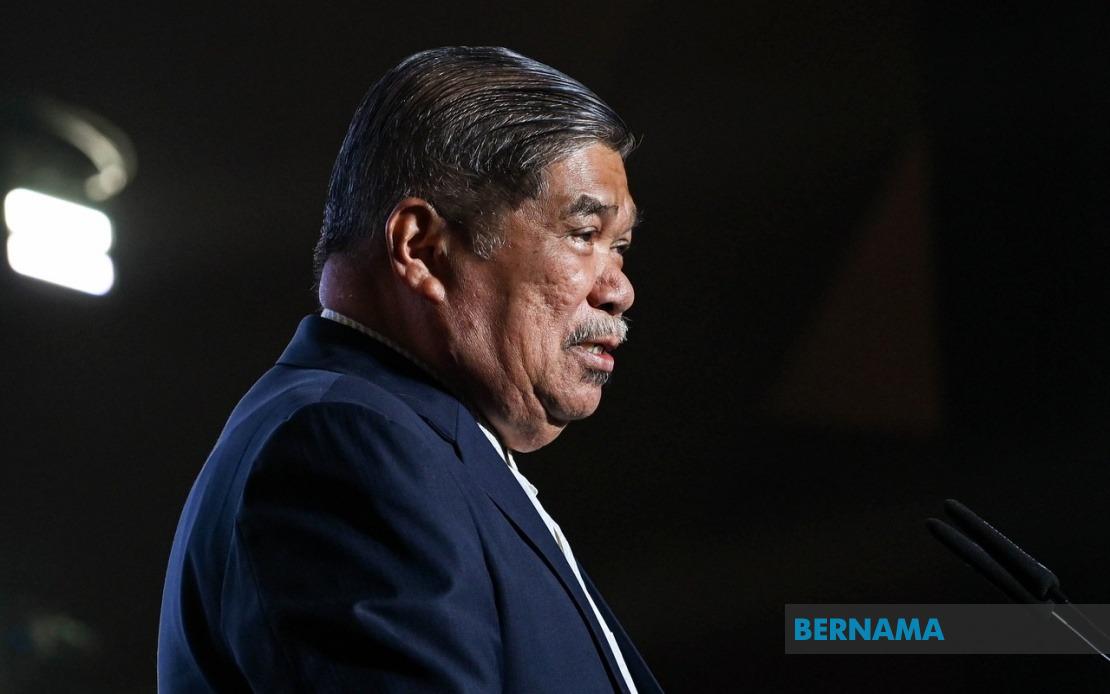
Malaysia is poised to announce the outcome of critical trade negotiations with Thailand by the end of this month, with Agriculture and Food Security Minister Datuk Seri Mohamad Sabu signalling that a resolution is within reach on issues that have strained bilateral agricultural commerce for nearly a decade. The discussions centre on Thailand's ban on Malaysian shrimp exports, a trade barrier that has stood since 2017, alongside separate market access challenges for Malaysian livestock products that have remained unresolved since 2024.
The negotiations have entered their final phase following recent visits by Thai agricultural officials to Malaysia, marking what Mohamad characterised as the most expeditious progress made on resolving these disputes. His comments came during the opening of the Global Animal Production and Veterinary Industry Summit 2026 in Putrajaya, where he underscored the significance of reaching a mutually beneficial outcome for both nations. The minister's confidence about an imminent announcement reflects months of sustained diplomatic engagement between the two countries' agricultural authorities.
The shrimp export restriction represents one of Malaysia's most persistent agricultural grievances with Thailand. The nine-year prohibition has created substantial economic headwinds for Malaysian seafood producers, particularly small and medium-sized enterprises dependent on regional export markets. Beyond the shrimp issue, Malaysia has been pursuing access for its livestock products into the Thai market, a goal that has languished through numerous rounds of discussion without tangible progress until recently.
Complicating the bilateral relationship further are retaliatory measures and additional trade obstacles that have emerged more recently. Thailand imposed its own ban on shrimp imports into Malaysia, which took effect on June 1, adding another dimension to the agricultural trade friction. Simultaneously, Malaysian seabass exporters have faced increasingly stringent inspection procedures when attempting to send their products to Thailand, creating operational uncertainties and additional compliance costs.
These trade impediments have broader implications for the Southeast Asian agricultural sector and regional supply chains. Malaysia and Thailand are both significant producers and traders of aquaculture products, and restrictions between them disrupt established regional commerce patterns affecting processors, exporters, and consumers across the wider region. The resolution of these issues could establish a template for how regional agricultural trade disputes might be resolved in future.
The timing of a potential breakthrough carries particular significance given the broader context of regional trade dynamics. Both countries maintain membership in various multilateral trade frameworks and have expressed commitments to reducing protectionist measures. A negotiated settlement would reinforce these principles and demonstrate the capacity of Southeast Asian nations to resolve commercial disputes through dialogue rather than prolonged confrontation.
The National Food Security Council Meeting held recently highlighted the government's comprehensive approach to agricultural trade challenges. Beyond the Thailand negotiations, Malaysian officials are actively working across multiple fronts to strengthen food security and market access for domestic agricultural producers. The council's discussions encompassed not only bilateral trade issues but also broader strategies for enhancing the resilience and competitiveness of Malaysia's agricultural sector.
The GAVIS 2026 summit itself provided a platform that underscored the growing importance of agricultural collaboration in the region. The gathering attracted 108 presenters, including 51 international experts from countries including China, Australia, the United Kingdom, Indonesia, and Vietnam. This convening demonstrated significant regional appetite for knowledge exchange and innovation in animal production and veterinary standards, suggesting momentum toward improved regional cooperation on agricultural matters.
For Malaysian farmers and agricultural businesses, the resolution of trade barriers with Thailand opens pathways to expanded market opportunities. The shrimp industry in particular has endured significant losses from the decade-long export prohibition, making restoration of access commercially vital. Similarly, livestock producers have invested substantially in meeting international standards in hopes of eventually accessing the Thai market, making progress on market access applications crucial for their commercial viability.
The expedited pace of negotiations that Mohamad highlighted suggests both governments recognise the urgency of resolving these issues. Prolonged agricultural trade disputes can entrench inefficiencies, discourage investment, and create political pressure on both sides as producers face mounting losses. By bringing negotiations to conclusion relatively swiftly by diplomatic standards, both Malaysia and Thailand appear committed to restoring agricultural trade normalcy.
Looking forward, the successful resolution of current trade obstacles between Malaysia and Thailand could strengthen bilateral relations more broadly and provide confidence for tackling other outstanding commercial issues. The agricultural sector often serves as an indicator of broader trade health between neighbouring nations, and meaningful progress here may facilitate discussions on other economic fronts. For Malaysian consumers and businesses reliant on agricultural inputs or products, removing these trade friction points should eventually translate into improved availability and more competitive pricing.

